Dawood agent's deportation shows how Turkey, India are steady allies against terror
Despite political proximity with countries at odds with Indian interests, Turkey has sustained a pragmatic working relationship with New Delhi on security
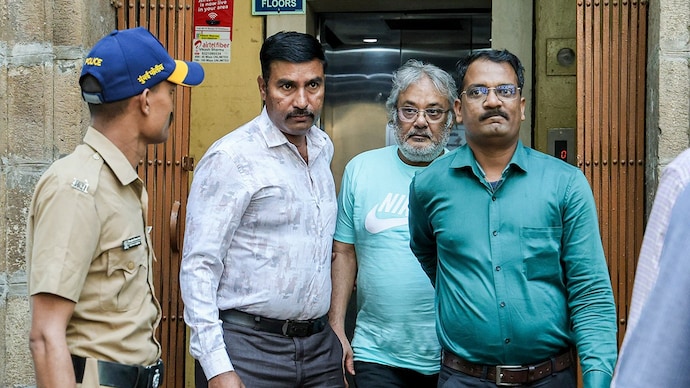
Salim Ismailbhai Dola, wanted in multiple narco-trafficking cases, was deported on April 28 following close coordination between Indian and Turkish agencies. A native of Mumbai, Dola is a prime accused in the Rs 1,000 crore fentanyl seizure case from 2018, with suspected links to international drug routes extending to Mexico. He is known to have operated alongside Iqbal Mirchi, a close associate of fugitive don Dawood.
Dola’s deportation is more than a law enforcement success; it reflects a pattern of functional cooperation between Turkey and India. After fleeing India in 2020, Dola shifted operations from Dubai to Istanbul in 2024. With a Red Corner Notice in place, Turkish authorities sought formal extradition documentation via diplomatic and Interpol channels, eventually blocking his attempt to secure citizenship under Turkey’s investment programme and deporting him.
A key official in the Indian security establishment underlined how this cooperation had come even as Turkey maintains political proximity with countries often at odds with Indian interests. “On the ground, security agencies on both sides appear to be sustaining a pragmatic working relationship on counterterrorism and sharing of intelligence,” the official said.
The development also fits into a wider pattern. In January 2019, Turkish authorities had deported Mishaal Kunhimon, an Indian national allegedly linked to the Indian Mujahideen and suspected ISIS networks. In 2015, at least two men from Tamil Nadu attempting to join ISIS were intercepted in Turkey and sent back, reflecting Ankara’s willingness to act against transnational terrorist movements involving Indian nationals.
Officials said this cooperation had been formalised institutionally. The fourth meeting of the India-Turkey Joint Working Group on Counter-Terrorism, held in Ankara in July 2019, provided a structured platform for sharing of intelligence on terror-funding, radicalisation and cross-border criminal syndicates—areas that directly intersect with cases like Dola’s.
India-Turkey ties continue to operate on parallel tracks. Ankara’s positions on issues such as Kashmir and its strategic alignment with Pakistan have periodically strained ties with New Delhi. However, the operational record suggests that counterterrorism and cooperation against organised crime remain insulated from political turbulence.
For India, facing the rising globalised nexus of terror-financing and narcotics-trafficking, such cooperation is critical. For Turkey, engagement with India within international policing frameworks signals a balancing act between geopolitical posturing and security imperatives.
The deportation of a high-value operative linked to one of India’s most-notorious organised crime syndicates, combined with a history of counterterror collaboration, reinforces a key takeaway: India-Turkey relations may be politically complex, but on security, they are quietly converging, driven by shared threats that transcend diplomatic divides.
Subscribe to India Today Magazine
Salim Ismailbhai Dola, wanted in multiple narco-trafficking cases, was deported on April 28 following close coordination between Indian and Turkish agencies. A native of Mumbai, Dola is a prime accused in the Rs 1,000 crore fentanyl seizure case from 2018, with suspected links to international drug routes extending to Mexico. He is known to have operated alongside Iqbal Mirchi, a close associate of fugitive don Dawood.
Dola’s deportation is more than a law enforcement success; it reflects a pattern of functional cooperation between Turkey and India. After fleeing India in 2020, Dola shifted operations from Dubai to Istanbul in 2024. With a Red Corner Notice in place, Turkish authorities sought formal extradition documentation via diplomatic and Interpol channels, eventually blocking his attempt to secure citizenship under Turkey’s investment programme and deporting him.
A key official in the Indian security establishment underlined how this cooperation had come even as Turkey maintains political proximity with countries often at odds with Indian interests. “On the ground, security agencies on both sides appear to be sustaining a pragmatic working relationship on counterterrorism and sharing of intelligence,” the official said.
The development also fits into a wider pattern. In January 2019, Turkish authorities had deported Mishaal Kunhimon, an Indian national allegedly linked to the Indian Mujahideen and suspected ISIS networks. In 2015, at least two men from Tamil Nadu attempting to join ISIS were intercepted in Turkey and sent back, reflecting Ankara’s willingness to act against transnational terrorist movements involving Indian nationals.
Officials said this cooperation had been formalised institutionally. The fourth meeting of the India-Turkey Joint Working Group on Counter-Terrorism, held in Ankara in July 2019, provided a structured platform for sharing of intelligence on terror-funding, radicalisation and cross-border criminal syndicates—areas that directly intersect with cases like Dola’s.
India-Turkey ties continue to operate on parallel tracks. Ankara’s positions on issues such as Kashmir and its strategic alignment with Pakistan have periodically strained ties with New Delhi. However, the operational record suggests that counterterrorism and cooperation against organised crime remain insulated from political turbulence.
For India, facing the rising globalised nexus of terror-financing and narcotics-trafficking, such cooperation is critical. For Turkey, engagement with India within international policing frameworks signals a balancing act between geopolitical posturing and security imperatives.
The deportation of a high-value operative linked to one of India’s most-notorious organised crime syndicates, combined with a history of counterterror collaboration, reinforces a key takeaway: India-Turkey relations may be politically complex, but on security, they are quietly converging, driven by shared threats that transcend diplomatic divides.
Subscribe to India Today Magazine

