Why partial cave-in of Bihar's Vikramshila bridge is total collapse of public trust
Setbacks to over a dozen Bihar bridges in the past two years reflect a systemic problem: infra is not maintained with the zeal it is created with
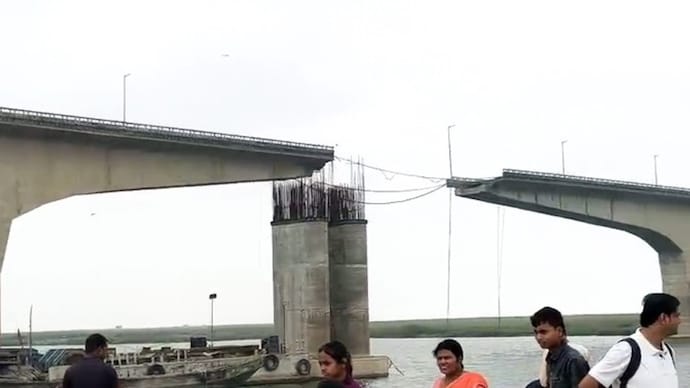
Bihar has witnessed several bridge collapses in recent years, and the sequence in such incidents is by now familiar. Late-night failure. Swift administrative response. Traffic diversion. Probe ordered. Engineers suspended. And then, the larger promise: repairs, reconstruction and normalcy.
Chief minister Samrat Choudhary has sought help from the Indian Army and Border Roads Organisation (BRO), signalling urgency. Officials have assured that the pillars remain intact and that the damage will be fixed within months. The administrative response, however, cannot hide the uncomfortable question: how did a critical bridge—a lifeline connecting southern Bihar to the Kosi and Seemanchal regions—reach a point where collapse became inevitable?
Built in 2001, the Vikramshila Setu has for over two decades carried the economic and social load of entire regions—Bhagalpur, Banka, Jharkhand on one side; Katihar, Purnea, Saharsa and Madhepura on the other. It is precisely the kind of infrastructure that demands constant vigilance. Yet, by official admission, warning signs had emerged weeks earlier.
In March, there were reports about a false wall beneath the bridge breaking, raising apprehensions about the integrity of the structure. The Bhagalpur administration had then allayed fears and promised a micro assessment. Teams were sent. Advice was sought. And still, a section of the bridge caved in.
The government acted quickly after the collapse, suspending two engineers for “ignoring red flags” and ordering a probe. But such actions often serve as administrative punctuation marks rather than meaningful accountability. The deeper issue is systemic: the culture of maintenance, inspection and responsibility in Bihar’s infrastructure ecosystem.
The Vikramshila Setu incident is not an isolated one. Over the past two years, more than a dozen bridges have partially or totally collapsed in the state. Some were under construction, others newly built, a few decades old. Each collapse came with its own explanation—design flaws, poor materials, heavy rains, river behaviour, contractor negligence. But taken together, they point to a pattern that cannot be coincidence.
The pattern is this: infrastructure is built but not maintained with the same seriousness. Red flags are noted but not acted upon with urgency. Responsibility is diffused across the road construction department, Bihar Rajya Pul Nirman Nigam, contractors and consultants. But when a collapse finally occurs, accountability narrows conveniently to a few suspended officials.
This cycle has deep consequences. For the public, a bridge is like a guarantee that the state can build, maintain and protect what it creates. When that breaks, it reshapes how citizens view governance itself. If a bridge can collapse despite warnings, what else is being overlooked? If routine inspections cannot prevent such failures, what confidence remains in systems meant to ensure safety?
The Vikramshila Setu was neither an under-construction project nor a newly inaugurated structure. It was an established, heavily used bridge. And yet, it failed in a manner that suggests not just wear and tear but lack of oversight.
The official explanation that the pillars are intact and only a span has collapsed offers technical reassurance. But for people, such distinctions matter little. What matters instead is that a broken bridge is now forcing longer alternative routes of travel, economic disruption and uncertainty.
There is also an emerging pattern in how Bihar responds to such crises: escalation to agencies outside the state. Seeking help from the army or BRO may expedite reconstruction, but it also raises questions about institutional capacity. What does emergency repair of infrastructure through external intervention say about the preparedness of the state’s own engineering and administrative machinery?
The answer, again, lies in systemic weakness. Bureaucrats and engineers occupy a critical position in this chain. They sign off on safety assessments, approve maintenance schedules and respond to early warnings. When concerns about the Vikramshila bridge were flagged, it was their responsibility to treat those as potential risk indicators. This is where accountability must be sharpened.
Suspending two engineers cannot be the end of the story. The investigation must examine the full chain of decision-making: who flagged the issue, who reviewed it, what recommendations were made, why those recommendations did not translate into preventive action, and who ultimately bears responsibility for the failure.
There is also the need to confront a more uncomfortable truth: infrastructure failures often persist because consequences are limited. Engineers may be transferred/suspended and, in some cases, reinstated quietly. Contractors may be blacklisted temporarily. Bureaucratic responsibility is diluted by hierarchy and process. Thus, the system absorbs failure without fundamentally changing.
That must change. If repeated bridge collapses over two years do not trigger a structural overhaul of inspection and accountability mechanisms, then the problem is institutional. Bihar does not lack engineering expertise. It lacks enforcement of standards, continuity in maintenance and a culture that treats warnings as urgent.
The Vikramshila Setu damage should have been preventable. And that is the most serious indictment. In the coming months, the bridge will likely be repaired. The immediate crisis will fade. But unless the state confronts the deeper issues of oversight, accountability and systemic neglect, the next collapse will not be a surprise but a continuation.
Subscribe to India Today Magazine
Bihar has witnessed several bridge collapses in recent years, and the sequence in such incidents is by now familiar. Late-night failure. Swift administrative response. Traffic diversion. Probe ordered. Engineers suspended. And then, the larger promise: repairs, reconstruction and normalcy.
Chief minister Samrat Choudhary has sought help from the Indian Army and Border Roads Organisation (BRO), signalling urgency. Officials have assured that the pillars remain intact and that the damage will be fixed within months. The administrative response, however, cannot hide the uncomfortable question: how did a critical bridge—a lifeline connecting southern Bihar to the Kosi and Seemanchal regions—reach a point where collapse became inevitable?
Built in 2001, the Vikramshila Setu has for over two decades carried the economic and social load of entire regions—Bhagalpur, Banka, Jharkhand on one side; Katihar, Purnea, Saharsa and Madhepura on the other. It is precisely the kind of infrastructure that demands constant vigilance. Yet, by official admission, warning signs had emerged weeks earlier.
In March, there were reports about a false wall beneath the bridge breaking, raising apprehensions about the integrity of the structure. The Bhagalpur administration had then allayed fears and promised a micro assessment. Teams were sent. Advice was sought. And still, a section of the bridge caved in.
The government acted quickly after the collapse, suspending two engineers for “ignoring red flags” and ordering a probe. But such actions often serve as administrative punctuation marks rather than meaningful accountability. The deeper issue is systemic: the culture of maintenance, inspection and responsibility in Bihar’s infrastructure ecosystem.
The Vikramshila Setu incident is not an isolated one. Over the past two years, more than a dozen bridges have partially or totally collapsed in the state. Some were under construction, others newly built, a few decades old. Each collapse came with its own explanation—design flaws, poor materials, heavy rains, river behaviour, contractor negligence. But taken together, they point to a pattern that cannot be coincidence.
The pattern is this: infrastructure is built but not maintained with the same seriousness. Red flags are noted but not acted upon with urgency. Responsibility is diffused across the road construction department, Bihar Rajya Pul Nirman Nigam, contractors and consultants. But when a collapse finally occurs, accountability narrows conveniently to a few suspended officials.
This cycle has deep consequences. For the public, a bridge is like a guarantee that the state can build, maintain and protect what it creates. When that breaks, it reshapes how citizens view governance itself. If a bridge can collapse despite warnings, what else is being overlooked? If routine inspections cannot prevent such failures, what confidence remains in systems meant to ensure safety?
The Vikramshila Setu was neither an under-construction project nor a newly inaugurated structure. It was an established, heavily used bridge. And yet, it failed in a manner that suggests not just wear and tear but lack of oversight.
The official explanation that the pillars are intact and only a span has collapsed offers technical reassurance. But for people, such distinctions matter little. What matters instead is that a broken bridge is now forcing longer alternative routes of travel, economic disruption and uncertainty.
There is also an emerging pattern in how Bihar responds to such crises: escalation to agencies outside the state. Seeking help from the army or BRO may expedite reconstruction, but it also raises questions about institutional capacity. What does emergency repair of infrastructure through external intervention say about the preparedness of the state’s own engineering and administrative machinery?
The answer, again, lies in systemic weakness. Bureaucrats and engineers occupy a critical position in this chain. They sign off on safety assessments, approve maintenance schedules and respond to early warnings. When concerns about the Vikramshila bridge were flagged, it was their responsibility to treat those as potential risk indicators. This is where accountability must be sharpened.
Suspending two engineers cannot be the end of the story. The investigation must examine the full chain of decision-making: who flagged the issue, who reviewed it, what recommendations were made, why those recommendations did not translate into preventive action, and who ultimately bears responsibility for the failure.
There is also the need to confront a more uncomfortable truth: infrastructure failures often persist because consequences are limited. Engineers may be transferred/suspended and, in some cases, reinstated quietly. Contractors may be blacklisted temporarily. Bureaucratic responsibility is diluted by hierarchy and process. Thus, the system absorbs failure without fundamentally changing.
That must change. If repeated bridge collapses over two years do not trigger a structural overhaul of inspection and accountability mechanisms, then the problem is institutional. Bihar does not lack engineering expertise. It lacks enforcement of standards, continuity in maintenance and a culture that treats warnings as urgent.
The Vikramshila Setu damage should have been preventable. And that is the most serious indictment. In the coming months, the bridge will likely be repaired. The immediate crisis will fade. But unless the state confronts the deeper issues of oversight, accountability and systemic neglect, the next collapse will not be a surprise but a continuation.
Subscribe to India Today Magazine

