Iran charging toll to let Indian ships transit Hormuz? What government said
The MEA's clarification came after Iranian state media reported three days ago that a parliamentary commission had approved a proposal to impose tolls on vessels transiting the Strait of Hormuz.
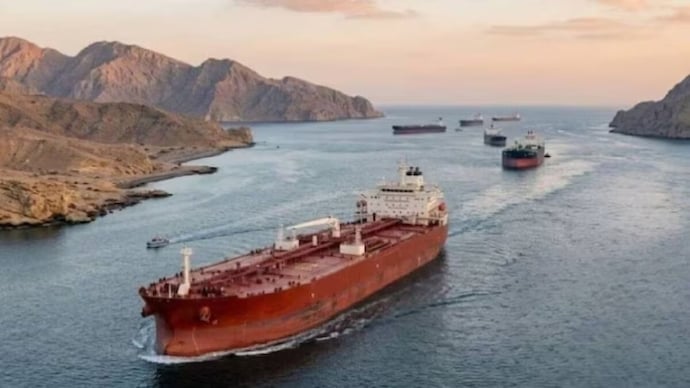
The Centre on Thursday clarified that there have been no discussions with Iran on imposing tolls on Indian ships passing through the Strait of Hormuz, pushing back against recent reports amid heightened tensions in West Asia. Responding to queries in Delhi, Ministry of External Affairs spokesperson Randhir Jaiswal said, “There has been no such discussion,” firmly dismissing speculation of any such arrangement.
The MEA's clarification comes days after Iranian state media reported that a parliamentary commission had approved a proposal to introduce tolls on vessels transiting the strategic waterway. The reported plan includes “financial arrangements and rial-based toll systems” aimed at asserting Iran’s sovereign role, along with possible coordination with Oman, which shares control of the strait. It also flagged potential restrictions on the United States and Israel, and provisions targeting countries imposing sanctions on Iran.
INDIA ENGAGED AS GLOBAL TALKS GATHER PACE
Even as it ruled out any toll-related talks, government said it remains closely engaged with stakeholders to safeguard its shipping interests. Jaiswal said New Delhi remains engaged with Iran and other countries in the region to ensure safe and uninterrupted movement of its vessels. “We are in touch with Iran and other countries there to see how best we can ensure unimpeded and safe transit for our ships carrying LPG, LNG and other products,” he said.
He added that six Indian ships have safely crossed the Strait of Hormuz in recent days. “We continue to remain engaged with relevant parties,” he said.
The MEA also said the United Kingdom has invited multiple countries, including India, for discussions on the situation in the Strait, with the Foreign Secretary attending the meeting.
The developments come against severe disruption in the Strait of Hormuz, one of the world’s most critical energy corridors that typically handles nearly a fifth of global crude oil and liquefied natural gas shipments.
Since the escalation of the conflict in West Asia, traffic through the route has plunged sharply, with maritime intelligence firm Kpler estimating a drop of around 95%. The disruption has raised concerns over global energy supplies and price volatility.
INDIA FLAGS SAFETY OF UN PEACEKEEPERS
At the same briefing, Jaiswal also underlined India’s long-standing role in United Nations peacekeeping operations, noting that around 600 Indian personnel are currently deployed with the United Nations Interim Force in Lebanon (UNIFIL).
“Our peacekeeping operations go back several decades. We are also the largest troop-contributing country to UN missions,” he said.
Referring to recent attacks on UNIFIL personnel, he added that India has condemned the incidents and stressed that “the invulnerability of UN missions must be ensured, and the safety and security of our peacekeepers must be guaranteed.”
The Centre on Thursday clarified that there have been no discussions with Iran on imposing tolls on Indian ships passing through the Strait of Hormuz, pushing back against recent reports amid heightened tensions in West Asia. Responding to queries in Delhi, Ministry of External Affairs spokesperson Randhir Jaiswal said, “There has been no such discussion,” firmly dismissing speculation of any such arrangement.
The MEA's clarification comes days after Iranian state media reported that a parliamentary commission had approved a proposal to introduce tolls on vessels transiting the strategic waterway. The reported plan includes “financial arrangements and rial-based toll systems” aimed at asserting Iran’s sovereign role, along with possible coordination with Oman, which shares control of the strait. It also flagged potential restrictions on the United States and Israel, and provisions targeting countries imposing sanctions on Iran.
INDIA ENGAGED AS GLOBAL TALKS GATHER PACE
Even as it ruled out any toll-related talks, government said it remains closely engaged with stakeholders to safeguard its shipping interests. Jaiswal said New Delhi remains engaged with Iran and other countries in the region to ensure safe and uninterrupted movement of its vessels. “We are in touch with Iran and other countries there to see how best we can ensure unimpeded and safe transit for our ships carrying LPG, LNG and other products,” he said.
He added that six Indian ships have safely crossed the Strait of Hormuz in recent days. “We continue to remain engaged with relevant parties,” he said.
The MEA also said the United Kingdom has invited multiple countries, including India, for discussions on the situation in the Strait, with the Foreign Secretary attending the meeting.
The developments come against severe disruption in the Strait of Hormuz, one of the world’s most critical energy corridors that typically handles nearly a fifth of global crude oil and liquefied natural gas shipments.
Since the escalation of the conflict in West Asia, traffic through the route has plunged sharply, with maritime intelligence firm Kpler estimating a drop of around 95%. The disruption has raised concerns over global energy supplies and price volatility.
INDIA FLAGS SAFETY OF UN PEACEKEEPERS
At the same briefing, Jaiswal also underlined India’s long-standing role in United Nations peacekeeping operations, noting that around 600 Indian personnel are currently deployed with the United Nations Interim Force in Lebanon (UNIFIL).
“Our peacekeeping operations go back several decades. We are also the largest troop-contributing country to UN missions,” he said.
Referring to recent attacks on UNIFIL personnel, he added that India has condemned the incidents and stressed that “the invulnerability of UN missions must be ensured, and the safety and security of our peacekeepers must be guaranteed.”

