Sabarimala plea should have been thrown in dustbin: CJI flags misuse of PILs
The court is reviewing its own 2018 verdict that had lifted the prohibition on women between the ages of 10 and 50 years from entering the Sabarimala temple in Kerala. The PIL was filed in 2006. During the latest hearing, the counsel for the original petitioner in the matter argued that the current reference case was sent to the nine-judge bench 'against the Supreme Court Rules.'
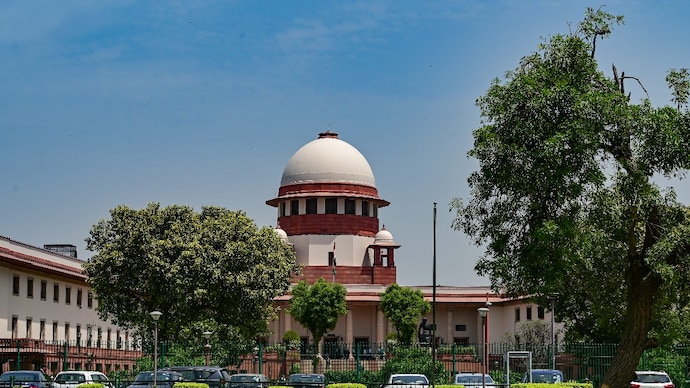
The nine-judge Constitutional bench of the Supreme Court hearing the Sabarimala reference case expressed a sharp rebuke over the misuse of PILs on Tuesday as a fiery exchange took place between the judges and the advocate appearing for the original petitioners in the matter. The court also said that the original petition in the matter should have been "thrown in the dustbin" at the very outset.
The court is reviewing its own 2018 verdict that had lifted the prohibition on women between the ages of 10 and 50 years from entering the Sabarimala temple in Kerala. During the latest hearing, advocate RK Gupta, appearing for the Indian Young Lawyers Association, argued that the current reference case was sent to the nine-judge bench "against the Supreme Court Rules".
He also pointed out that arguments on the merits of the facts of the matter had been placed before the current bench even though the reference had only been over certain questions of law. On the other hand, the bench questioned the locus standi of a lawyers' association, led by a Muslim man, filing a PIL concerning entry to a temple.
SUPREME COURT ASKS HOW THE PIL WAS ENTERTAINED
The bench, headed by Chief Justice of India Surya Kant, also comprises Justices B V Nagarathna, MM Sundresh, Ahsanuddin Amanullah, Aravind Kumar, Augustine George Masih, Prasanna B Varale, R Mahadevan and Joymalya Bagchi.
During the heated exchange, Justice Nagarathna questioned how such a petition was entertained at all by the Supreme Court. When Gupta submitted that the then-Chief Justice of India, Dipak Misra, not only entertained the petition but also ordered police protection for the petitioners, the bench remarked that the former CJI should have "thrown out the file".
Interestingly, RK Gupta, in his submissions, said that the petition had been filed on behalf of women members of the lawyers' association, and had been prompted by news reports regarding allegations that a temple priest had been found in a brothel with a prostitute.
The other issue of challenging the rules regarding temple entry also came up as part of the petition, which had challenged the rules regarding the administration of the temple too.
To this, CJI Surya Kant commented, "This kind of document should have been thrown out rightly in the dustbin... If there was some misconduct, the court should have ordered a trial... What was the locus to entertain a PIL in this case?? If the news item was about alleged misconduct by a priest, the court could have ordered a trial of that... How does the news item give you locus to file pil like this?"
BENCH SLAMS MISUSE OF PETITIONS
One of the issues before the nine-judge bench is defining the contours of PIL jurisdiction when it comes to religious practices. Justice Nagarathna also observed that PILs, instead of being "public interest litigations", have "now become publicity interest, personal interest, paisa interest and political interest litigations."
Gupta, however, argued that it was a decision by the former CJI to entertain the petition, and since it had gone through the two-, three-, and five-judge benches before reaching the current bench, the issue of maintainability and locus could not be raised at this stage.
He also argued that the contention that the judiciary and the state cannot interfere with religious practice was incorrect. "When the Sati pratha was being banned, this was the same argument made – that this is my religion. You cannot interfere... This is the tug of war that has been going on.. Civilisation has developed... What used to be accepted is no longer accepted," the advocate argued.
The nine-judge Constitutional bench of the Supreme Court hearing the Sabarimala reference case expressed a sharp rebuke over the misuse of PILs on Tuesday as a fiery exchange took place between the judges and the advocate appearing for the original petitioners in the matter. The court also said that the original petition in the matter should have been "thrown in the dustbin" at the very outset.
The court is reviewing its own 2018 verdict that had lifted the prohibition on women between the ages of 10 and 50 years from entering the Sabarimala temple in Kerala. During the latest hearing, advocate RK Gupta, appearing for the Indian Young Lawyers Association, argued that the current reference case was sent to the nine-judge bench "against the Supreme Court Rules".
He also pointed out that arguments on the merits of the facts of the matter had been placed before the current bench even though the reference had only been over certain questions of law. On the other hand, the bench questioned the locus standi of a lawyers' association, led by a Muslim man, filing a PIL concerning entry to a temple.
SUPREME COURT ASKS HOW THE PIL WAS ENTERTAINED
The bench, headed by Chief Justice of India Surya Kant, also comprises Justices B V Nagarathna, MM Sundresh, Ahsanuddin Amanullah, Aravind Kumar, Augustine George Masih, Prasanna B Varale, R Mahadevan and Joymalya Bagchi.
During the heated exchange, Justice Nagarathna questioned how such a petition was entertained at all by the Supreme Court. When Gupta submitted that the then-Chief Justice of India, Dipak Misra, not only entertained the petition but also ordered police protection for the petitioners, the bench remarked that the former CJI should have "thrown out the file".
Interestingly, RK Gupta, in his submissions, said that the petition had been filed on behalf of women members of the lawyers' association, and had been prompted by news reports regarding allegations that a temple priest had been found in a brothel with a prostitute.
The other issue of challenging the rules regarding temple entry also came up as part of the petition, which had challenged the rules regarding the administration of the temple too.
To this, CJI Surya Kant commented, "This kind of document should have been thrown out rightly in the dustbin... If there was some misconduct, the court should have ordered a trial... What was the locus to entertain a PIL in this case?? If the news item was about alleged misconduct by a priest, the court could have ordered a trial of that... How does the news item give you locus to file pil like this?"
BENCH SLAMS MISUSE OF PETITIONS
One of the issues before the nine-judge bench is defining the contours of PIL jurisdiction when it comes to religious practices. Justice Nagarathna also observed that PILs, instead of being "public interest litigations", have "now become publicity interest, personal interest, paisa interest and political interest litigations."
Gupta, however, argued that it was a decision by the former CJI to entertain the petition, and since it had gone through the two-, three-, and five-judge benches before reaching the current bench, the issue of maintainability and locus could not be raised at this stage.
He also argued that the contention that the judiciary and the state cannot interfere with religious practice was incorrect. "When the Sati pratha was being banned, this was the same argument made – that this is my religion. You cannot interfere... This is the tug of war that has been going on.. Civilisation has developed... What used to be accepted is no longer accepted," the advocate argued.

