Paneer vs tofu vs watermelon seed paneer: Which one is healthier?
Watermelon seed paneer is trending across social media as a plant-based alternative. But is it really healthier than traditional paneer or tofu?
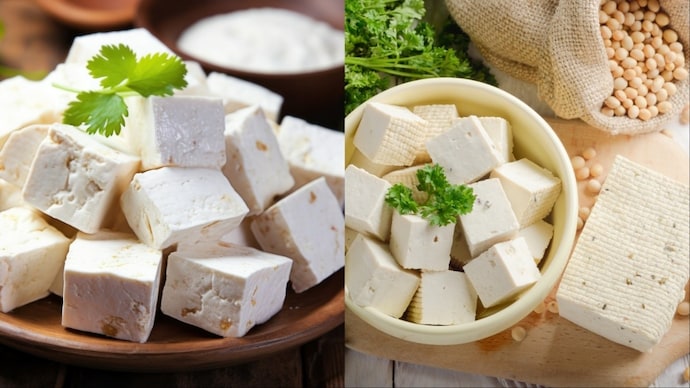
A new food trend is making waves online: paneer made from watermelon seeds. From Instagram Reels to cooking videos, many people are trying this dairy-free version at home and calling it a healthier alternative to traditional paneer and tofu. The idea sounds interesting, especially for those looking to switch to plant-based foods or reduce dairy intake.
Paneer has always been a staple in Indian kitchens. It is widely used in curries, snacks, and everyday meals. Tofu, on the other hand, has become a popular choice among people following vegetarian and vegan diets.
Now, watermelon seed paneer is being added to this list as a new option. But the big question remains, is it actually better for your health?
The answer is not so straightforward.
PROTEIN: WHO WINS?
Protein is one of the main reasons people include paneer or tofu in their diet. When compared, traditional paneer still provides the highest amount of protein per 100 grams. This makes it a strong choice for muscle building and recovery.
Tofu offers slightly less protein but is considered a complete protein. This means it contains all essential amino acids needed by the body, which is especially important for vegetarians.
Watermelon seed paneer falls somewhere in between. It provides some protein, but not as much as paneer, and it may not match the protein quality of tofu. This means it may not be the best option if your main goal is high protein intake.
FAT AND CALORIES: WHAT TO KNOW
Paneer is known to be high in saturated fat. While it is nutritious, it may not be ideal for people trying to lose weight or manage cholesterol levels.
Tofu is lower in fat and is often considered more heart-friendly. It is commonly preferred by people focusing on weight management or overall health.
Watermelon seed paneer contains fats that come from seeds. These are mostly unsaturated fats, which are considered healthier than saturated fats. However, it is still calorie-dense, so eating large portions may not be suitable for weight loss.
NUTRITIONAL VALUE: DIFFERENT BENEFITS
Each of these foods offers different nutrients.
Paneer is rich in calcium and vitamin B12, both of which are important, especially for vegetarians. Vitamin B12 is not easily available in plant-based foods, making paneer a valuable option.
Tofu supports heart health and provides nutrients like iron and calcium (if fortified). It is often seen as a balanced food choice.
Watermelon seed paneer contains healthy fats and minerals like magnesium and iron. It is also dairy-free and cholesterol-free. However, there is no strong evidence to suggest that it is nutritionally superior to paneer or tofu.
IS IT PRACTICAL?
While the trend looks appealing, there are some practical points to consider.
To get the same amount of protein as paneer, you may need a larger quantity of watermelon seeds. This can make it less efficient as a regular protein source. Also, the process of making it at home requires time and the right technique to get the texture right.
Many viral food trends often focus more on novelty than real health benefits. Watermelon seed paneer may be interesting to try, but it may not replace traditional options in everyday diets.
WHO CAN TRY IT?
Watermelon seed paneer could be a good option for:
People who are lactose intolerant
Those following a vegan diet
Anyone looking to add variety to their meals
People who want to include more plant-based fats and minerals
However, it should not be seen as a direct replacement for paneer or tofu, especially when it comes to protein.
There is no single “best” option between paneer, tofu, and watermelon seed paneer.
Paneer remains a strong choice for high protein and essential nutrients like calcium and vitamin B12. Tofu is a balanced, heart-friendly option suitable for many health goals.
Watermelon seed paneer is a good plant-based alternative, but it works better as an occasional addition rather than a main protein source.
Instead of choosing one over the other, it is better to include a mix of these foods in your diet based on your needs. The viral trend may be worth trying, but when it comes to health, balance matters more than hype.
A new food trend is making waves online: paneer made from watermelon seeds. From Instagram Reels to cooking videos, many people are trying this dairy-free version at home and calling it a healthier alternative to traditional paneer and tofu. The idea sounds interesting, especially for those looking to switch to plant-based foods or reduce dairy intake.
Paneer has always been a staple in Indian kitchens. It is widely used in curries, snacks, and everyday meals. Tofu, on the other hand, has become a popular choice among people following vegetarian and vegan diets.
Now, watermelon seed paneer is being added to this list as a new option. But the big question remains, is it actually better for your health?
The answer is not so straightforward.
PROTEIN: WHO WINS?
Protein is one of the main reasons people include paneer or tofu in their diet. When compared, traditional paneer still provides the highest amount of protein per 100 grams. This makes it a strong choice for muscle building and recovery.
Tofu offers slightly less protein but is considered a complete protein. This means it contains all essential amino acids needed by the body, which is especially important for vegetarians.
Watermelon seed paneer falls somewhere in between. It provides some protein, but not as much as paneer, and it may not match the protein quality of tofu. This means it may not be the best option if your main goal is high protein intake.
FAT AND CALORIES: WHAT TO KNOW
Paneer is known to be high in saturated fat. While it is nutritious, it may not be ideal for people trying to lose weight or manage cholesterol levels.
Tofu is lower in fat and is often considered more heart-friendly. It is commonly preferred by people focusing on weight management or overall health.
Watermelon seed paneer contains fats that come from seeds. These are mostly unsaturated fats, which are considered healthier than saturated fats. However, it is still calorie-dense, so eating large portions may not be suitable for weight loss.
NUTRITIONAL VALUE: DIFFERENT BENEFITS
Each of these foods offers different nutrients.
Paneer is rich in calcium and vitamin B12, both of which are important, especially for vegetarians. Vitamin B12 is not easily available in plant-based foods, making paneer a valuable option.
Tofu supports heart health and provides nutrients like iron and calcium (if fortified). It is often seen as a balanced food choice.
Watermelon seed paneer contains healthy fats and minerals like magnesium and iron. It is also dairy-free and cholesterol-free. However, there is no strong evidence to suggest that it is nutritionally superior to paneer or tofu.
IS IT PRACTICAL?
While the trend looks appealing, there are some practical points to consider.
To get the same amount of protein as paneer, you may need a larger quantity of watermelon seeds. This can make it less efficient as a regular protein source. Also, the process of making it at home requires time and the right technique to get the texture right.
Many viral food trends often focus more on novelty than real health benefits. Watermelon seed paneer may be interesting to try, but it may not replace traditional options in everyday diets.
WHO CAN TRY IT?
Watermelon seed paneer could be a good option for:
People who are lactose intolerant
Those following a vegan diet
Anyone looking to add variety to their meals
People who want to include more plant-based fats and minerals
However, it should not be seen as a direct replacement for paneer or tofu, especially when it comes to protein.
There is no single “best” option between paneer, tofu, and watermelon seed paneer.
Paneer remains a strong choice for high protein and essential nutrients like calcium and vitamin B12. Tofu is a balanced, heart-friendly option suitable for many health goals.
Watermelon seed paneer is a good plant-based alternative, but it works better as an occasional addition rather than a main protein source.
Instead of choosing one over the other, it is better to include a mix of these foods in your diet based on your needs. The viral trend may be worth trying, but when it comes to health, balance matters more than hype.

