'Tu gadha hai kya?' Why donkeys became a symbol of foolishness
On World Donkey Day 2026, the spotlight returns to one of the world's most hardworking yet overlooked animals. From carrying heavy loads in villages to supporting livelihoods in remote regions, donkeys continue to play a crucial role in human life. The day also raises awareness about donkey welfare, protection, and the need to end unfair stereotypes that label these intelligent animals as "dumb" or stubborn.
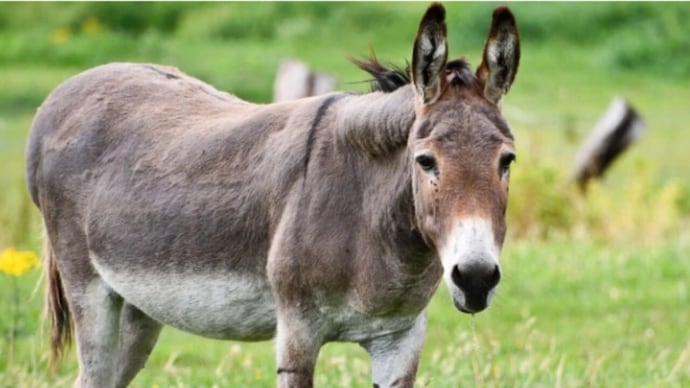
From classrooms to casual conversations, the phrase “tu gadha hai kya?” is one of the most commonly used insults in India. The word “gadha” (donkey) is often associated with foolishness, laziness, or lack of intelligence. But interestingly, donkeys are not actually dumb animals. The stereotype has more to do with cultural perceptions than scientific reality.
WHY DONKEYS BECAME SYMBOLS OF FOOLISHNESS
Despite playing a crucial role in farming, transport, and travel throughout human history, donkeys have long been mocked and unfairly seen as symbols of foolishness. According to Animal People Forum, the stereotype surrounding donkeys dates back thousands of years and was shaped more by human perception than by the animals’ actual intelligence.
Ancient societies often portrayed donkeys as slow, lazy, or unintelligent creatures. Greek poet Homer described donkeys as slow-moving animals, while ancient Roman culture commonly used the word “donkey” as an insult to people considered uneducated or poor learners. One well-known Roman phrase, roughly translating to “Should I teach you, donkey, how to read and write?” was reportedly used to mock students in schools.
Experts believe donkeys were misunderstood because of their cautious and independent behaviour. Unlike horses, donkeys tend to stop and assess situations carefully instead of reacting immediately under pressure.
This behaviour was often interpreted as stubbornness or lack of intelligence. In reality, animal experts say it reflects strong survival instincts and awareness of danger.
Because donkeys were harder to control and less obedient than some other working animals, humans gradually began associating them with foolishness and rebellion.
DONKEYS FACED PUNISHMENT AND MOCKERY
Historically, donkeys used for labour work were often subjected to harsh treatment when they refused commands or resisted overwork. Their rebellious image also influenced human culture and education systems.
In some older societies, children considered disobedient or slow learners were punished by being forced to wear donkey ears as a symbol of shame. This practice further strengthened the negative image of donkeys in popular culture.
Today, many animal behaviour experts argue that donkeys are highly intelligent animals with strong memory and problem-solving abilities. They can recognise people and places for years and are known for being emotionally aware and careful in risky situations.
Animal welfare groups are now working to challenge the old stereotypes and encourage people to respect donkeys for their resilience, intelligence, and contribution to human life.
DONKEYS ARE ACTUALLY INTELLIGENT ANIMALS
Animal experts say donkeys are far more intelligent than people assume. Unlike horses, donkeys are naturally cautious and prefer to stop and assess danger before reacting. This behaviour is often misunderstood as stubbornness or slowness.
Studies and animal behaviour experts suggest donkeys
Have excellent memory
Can recognise people and places for years
Show problem-solving abilities
Communicate effectively with other donkeys
Avoid risky situations carefully
Their calm nature is often mistaken for lack of intelligence.
HOW LANGUAGE AND CULTURE SHAPED THE INSULT
Many languages across the world use animal names as insults. In India, calling someone “gadha” became common in films, comedy, schools, and everyday speech.
The phrase survived because it was repeatedly linked with foolish behaviour in popular culture. Similar examples exist in other languages too, where animals are unfairly associated with negative traits.
DONKEYS PLAY AN IMPORTANT ROLE IN HUMAN LIFE
Despite the stereotype, donkeys continue to support millions of people around the world. In rural and mountainous regions, they help transport goods, water, farming tools, and construction materials.
Their strength, patience, and endurance make them valuable working animals in many communities.
WHY THE STEREOTYPE IS UNFAIR
Animal welfare groups and experts often point out that labelling donkeys as “dumb” ignores their intelligence and contribution. Donkeys are known for being careful, emotionally aware, and adaptable animals.
Many campaigns now encourage people to rethink such stereotypes and treat working animals with more respect.
The phrase “tu gadha hai kya?” may sound harmless or funny in casual conversations, but the belief behind it is largely based on myths and cultural stereotypes. In reality, donkeys are intelligent, hardworking, and resilient animals that deserve appreciation rather than ridicule.
From classrooms to casual conversations, the phrase “tu gadha hai kya?” is one of the most commonly used insults in India. The word “gadha” (donkey) is often associated with foolishness, laziness, or lack of intelligence. But interestingly, donkeys are not actually dumb animals. The stereotype has more to do with cultural perceptions than scientific reality.
WHY DONKEYS BECAME SYMBOLS OF FOOLISHNESS
Despite playing a crucial role in farming, transport, and travel throughout human history, donkeys have long been mocked and unfairly seen as symbols of foolishness. According to Animal People Forum, the stereotype surrounding donkeys dates back thousands of years and was shaped more by human perception than by the animals’ actual intelligence.
Ancient societies often portrayed donkeys as slow, lazy, or unintelligent creatures. Greek poet Homer described donkeys as slow-moving animals, while ancient Roman culture commonly used the word “donkey” as an insult to people considered uneducated or poor learners. One well-known Roman phrase, roughly translating to “Should I teach you, donkey, how to read and write?” was reportedly used to mock students in schools.
Experts believe donkeys were misunderstood because of their cautious and independent behaviour. Unlike horses, donkeys tend to stop and assess situations carefully instead of reacting immediately under pressure.
This behaviour was often interpreted as stubbornness or lack of intelligence. In reality, animal experts say it reflects strong survival instincts and awareness of danger.
Because donkeys were harder to control and less obedient than some other working animals, humans gradually began associating them with foolishness and rebellion.
DONKEYS FACED PUNISHMENT AND MOCKERY
Historically, donkeys used for labour work were often subjected to harsh treatment when they refused commands or resisted overwork. Their rebellious image also influenced human culture and education systems.
In some older societies, children considered disobedient or slow learners were punished by being forced to wear donkey ears as a symbol of shame. This practice further strengthened the negative image of donkeys in popular culture.
Today, many animal behaviour experts argue that donkeys are highly intelligent animals with strong memory and problem-solving abilities. They can recognise people and places for years and are known for being emotionally aware and careful in risky situations.
Animal welfare groups are now working to challenge the old stereotypes and encourage people to respect donkeys for their resilience, intelligence, and contribution to human life.
DONKEYS ARE ACTUALLY INTELLIGENT ANIMALS
Animal experts say donkeys are far more intelligent than people assume. Unlike horses, donkeys are naturally cautious and prefer to stop and assess danger before reacting. This behaviour is often misunderstood as stubbornness or slowness.
Studies and animal behaviour experts suggest donkeys
Have excellent memory
Can recognise people and places for years
Show problem-solving abilities
Communicate effectively with other donkeys
Avoid risky situations carefully
Their calm nature is often mistaken for lack of intelligence.
HOW LANGUAGE AND CULTURE SHAPED THE INSULT
Many languages across the world use animal names as insults. In India, calling someone “gadha” became common in films, comedy, schools, and everyday speech.
The phrase survived because it was repeatedly linked with foolish behaviour in popular culture. Similar examples exist in other languages too, where animals are unfairly associated with negative traits.
DONKEYS PLAY AN IMPORTANT ROLE IN HUMAN LIFE
Despite the stereotype, donkeys continue to support millions of people around the world. In rural and mountainous regions, they help transport goods, water, farming tools, and construction materials.
Their strength, patience, and endurance make them valuable working animals in many communities.
WHY THE STEREOTYPE IS UNFAIR
Animal welfare groups and experts often point out that labelling donkeys as “dumb” ignores their intelligence and contribution. Donkeys are known for being careful, emotionally aware, and adaptable animals.
Many campaigns now encourage people to rethink such stereotypes and treat working animals with more respect.
The phrase “tu gadha hai kya?” may sound harmless or funny in casual conversations, but the belief behind it is largely based on myths and cultural stereotypes. In reality, donkeys are intelligent, hardworking, and resilient animals that deserve appreciation rather than ridicule.

