Five Red Lights: Suzuka shockwaves raise big questions over F1's new era
Suzuka exposed early cracks in Formula 1's new era, from safety concerns to shifting team dynamics. With tensions rising and a break ahead, the season already feels at a defining crossroads.
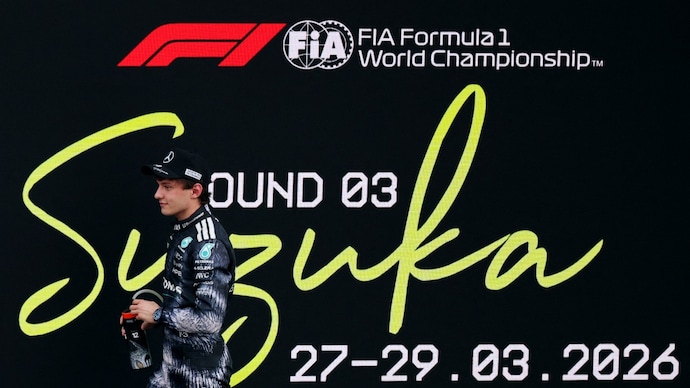
Barely three races into the new season, Formula 1 already finds itself at an inflection point. Suzuka delivered drama, discomfort and a few unsettling questions, not just about the pecking order but about the very direction of the sport under its new regulations.
For all the on-track action, the bigger story to emerge from the Japanese Grand Prix was the growing unease around the 2026 engine regulations. What was marketed as a progressive shift has, within weeks, begun to expose unintended consequences, both in safety and in how the racing unfolds.
The fallout has not been limited to engineers and strategists. Drivers, too, are beginning to voice their concerns more openly, with frustration simmering across the grid. From safety scares to competitive imbalance, the early phase of this regulation cycle has raised more questions than answers.
At the same time, the championship narrative is beginning to take shape in unexpected ways. A new contender is emerging at the top, established names are under pressure, and teams that looked out of the fight just weeks ago are slowly finding their rhythm.
All of this makes Suzuka feel less like just another race weekend and more like a checkpoint moment. One where the sport has been forced to take a hard look at itself, even as the season is only just getting underway.
BEARMAN CRASH RAISES SAFETY ALARM
It does not bode well for the sport when the biggest talking point from a compelling race is a high-impact crash involving one of its brightest young drivers.
Oliver Bearman’s 50G crash was not just dramatic, it was also a direct consequence of how the new regulations are shaping on-track behaviour. Franco Colapinto’s aggressive downshift and energy harvesting at the end of the straight led to sudden deceleration, catching Bearman off guard and forcing him into evasive action.
Watch the video here:
The result was a frightening collision that left his Haas heavily damaged, even as he walked away safely. The incident prompted several drivers to reiterate concerns that had already been raised about the new rules.
The FIA has indicated that it will look into tweaks to improve safety, but scepticism remains over how much can realistically be changed so early in a regulation cycle that was years in the making and crucial to attracting manufacturers like Audi, Ford, Cadillac and Honda.
HAS VERSTAPPEN REACHED BREAKING POINT?
Among the most vocal critics of the new era has been Max Verstappen.
The four-time world champion’s discomfort with the current regulations has been evident, but Suzuka seemed to mark a deeper shift. His frustrations spilled over in multiple moments across the weekend, from a tense interaction with media to pointed remarks after qualifying.
Finishing a subdued eighth at a circuit where he has traditionally excelled only added to the narrative of a driver increasingly disconnected from the sport.
There is now growing speculation over whether Verstappen could consider stepping away, at least temporarily. It would not be unprecedented. Champions like Fernando Alonso and Kimi Räikknen have taken breaks in the past before returning rejuvenated.
Interestingly, Verstappen appeared far more at ease during his outing at the Nrburgring endurance race the previous week, raising further questions about what lies ahead for one of the sport’s defining figures.
ANTONELLI STEPS OUT OF RUSSELL’S SHADOW
If Suzuka revealed discomfort at the top, it also highlighted a shift within Mercedes-AMG Petronas.
Kimi Antonelli has now firmly emerged as more than just a promising rookie. Back-to-back wins and a confident celebration in Japan underlined his growing authority, as he became the youngest driver to lead the championship standings.
The contrast with George Russell was striking. While Antonelli surged, Russell endured a difficult race shaped by a poorly timed safety car and engine deployment issues.
The dynamic within Mercedes is shifting quickly. What once looked like a clear hierarchy now appears far more competitive, with Antonelli no longer content to play a supporting role.
McLAREN EMERGE AS MERCEDES’ REAL CHALLENGE
Suzuka also marked the arrival of McLaren as a genuine contender this season.
After a slow start, the defending champions showed clear signs of progress, with Oscar Piastri securing a strong second-place finish. The performance suggested that McLaren’s development curve is beginning to trend upwards.
For Mercedes, this adds a new layer of complexity. The silver cars looked less comfortable in traffic, and the presence of both McLaren and Ferrari in the fight meant that even a slightly off race could cost valuable positions.
With Lando Norris alongside Piastri and a proven ability to develop their car through the season, McLaren could emerge as a more sustained threat than Ferrari in the long run.
SPRING BREAK OFFERS LIFELINE FOR STRUGGLERS
The unexpected pause in the calendar may feel ill-timed for fans, but it could prove crucial for several teams.
With races in Bahrain and Saudi Arabia cancelled, the schedule now opens up significantly, leaving just one race over the next eight weeks. For teams that have struggled early, this break offers a valuable window to regroup.
Outfits like Williams, Aston Martin and newcomers Cadillac can use the time to analyse data and close the gap to the midfield.
At the same time, teams like McLaren, Ferrari and even Red Bull will be looking to refine their packages and mount a stronger challenge when the season resumes.
The pause may have come unexpectedly, but when Formula 1 returns, the competitive order could look very different.
Barely three races into the new season, Formula 1 already finds itself at an inflection point. Suzuka delivered drama, discomfort and a few unsettling questions, not just about the pecking order but about the very direction of the sport under its new regulations.
For all the on-track action, the bigger story to emerge from the Japanese Grand Prix was the growing unease around the 2026 engine regulations. What was marketed as a progressive shift has, within weeks, begun to expose unintended consequences, both in safety and in how the racing unfolds.
The fallout has not been limited to engineers and strategists. Drivers, too, are beginning to voice their concerns more openly, with frustration simmering across the grid. From safety scares to competitive imbalance, the early phase of this regulation cycle has raised more questions than answers.
At the same time, the championship narrative is beginning to take shape in unexpected ways. A new contender is emerging at the top, established names are under pressure, and teams that looked out of the fight just weeks ago are slowly finding their rhythm.
All of this makes Suzuka feel less like just another race weekend and more like a checkpoint moment. One where the sport has been forced to take a hard look at itself, even as the season is only just getting underway.
BEARMAN CRASH RAISES SAFETY ALARM
It does not bode well for the sport when the biggest talking point from a compelling race is a high-impact crash involving one of its brightest young drivers.
Oliver Bearman’s 50G crash was not just dramatic, it was also a direct consequence of how the new regulations are shaping on-track behaviour. Franco Colapinto’s aggressive downshift and energy harvesting at the end of the straight led to sudden deceleration, catching Bearman off guard and forcing him into evasive action.
Watch the video here:
The result was a frightening collision that left his Haas heavily damaged, even as he walked away safely. The incident prompted several drivers to reiterate concerns that had already been raised about the new rules.
The FIA has indicated that it will look into tweaks to improve safety, but scepticism remains over how much can realistically be changed so early in a regulation cycle that was years in the making and crucial to attracting manufacturers like Audi, Ford, Cadillac and Honda.
HAS VERSTAPPEN REACHED BREAKING POINT?
Among the most vocal critics of the new era has been Max Verstappen.
The four-time world champion’s discomfort with the current regulations has been evident, but Suzuka seemed to mark a deeper shift. His frustrations spilled over in multiple moments across the weekend, from a tense interaction with media to pointed remarks after qualifying.
Finishing a subdued eighth at a circuit where he has traditionally excelled only added to the narrative of a driver increasingly disconnected from the sport.
There is now growing speculation over whether Verstappen could consider stepping away, at least temporarily. It would not be unprecedented. Champions like Fernando Alonso and Kimi Räikknen have taken breaks in the past before returning rejuvenated.
Interestingly, Verstappen appeared far more at ease during his outing at the Nrburgring endurance race the previous week, raising further questions about what lies ahead for one of the sport’s defining figures.
ANTONELLI STEPS OUT OF RUSSELL’S SHADOW
If Suzuka revealed discomfort at the top, it also highlighted a shift within Mercedes-AMG Petronas.
Kimi Antonelli has now firmly emerged as more than just a promising rookie. Back-to-back wins and a confident celebration in Japan underlined his growing authority, as he became the youngest driver to lead the championship standings.
The contrast with George Russell was striking. While Antonelli surged, Russell endured a difficult race shaped by a poorly timed safety car and engine deployment issues.
The dynamic within Mercedes is shifting quickly. What once looked like a clear hierarchy now appears far more competitive, with Antonelli no longer content to play a supporting role.
McLAREN EMERGE AS MERCEDES’ REAL CHALLENGE
Suzuka also marked the arrival of McLaren as a genuine contender this season.
After a slow start, the defending champions showed clear signs of progress, with Oscar Piastri securing a strong second-place finish. The performance suggested that McLaren’s development curve is beginning to trend upwards.
For Mercedes, this adds a new layer of complexity. The silver cars looked less comfortable in traffic, and the presence of both McLaren and Ferrari in the fight meant that even a slightly off race could cost valuable positions.
With Lando Norris alongside Piastri and a proven ability to develop their car through the season, McLaren could emerge as a more sustained threat than Ferrari in the long run.
SPRING BREAK OFFERS LIFELINE FOR STRUGGLERS
The unexpected pause in the calendar may feel ill-timed for fans, but it could prove crucial for several teams.
With races in Bahrain and Saudi Arabia cancelled, the schedule now opens up significantly, leaving just one race over the next eight weeks. For teams that have struggled early, this break offers a valuable window to regroup.
Outfits like Williams, Aston Martin and newcomers Cadillac can use the time to analyse data and close the gap to the midfield.
At the same time, teams like McLaren, Ferrari and even Red Bull will be looking to refine their packages and mount a stronger challenge when the season resumes.
The pause may have come unexpectedly, but when Formula 1 returns, the competitive order could look very different.

