UK twins discover they have different fathers in rare DNA case
Michelle and Lavinia Osbourne, 49, born minutes apart in Nottingham in 1976, learnt the truth through at-home DNA tests taken decades later.
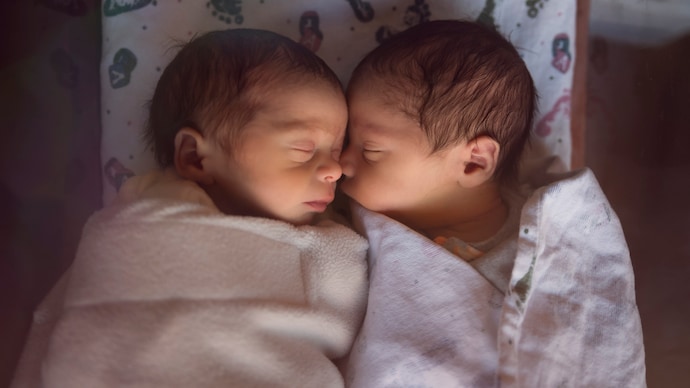
A pair of twins in the UK discovered in their late 40s that they do not share the same father, a rare biological phenomenon documented in only a handful of cases worldwide, according to a report by the BBC.
Michelle and Lavinia Osbourne, 49, born minutes apart in Nottingham in 1976, learnt the truth through at-home DNA tests taken decades later. The results revealed that while they share the same mother, they are in fact half-sisters - conceived through an extremely uncommon process known as heteropaternal superfecundation.
The condition occurs when a woman releases more than one egg during a cycle and each is fertilised by sperm from different men. Fewer than two dozen such cases have been identified globally, and the twins are believed to be the only documented instance in the UK, BBC reports.
Lavinia said she felt a sense of unease even before opening her test results in September 2022.
“Maybe subconsciously I knew,” Lavinia told the BBC. When the findings confirmed the twins had different fathers, the revelation left her shaken. She described Michelle as the one constant in an otherwise unstable childhood, saying, “She was the one thing that belonged to me, and then she wasn’t.”
Michelle, however, said she was less surprised by the outcome. “I wasn’t surprised. It’s super weird, super odd, super rare – but it makes sense,” she told the BBC, referring to the discovery.
The sisters grew up in difficult circumstances, often moving between carers while their mother, who had experienced abuse and instability herself, struggled to provide a consistent home. For much of their early lives, they relied primarily on each other for support.
Questions around their father had lingered since childhood. Their mother had identified a man named James, who was largely absent. Years later, Michelle began to question that claim after seeing his photograph and noticing a lack of resemblance.
Her suspicions increased when a DNA test showed no link to him. Further investigation led her to identify her biological father as a man named Alex, whom she later met. Despite recognising a physical resemblance, she said she did not feel a lasting connection and only sought clarity about her origins.
Lavinia, initially reluctant, took a DNA test to confirm Michelle’s findings. The results not only showed that Alex was not her father, but also that she had a different biological parent altogether. Michelle eventually traced Lavinia’s father, Arthur, and the sisters met him in London.
Lavinia said she formed a bond with Arthur soon after and now meets him regularly, describing the relationship as a sense of belonging she had long been missing. Arthur also welcomed Michelle, telling her she could consider him a father figure as well.
The twins’ mother, who died the same day Michelle received her DNA results, is no longer able to explain the circumstances surrounding their conception. Arthur told the BBC that she had come to him distressed and seeking safety at the time.
Despite the revelations, both sisters say their relationship remains intact. While the discovery initially amplified their differences, they emphasised that their shared experiences and upbringing continue to define their connection.
Michelle said nothing could change the fact that they are twins, while Lavinia described their bond as unbreakable.
A pair of twins in the UK discovered in their late 40s that they do not share the same father, a rare biological phenomenon documented in only a handful of cases worldwide, according to a report by the BBC.
Michelle and Lavinia Osbourne, 49, born minutes apart in Nottingham in 1976, learnt the truth through at-home DNA tests taken decades later. The results revealed that while they share the same mother, they are in fact half-sisters - conceived through an extremely uncommon process known as heteropaternal superfecundation.
The condition occurs when a woman releases more than one egg during a cycle and each is fertilised by sperm from different men. Fewer than two dozen such cases have been identified globally, and the twins are believed to be the only documented instance in the UK, BBC reports.
Lavinia said she felt a sense of unease even before opening her test results in September 2022.
“Maybe subconsciously I knew,” Lavinia told the BBC. When the findings confirmed the twins had different fathers, the revelation left her shaken. She described Michelle as the one constant in an otherwise unstable childhood, saying, “She was the one thing that belonged to me, and then she wasn’t.”
Michelle, however, said she was less surprised by the outcome. “I wasn’t surprised. It’s super weird, super odd, super rare – but it makes sense,” she told the BBC, referring to the discovery.
The sisters grew up in difficult circumstances, often moving between carers while their mother, who had experienced abuse and instability herself, struggled to provide a consistent home. For much of their early lives, they relied primarily on each other for support.
Questions around their father had lingered since childhood. Their mother had identified a man named James, who was largely absent. Years later, Michelle began to question that claim after seeing his photograph and noticing a lack of resemblance.
Her suspicions increased when a DNA test showed no link to him. Further investigation led her to identify her biological father as a man named Alex, whom she later met. Despite recognising a physical resemblance, she said she did not feel a lasting connection and only sought clarity about her origins.
Lavinia, initially reluctant, took a DNA test to confirm Michelle’s findings. The results not only showed that Alex was not her father, but also that she had a different biological parent altogether. Michelle eventually traced Lavinia’s father, Arthur, and the sisters met him in London.
Lavinia said she formed a bond with Arthur soon after and now meets him regularly, describing the relationship as a sense of belonging she had long been missing. Arthur also welcomed Michelle, telling her she could consider him a father figure as well.
The twins’ mother, who died the same day Michelle received her DNA results, is no longer able to explain the circumstances surrounding their conception. Arthur told the BBC that she had come to him distressed and seeking safety at the time.
Despite the revelations, both sisters say their relationship remains intact. While the discovery initially amplified their differences, they emphasised that their shared experiences and upbringing continue to define their connection.
Michelle said nothing could change the fact that they are twins, while Lavinia described their bond as unbreakable.

