Trump puts a face to Iran talks, says US negotiating with parliamentary speaker
The US President said Washington would soon determine whether Iran's Parliament Speaker Mohammad Bagher Ghalibaf is willing to engage with the administration.
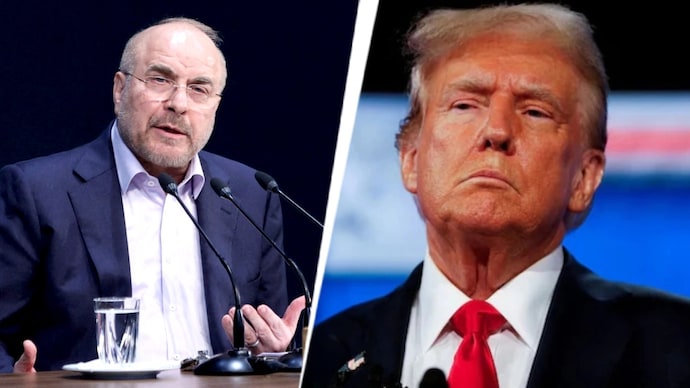
Washington has been talking about ongoing negotiations with Iran for weeks, while keeping who they’re speaking to under wraps. For the first time, US President Donald Trump has put a name on it. The US President said the United States would soon determine whether Iran’s Parliament Speaker Mohammad Bagher Ghalibaf is willing to engage with Washington.
"We’re gonna find out," Trump told the New York Post. "I’ll let you know that in about a week."
Trump's remarks came after Iran targeted key energy infrastructure, including an Israeli oil refinery, in an escalation of the ongoing conflict. Asked about his response, Trump told the NYP: "You’ll see shortly."
Iran’s Parliament Speaker Mohammad Baqer Qalibaf had warned that Tehran will not back down, declaring that the ongoing war "will not end without victory." He also rejected any possibility of surrender.
NEW SET OF PEOPLE MORE REASONABLE, SAYS TRUMP
Trump claimed there had been a significant internal shift in Iran’s leadership. "There has been total regime change because the regimes of the past are gone and we’re dealing with a whole new set of people," he said adding that the new figures are "much more reasonable."
Pressed on whether these were different from past US adversaries, he said: "Pretty much The other people are all dead."
Trump also raised questions about the condition of Mojtaba Khamenei, saying the Iran's new supreme leader has not been seen publicly. "Nobody’s heard from him," Trump told the Post. "We think probably yes, but in extraordinarily bad shape."
DEAL OR OBLITERATION
Earlier, Trump said the United States was in "serious discussions" with a "more reasonable regime" in Iran, while warning of sweeping strikes if talks fail.
In a post on Truth Social, Trump said "great progress" had been made and a deal was likely. However, he cautioned that if an agreement is not reached soon -- and if the Strait of Hormuz is not "immediately 'open for business'" -- the US could "completely obliterate" Iran’s electric plants, oil wells and Kharg Island.
He added that desalination facilities supplying clean water could also be targeted, noting they had "purposefully not yet (been) touched," and framed the threat as "retribution" for US personnel killed over Iran’s previous regime’s 47-year "reign of terror."
Trump had earlier said Washington would pause attacks on Iran’s energy infrastructure for 10 days, a window running until April 6.
Tehran, however, has denied any direct talks with Washington. Iran’s parliament speaker Mohammad Bagher Ghalibaf dismissed proposed diplomatic efforts -- including those reportedly linked to Pakistan, as a cover for a US troop build-up, while Pakistan’s Foreign Minister Ishaq Dar said talks could take place in the coming days.
Washington has been talking about ongoing negotiations with Iran for weeks, while keeping who they’re speaking to under wraps. For the first time, US President Donald Trump has put a name on it. The US President said the United States would soon determine whether Iran’s Parliament Speaker Mohammad Bagher Ghalibaf is willing to engage with Washington.
"We’re gonna find out," Trump told the New York Post. "I’ll let you know that in about a week."
Trump's remarks came after Iran targeted key energy infrastructure, including an Israeli oil refinery, in an escalation of the ongoing conflict. Asked about his response, Trump told the NYP: "You’ll see shortly."
Iran’s Parliament Speaker Mohammad Baqer Qalibaf had warned that Tehran will not back down, declaring that the ongoing war "will not end without victory." He also rejected any possibility of surrender.
NEW SET OF PEOPLE MORE REASONABLE, SAYS TRUMP
Trump claimed there had been a significant internal shift in Iran’s leadership. "There has been total regime change because the regimes of the past are gone and we’re dealing with a whole new set of people," he said adding that the new figures are "much more reasonable."
Pressed on whether these were different from past US adversaries, he said: "Pretty much The other people are all dead."
Trump also raised questions about the condition of Mojtaba Khamenei, saying the Iran's new supreme leader has not been seen publicly. "Nobody’s heard from him," Trump told the Post. "We think probably yes, but in extraordinarily bad shape."
DEAL OR OBLITERATION
Earlier, Trump said the United States was in "serious discussions" with a "more reasonable regime" in Iran, while warning of sweeping strikes if talks fail.
In a post on Truth Social, Trump said "great progress" had been made and a deal was likely. However, he cautioned that if an agreement is not reached soon -- and if the Strait of Hormuz is not "immediately 'open for business'" -- the US could "completely obliterate" Iran’s electric plants, oil wells and Kharg Island.
He added that desalination facilities supplying clean water could also be targeted, noting they had "purposefully not yet (been) touched," and framed the threat as "retribution" for US personnel killed over Iran’s previous regime’s 47-year "reign of terror."
Trump had earlier said Washington would pause attacks on Iran’s energy infrastructure for 10 days, a window running until April 6.
Tehran, however, has denied any direct talks with Washington. Iran’s parliament speaker Mohammad Bagher Ghalibaf dismissed proposed diplomatic efforts -- including those reportedly linked to Pakistan, as a cover for a US troop build-up, while Pakistan’s Foreign Minister Ishaq Dar said talks could take place in the coming days.

