Lebanon alleges ceasefire breach after Israel bombs towns, Hezbollah retaliates
Hezbollah described the strike as being carried out "in defence of Lebanon and its people," alleging it was a response to repeated Israeli violations of the ceasefire and continued attacks on southern Lebanese villages.
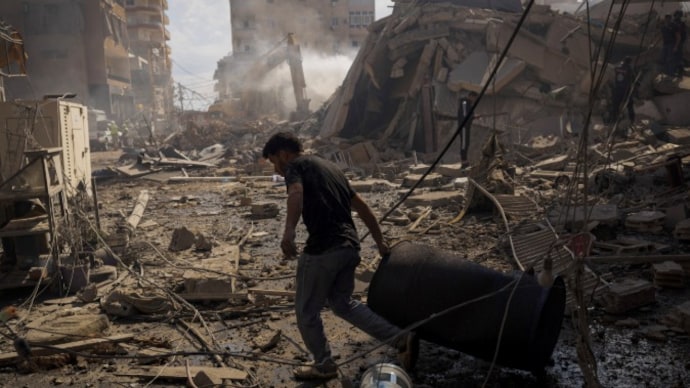
Tensions escalated along the Israel-Lebanon border today after Lebanon accused Israel of breaching a ceasefire by carrying out airstrikes on towns in the country’s south, prompting a retaliatory response from Hezbollah.
In a statement, the Iran-backed Lebanese militant group said it launched a rocket attack targeting the Israeli settlement of Misgav Am at around 8 am.
Hezbollah described the strike as being carried out “in defence of Lebanon and its people,” alleging it was a response to repeated Israeli violations of the ceasefire and continued attacks on southern Lebanese villages.
Hezbollah further claimed that this was its second strike on the same target and warned that it would continue operations as long as Israeli actions against Lebanon persist.
There was no immediate official response from Israel on the claims.
Meanwhile, a senior Lebanese official has said that a ceasefire remains a precondition for any further negotiations, indicating Beirut’s firm stance amid rising tensions.
Speaking to Reuters, the official added that Lebanon intends to participate in a meeting in Washington next week, where discussions are expected to focus on finalising and formally announcing a ceasefire.
The latest escalation comes as the US struggles to hold together the fragile two-week ceasefire with Iran ahead of high-stakes talks aimed at ending the wider West Asia conflict.
Just a day earlier, US President Donald Trump said he had personally urged Israeli Prime Minister Benjamin Netanyahu to scale back strikes on Lebanon, signalling concern over rising tensions.
Netanyahu, however, indicated a parallel diplomatic push, saying that Israel would begin negotiations with Lebanon “as soon as possible,” with a focus on disarming Hezbollah and working towards a comprehensive peace agreement.
The developments highlight growing strain on the already tenuous ceasefire framework between Washington and Tehran.
A major sticking point remains whether Lebanon falls within the scope of the truce—while Trump and Netanyahu maintain it does not, Iran has insisted that it does.
Tensions escalated along the Israel-Lebanon border today after Lebanon accused Israel of breaching a ceasefire by carrying out airstrikes on towns in the country’s south, prompting a retaliatory response from Hezbollah.
In a statement, the Iran-backed Lebanese militant group said it launched a rocket attack targeting the Israeli settlement of Misgav Am at around 8 am.
Hezbollah described the strike as being carried out “in defence of Lebanon and its people,” alleging it was a response to repeated Israeli violations of the ceasefire and continued attacks on southern Lebanese villages.
Hezbollah further claimed that this was its second strike on the same target and warned that it would continue operations as long as Israeli actions against Lebanon persist.
There was no immediate official response from Israel on the claims.
Meanwhile, a senior Lebanese official has said that a ceasefire remains a precondition for any further negotiations, indicating Beirut’s firm stance amid rising tensions.
Speaking to Reuters, the official added that Lebanon intends to participate in a meeting in Washington next week, where discussions are expected to focus on finalising and formally announcing a ceasefire.
The latest escalation comes as the US struggles to hold together the fragile two-week ceasefire with Iran ahead of high-stakes talks aimed at ending the wider West Asia conflict.
Just a day earlier, US President Donald Trump said he had personally urged Israeli Prime Minister Benjamin Netanyahu to scale back strikes on Lebanon, signalling concern over rising tensions.
Netanyahu, however, indicated a parallel diplomatic push, saying that Israel would begin negotiations with Lebanon “as soon as possible,” with a focus on disarming Hezbollah and working towards a comprehensive peace agreement.
The developments highlight growing strain on the already tenuous ceasefire framework between Washington and Tehran.
A major sticking point remains whether Lebanon falls within the scope of the truce—while Trump and Netanyahu maintain it does not, Iran has insisted that it does.

