US asked Netanyahu to go 'low-key' on bombarding Lebanon, Trump confirms
Trump urges Netanyahu to curb Lebanon strikes as Israel signals peace talks, but ongoing attacks, Hezbollah demands and ceasefire disputes threaten the fragile US-Iran truce ahead of Pakistan negotiations this week.
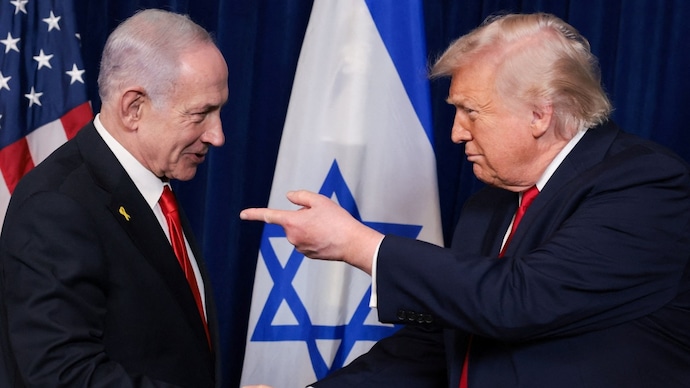
US President Donald Trump said he personally urged Israeli Prime Minister Benjamin Netanyahu to scale back strikes on Lebanon, as Washington tries to hold together a fragile ceasefire with Iran ahead of high-stakes talks.
“I spoke with Bibi and he’s going to low-key it. I just think we have to be sort of a little more low-key,” Trump told NBC News in a phone interview, confirming he made the request during a call a day earlier.
The intervention comes as Israeli strikes in Lebanon intensify, with Lebanese authorities reporting more than 300 people killed. While Israel says most of those targeted were Hezbollah operatives, footage from the ground shows civilians, including women and children, among the casualties.
US Vice President JD Vance struck a similar note, saying Israel had agreed to “check itself” in Lebanon to avoid derailing negotiations with Iran. But developments on the ground suggest limited restraint so far, with the Israeli military announcing fresh airstrikes targeting Hezbollah rocket-launching sites.
Trump said he remains very optimistic about the chances of a long-term deal with Iran, even as Tehran has warned it could walk away from upcoming talks in Pakistan if the bombing in Lebanon continues.
“Iran’s leaders talk much differently when you’re at a meeting than they do to the press. They’re much more reasonable,” Trump said. “They’re agreeing to all the things that they have to agree to.”
He also issued a stark warning about the consequences of failure. “If they don’t make a deal, it’s going to be very painful,” he told NBC News.
ISRAEL SIGNALS TALKS
Even as the US pushes for restraint, Netanyahu signalled a parallel diplomatic track, saying Israel would begin negotiations with Lebanon “as soon as possible,” with a focus on disarming Hezbollah and reaching a full peace agreement.
“In light of Lebanon’s repeated appeals I instructed the cabinet to begin direct negotiations with Lebanon as soon as possible,” Netanyahu said, adding the talks would aim at “disarming Hezbollah and establishing peaceful relations.”
In a later message, he described the possibility of a “historic and sustainable peace agreement.” But he also made clear there would be no pause in military action. “There is no ceasefire in Lebanon,” Netanyahu said, stressing that Israel was “continuing to strike Hezbollah with great force” and would “not stop until we restore your security.”
The announcement came a day after Israel carried out one of its deadliest waves of airstrikes on Lebanon since the current conflict began.
CEASEFIRE UNDER STRAIN
The developments underscore growing strain on the already fragile ceasefire between the US and Iran. A key point of contention remains whether Lebanon is covered under the truce. While Trump and Netanyahu say it is not, Iran has insisted it is.
With talks set to take place in Pakistan, the coming days are likely to determine whether diplomacy gains ground — or whether the region slides back toward escalation.
US President Donald Trump said he personally urged Israeli Prime Minister Benjamin Netanyahu to scale back strikes on Lebanon, as Washington tries to hold together a fragile ceasefire with Iran ahead of high-stakes talks.
“I spoke with Bibi and he’s going to low-key it. I just think we have to be sort of a little more low-key,” Trump told NBC News in a phone interview, confirming he made the request during a call a day earlier.
The intervention comes as Israeli strikes in Lebanon intensify, with Lebanese authorities reporting more than 300 people killed. While Israel says most of those targeted were Hezbollah operatives, footage from the ground shows civilians, including women and children, among the casualties.
US Vice President JD Vance struck a similar note, saying Israel had agreed to “check itself” in Lebanon to avoid derailing negotiations with Iran. But developments on the ground suggest limited restraint so far, with the Israeli military announcing fresh airstrikes targeting Hezbollah rocket-launching sites.
Trump said he remains very optimistic about the chances of a long-term deal with Iran, even as Tehran has warned it could walk away from upcoming talks in Pakistan if the bombing in Lebanon continues.
“Iran’s leaders talk much differently when you’re at a meeting than they do to the press. They’re much more reasonable,” Trump said. “They’re agreeing to all the things that they have to agree to.”
He also issued a stark warning about the consequences of failure. “If they don’t make a deal, it’s going to be very painful,” he told NBC News.
ISRAEL SIGNALS TALKS
Even as the US pushes for restraint, Netanyahu signalled a parallel diplomatic track, saying Israel would begin negotiations with Lebanon “as soon as possible,” with a focus on disarming Hezbollah and reaching a full peace agreement.
“In light of Lebanon’s repeated appeals I instructed the cabinet to begin direct negotiations with Lebanon as soon as possible,” Netanyahu said, adding the talks would aim at “disarming Hezbollah and establishing peaceful relations.”
In a later message, he described the possibility of a “historic and sustainable peace agreement.” But he also made clear there would be no pause in military action. “There is no ceasefire in Lebanon,” Netanyahu said, stressing that Israel was “continuing to strike Hezbollah with great force” and would “not stop until we restore your security.”
The announcement came a day after Israel carried out one of its deadliest waves of airstrikes on Lebanon since the current conflict began.
CEASEFIRE UNDER STRAIN
The developments underscore growing strain on the already fragile ceasefire between the US and Iran. A key point of contention remains whether Lebanon is covered under the truce. While Trump and Netanyahu say it is not, Iran has insisted it is.
With talks set to take place in Pakistan, the coming days are likely to determine whether diplomacy gains ground — or whether the region slides back toward escalation.

