
Jet fuel price hiked: Will your flight tickets cost more?
With ATF prices rising and global oil markets volatile, how will the hike impact domestic and international flight travel in the days ahead? Read on to find out.
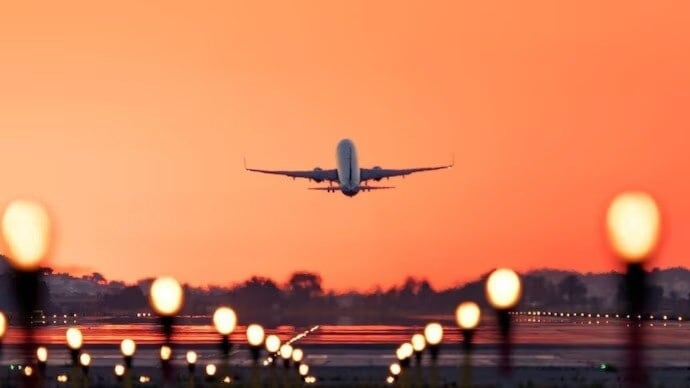

Jet fuel prices, or aviation turbine fuel (ATF), were revised on Monday after a surge in global crude oil rates triggered by the ongoing conflict in West Asia.
While such hikes typically push up airfares, domestic travellers may not feel the full impact immediately this time.
Initial data released by Indian Oil Corporation had suggested a sharp spike in ATF prices, raising concerns of a steep rise in ticket costs. However, the government later clarified that the increase for domestic airlines would be partial and staggered.
According to the Ministry of Petroleum and Natural Gas, ATF is a deregulated product and prices have moved in line with global crude trends. However, oil marketing companies have implemented only a partial increase for domestic scheduled operations.
The hike for domestic airlines stands at around Rs 21 per litre for now, while international routes are facing a much steeper increase of about Rs 110 per litre, reflecting global fuel prices. Overall, this translates to roughly a 25 percent increase in base ATF prices.
IMPACT ON DOMESTIC FLIGHTS
For passengers flying within India, the immediate impact is expected to remain limited.
Fuel is one of the largest cost components for airlines, but since only part of the increase has been passed on, carriers are unlikely to raise ticket prices sharply in the short term. Any fare adjustments, if required, are likely to be gradual rather than immediate.
The staggered approach appears aimed at avoiding a sudden spike in travel costs and maintaining stability in the domestic aviation market.
WHAT ABOUT INTERNATIONAL FLIGHTS?
The situation is markedly different for international travel.
Flights operating on overseas routes are more directly exposed to global fuel prices. With airlines facing the full increase in ATF costs, passengers could see higher fares or the return of fuel surcharges if crude oil prices remain elevated.
WHAT’S DRIVING THE INCREASE?
The rise in jet fuel prices is linked to a sharp jump in global crude oil rates amid geopolitical tensions involving Iran, United States and Israel.
Concerns over potential disruptions in the Strait of Hormuz, a critical oil shipping lane, have pushed crude prices above $100 per barrel. A weaker rupee has further added to cost pressures by making fuel imports more expensive.
MORE HIKES AHEAD?
The situation remains fluid.
Sources in oil marketing companies indicate that ATF prices could be revised further in phases depending on how the West Asia conflict evolves.
There are also early indications that premium variants of petrol and diesel could see calibrated increases if crude prices remain elevated.
For now, domestic flyers have been partially shielded, while international travellers are more exposed to rising fuel costs. How much of this eventually translates into higher ticket prices will depend on the trajectory of global oil markets and currency movements.