
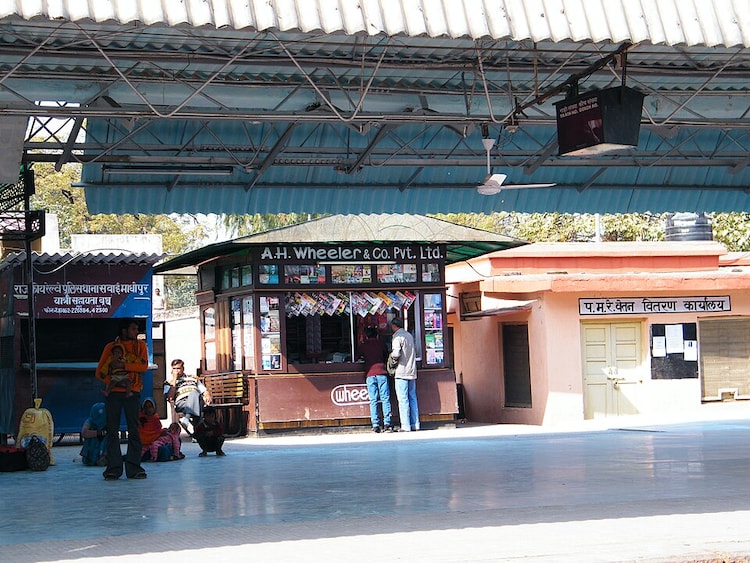
Farewell to AH Wheeler: How India's iconic railway bookstalls began and ended
Once a must-visit on every train journey, the iconic Wheeler bookstalls are slowly disappearing. As the Indian Railways closes many stalls, a beloved travel tradition is fading away.
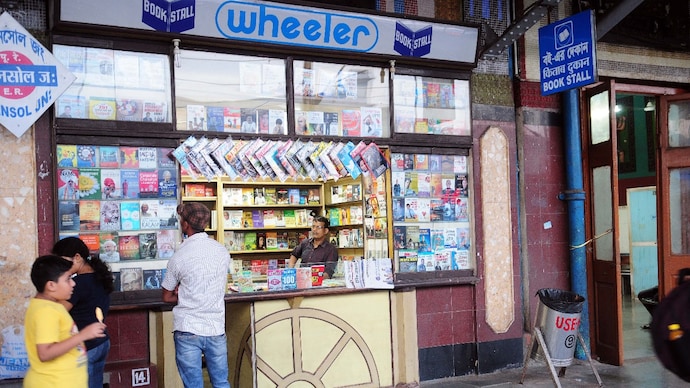
A wheeler book stall at railway station on June 4, 2016 in Asansol, India. (Photo by Indranil Bhoumik/Mint via Getty Images)

New Delhi,UPDATED: Apr 2, 2026 07:30 IST
In India, for many years, train stations weren’t just places to catch trains, they were full of colour, noise, chai vendors and one familiar sight: the AH Wheeler bookstall.
Kids fished for pocket money to buy comics and picture books. Parents picked up newspapers and magazines packed with film gossip or weekly stories. Officegoers reached for bestselling novels or paperbacks on current affairs to make time fly during long journeys.
Buying reading material had become part of the journey itself.
The chain that made this possible wasn’t a government venture or a corporate bookstore. Yet, for generations, it became one of the most recognisable parts of the Indian railway experience. Now, that legacy is visibly slipping away.
Indian Railways is phasing out 55 iconic Wheeler bookstalls on the Western Railway network in Mumbai, and most shops will not be renewed under the new retail model. Only a single historic stall at Mumbai Central Terminus, preserved for its original design, will remain in place but repurposed.
The move is part of a broader plan to decongest stations and replace single-purpose stalls with multipurpose kiosks selling everything from snacks to medicines.
While practical from a planning perspective, the decision marks the gradual disappearance of one of Indian Railways’ most recognisable cultural symbols.
HOW IT ALL STARTED: A SIMPLE IDEA BECAME A BIG BUSINESS
The story of AH Wheeler & Co. on Indian railway platforms goes back to the late 1800s in Allahabad (now Prayagraj), at a time when the railways were rapidly transforming the subcontinent.
A young Frenchman named mile Edouard Moreau was living in Allahabad and working with Bird & Company, a British managing agency that supplied labour to the expanding East Indian Railway network.
Moreau came from a family with a connection to bookselling. His grandfather had been a bookseller in England, and he noticed an unmet demand among railway passengers for reading material during long journeys.
Around this time, a friend of his in London named Arthur Henry Wheeler, who was an established bookseller in London, who had too many books in his personal collection, wanted to sell them off.
Moreau took some of these volumes and set up a makeshift display in a wooden almirah on the Allahabad railway station platform. To his surprise, the books sold quickly and consistently.
Encouraged by this success, Moreau, Wheeler and a few partners formed AH Wheeler & Co. in 1877, naming the venture after Arthur Henry Wheeler, not because Wheeler ran the business locally, but because a London bookshop name carried greater credibility and brand value among colonial-era travellers in India.
This simple, almost spontaneous experiment tapped into a real demand: as more people took to rail travel, they wanted affordable reading, newspapers, magazines, stories and novels, to pass the hours.
And the Wheeler bookstall became the place to find it.
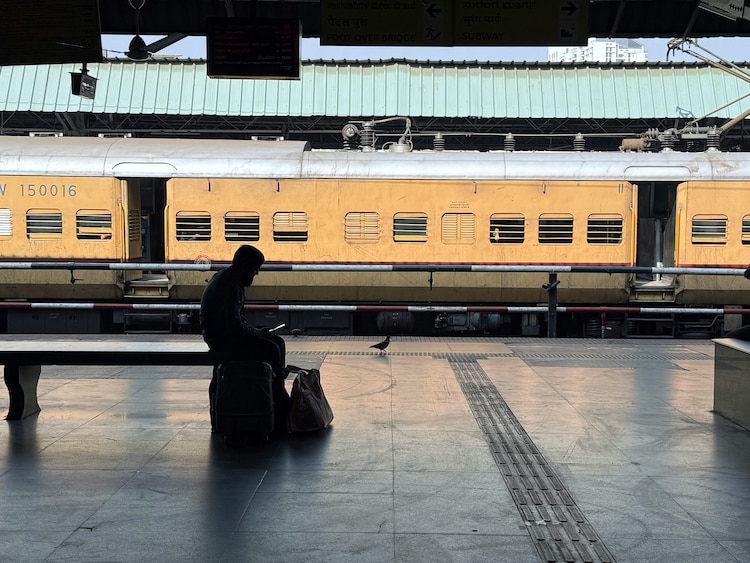
MULTIPLE STATIONS, ONE NAME
What began as a single almirah of books quickly turned into something much larger. As the railway network spread across northern and eastern India in the late 19th century, so did the Wheeler bookstalls.
By the early 1900s, the brand had spread across hundreds of railway stations, eventually becoming a familiar sight from Delhi to Howrah and Mumbai to Patna. These stalls sold books, magazines, newspapers and periodicals in English and, later, in regional languages as well.
In its heyday, the company operated at more than 250 stations nationwide, having more than 900 bookstores, making literature and news accessible to millions of passengers and helping cultivate a culture of reading across social classes.
For many travellers, visiting a Wheeler stall on the platform was as much a part of the journey as boarding the train itself, almost as important as buying tea before departure.
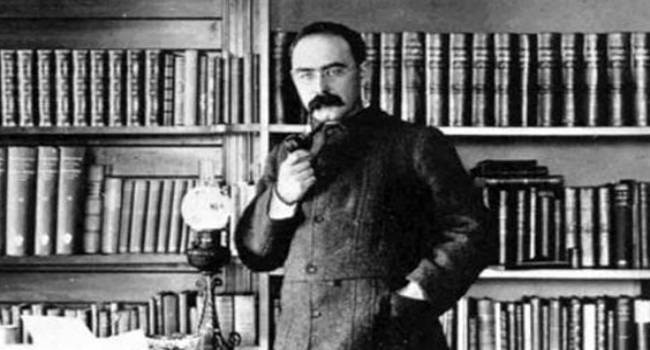
THE INDIAN RAILWAY LIBRARY AND RUDYARD KIPLING
One of the most fascinating chapters in the history of AH Wheeler is its association with Rudyard Kipling, one of the most widely read writers in the English language, whose early career was closely tied to India.
In 1888, AH Wheeler launched the Indian Railway Library, a series of inexpensive books prized at Rs 1, pocket-sized booklets designed for railway passengers looking for short, engaging reads during their journeys. Sold at affordable prices, these editions made literature accessible to a much wider audience.
At the time, Kipling was working as a journalist in India and was rapidly building his literary reputation. Several of his early works, including Soldiers Three, Under the Deodars, The Phantom ‘Rickshaw, and Wee Willie Winkie, were published as part of this series, helping to bring his stories to a growing readership across the country.
These compact, low-cost editions were an early form of mass-market reading, sold at railway stations and carried across the expanding rail network.
In doing so, they not only boosted Kipling’s visibility but also played a significant role in popularising reading among everyday travellers in colonial India.
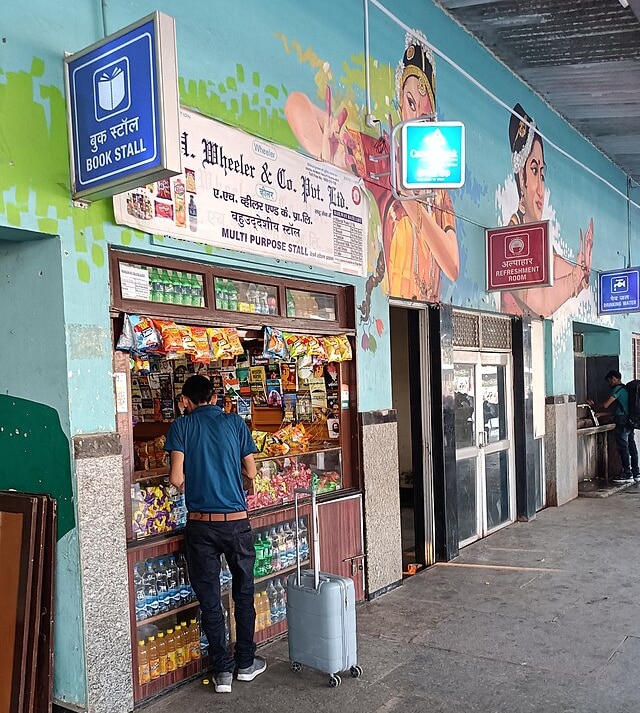
WHY THE STALLS ARE FADING AWAY
For decades, Wheeler stalls were everywhere on Indian platforms. But over the past two decades, retail patterns and passenger habits have changed.
Indian Railways ended Wheeler’s exclusive selling rights in 2004, allowing other vendors into the platform space, and later encouraged more multipurpose stalls selling books along with snacks, packaged drinks and everyday items to better serve commuter needs.
Under such revised commercial models and renewed licence terms, many traditional Wheeler bookstalls have closed.
In Mumbai alone, 55 stalls on the Western Railway network are being closed down, leaving only one heritage stall preserved for its historical design.
For many older travellers, seeing these stalls disappear is emotional because they are part of cherished travel memories, a symbol of a simpler era when reading was woven into the fabric of train journeys.
A PART OF TRAVEL HISTORY
The story of AH Wheeler bookstalls is more than a retail history. It is the story of how reading became part of everyday travel, how a simple business idea grew into a cultural institution, and how literature reached millions of people across India.
Though most stalls may soon be gone, their memory lives on in the minds of those who once made long journeys a little brighter with a book in hand.
- Ends