
7-minute cancer injection now in India: Know its cost and where to get it
Roche Pharma India has launched a subcutaneous Tecentriq injection for eligible lung cancer patients. The shorter dosing time could ease hospital visits, though the price remains a key concern.
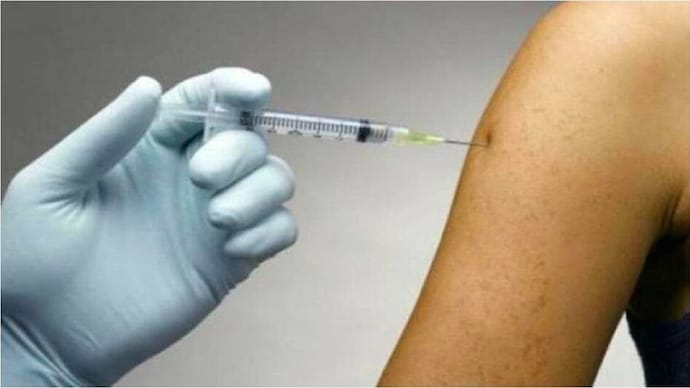

India has introduced a new cancer treatment that could change the way many lung cancer patients receive immunotherapy. Roche Pharma India has launched a new subcutaneous injection version of its immunotherapy drug Tecentriq, offering treatment in just seven minutes. Unlike traditional intravenous (IV) infusions that often take several hours in hospitals or cancer centres, the new injection is administered under the skin and significantly reduces treatment time.
The launch is being seen as a major advancement in cancer care, especially for patients suffering from non-small cell lung cancer (NSCLC), the most common type of lung cancer in India.
Doctors say the shorter procedure may reduce hospital crowding, improve patient comfort, and make treatment easier for elderly patients or those travelling long distances for therapy.
However, alongside excitement over the medical breakthrough, the high cost of the treatment has also sparked discussion. Each dose of the injection costs nearly Rs 3.7 lakh, and many patients may require around six doses depending on their treatment plan.
This pushes the total cost into several lakhs, making affordability a serious concern for many Indian families already struggling with rising healthcare expenses.
The new injection uses a medicine called atezolizumab, an immunotherapy drug that helps the body's immune system recognise and fight cancer cells. Unlike chemotherapy, which directly attacks cancer cells and can also damage healthy cells, immunotherapy works differently. It strengthens the body's own defence system to identify and destroy cancer cells more effectively.
WHAT IS TECENTRIQ, AND HOW DOES IT WORK?
Tecentriq contains atezolizumab, a drug designed to block a protein called PD-L1. Cancer cells often use this protein to hide from the immune system. When PD-L1 is blocked, immune cells are able to detect cancer cells and attack them.
Doctors say the treatment is particularly useful for patients whose tumours show high levels of PD-L1 expression. Testing is usually done before treatment begins to determine whether a patient is likely to benefit from the therapy.
Experts believe immunotherapy has transformed cancer treatment in recent years because it often causes fewer severe side effects compared to traditional chemotherapy. It has also shown encouraging results in slowing cancer progression and improving survival rates in eligible patients.
WHY THE 7-MINUTE INJECTION IS BEING SEEN AS A BREAKTHROUGH
One of the biggest advantages of the new injection is convenience. Earlier, patients receiving immunotherapy through IV infusion had to spend hours in hospitals during every treatment cycle. The new injection is given under the skin, usually in the thigh, and takes only around seven minutes.
Doctors believe this can improve the overall experience for cancer patients who already go through physical and emotional stress during treatment. Shorter hospital visits can also reduce fatigue caused by repeated travel and long waiting hours.
Healthcare experts say the injection may also help hospitals manage patient load more efficiently, especially in busy oncology departments where treatment chairs and infusion facilities are limited.
WHO CAN RECEIVE THE TREATMENT?
The injection is currently meant for patients suffering from non-small cell lung cancer, which accounts for the majority of lung cancer cases in India.
However, not every patient is eligible. Doctors first evaluate whether the patient's tumour has high levels of PD-L1 protein. Patients with higher PD-L1 levels are generally more likely to respond positively to the treatment.
The therapy may be used alone or alongside other cancer treatments, depending on the stage of the disease, overall health condition, and the doctor's recommendation.
According to experts, nearly half of NSCLC patients could potentially qualify for this treatment.
WHY IS THE TREATMENT SO EXPENSIVE?
The biggest challenge surrounding the new cancer injection remains its cost. At nearly Rs 3.7 lakh per dose, the treatment is beyond the reach of many families. Since patients may need multiple doses, the overall expense can become extremely high.
Cancer specialists say immunotherapy drugs are expensive worldwide because they involve years of advanced scientific research, complex manufacturing, and specialised technology.
Reports suggest that modern immunotherapy treatments in India generally cost between Rs 1.5 lakh and Rs 4 lakh per cycle, depending on the drug and treatment plan.
To reduce financial pressure on patients, Roche has introduced a patient support programme called “Blue Tree.” The company has also included the drug under the Central Government Health Scheme (CGHS), which may help eligible patients receive reimbursement support.
Still, doctors and healthcare experts believe broader insurance coverage, government support, and lower-cost treatment options are needed to make advanced cancer care accessible to more people in India.
Despite affordability concerns, doctors say the launch of the seven-minute cancer injection marks an important milestone in India’s cancer treatment journey. Faster therapy, reduced hospital time, and improved patient comfort could significantly improve the quality of life for many patients battling lung cancer.
Experts believe the introduction of newer immunotherapy options also reflects how cancer care is evolving rapidly in India. While affordability remains a major issue, many hopes that such treatments will become more widely accessible in the coming years as technology advances and healthcare support expands.