
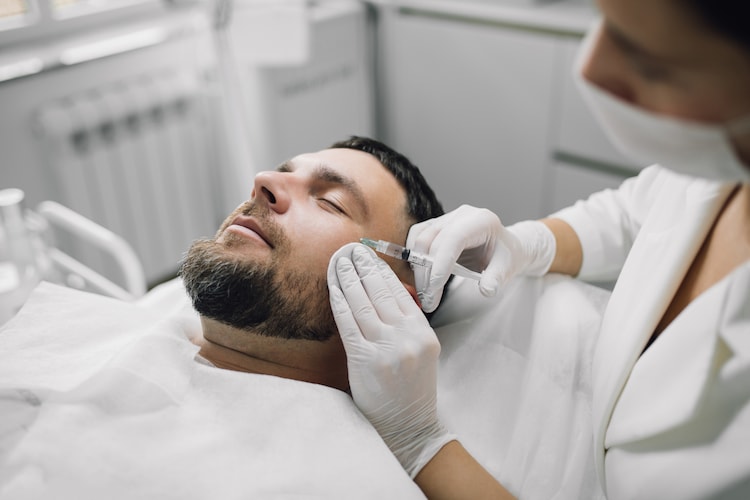
Cosmetic injectables are not for barbers and beauticians
India's drug regulator has clarified that cosmetics cannot be injected into the human body unless it is from a medical practitioner, putting the spotlight on wellness trends like glutathione drips and anti-ageing shots. Plastic and reconstructive surgeon Ranjit Bhosale says the move is necessary as more untrained people enter the booming injectable beauty industry.
People often underestimate how dangerous cosmetic injectables can become in the wrong hands.

New Delhi,UPDATED: May 22, 2026 12:13 IST
Editor’s note: India’s drug regulator, the Central Drugs Standard Control Organisation (CDSCO), recently clarified that cosmetics cannot be injected into the human body, bringing glutathione drips, anti-ageing shots and other injectable beauty therapies under sharper scrutiny. In this context, plastic and reconstructive surgeon Dr Ranjit Bhosale reflects on the growing risks of untrained practitioners performing cosmetic injectables.
As a plastic and reconstructive surgeon, I have watched India’s cosmetic and aesthetic treatment industry grow at an unbelievable speed over the last few years. Treatments that were once limited to specialised clinics are now available almost everywhere, from luxury wellness centres and aesthetic chains to neighbourhood salons and beauty parlours.
While awareness of skincare and cosmetic procedures has increased, so has the misuse of injectable treatments. That is why I believe the CDSCO's clarification that cosmetics cannot be injected into the body is an important and necessary move.
Today, injectable cosmetic procedures are no longer limited to Botox and fillers. We are now seeing a flood of newer treatments involving peptides, bio-modulators, bio-stimulators, glutathione drips and anti-ageing injections. These treatments are being marketed aggressively on social media and are often presented as quick, harmless beauty fixes.
But injectables are medical procedures. They are not casual beauty treatments.
'IT’S JUST AN INJECTION': THE DANGEROUS MYTH
The biggest problem with injectables is that they look deceptively simple. It is not surgery in the traditional sense. It is “just an injection”, and because of that, many people assume anyone can do it with a little practice.
Technically, yes, many people can learn how to inject. But the real issue is not the injection itself; it is the ability to handle complications when something goes wrong.
If you are not trained to recognise and manage complications, you should not be performing injectable procedures.
That is the line many people are crossing today.
Aesthetic medicine has become an extremely lucrative business. Many people see cosmetic procedures as an easy way to make money quickly. Within minutes, with minimal setup, someone can earn a significant amount through fillers, Botox or skin treatments. Naturally, this attracts people from outside the medical speciality as well.
Originally, most of these procedures were performed mainly by plastic surgeons. Gradually, dermatologists also entered the space, which is understandable because they are trained medical professionals. But over time, assistants, technicians and allied workers working around clinics started observing procedures closely.
They learn by watching. They learn by assisting. They gain hands-on exposure. Eventually, some began offering these services independently.
This pattern is visible in cosmetic medicine today.
Take hair transplants as an example. A trained doctor supervises the procedure, but assistants are often involved in extracting follicles and implanting them. Over time, some assistants feel confident enough to start offering low-cost procedures on their own.
The same thing is now happening with injectables.
Today, barbers are doing hair transplants and beauty parlour workers are performing Botox and fillers. That is a frightening reality.
WHEN BEAUTY TREATMENTS GO WRONG
People often underestimate how dangerous cosmetic injectables can become in the wrong hands. When complications happen, they can be devastating.
I have seen cases where the blood supply to parts of the face gets blocked after an injection. The skin turns black, tissue dies and parts of the face can literally fall off. Patients can be left with severe deformities involving the nose, cheeks or lips.
These complications are rare, but they are real.
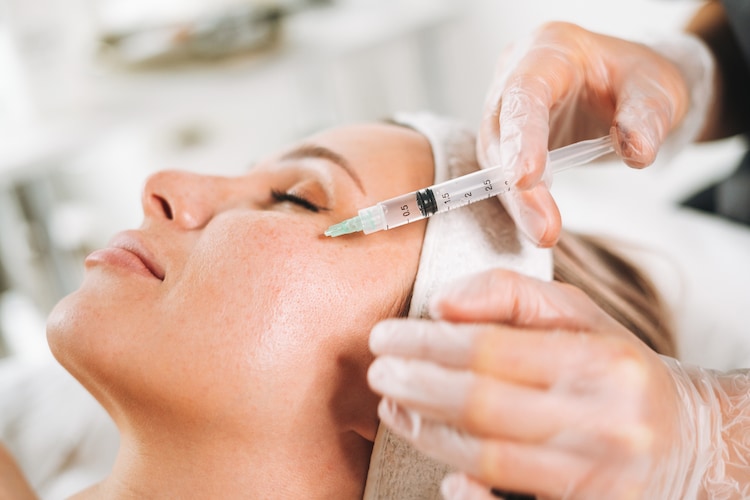
Nine out of ten times, a procedure may go smoothly. But that one time when something goes wrong, the patient’s life can change permanently. At that moment, the only thing that matters is whether the person treating you knows how to manage the emergency.
That is why qualifications matter.
A trained medical professional understands facial anatomy, sterile protocols, emergency drugs, vascular complications and patient safety. Someone who has simply “learnt by watching” may not have that knowledge.
Recently, there have even been reports of deaths linked to cosmetic procedures performed by people who were not adequately trained for them. Just because someone has seen a procedure many times does not mean they are equipped to handle complications.
That is the core issue.
I believe this move is a masterstroke because it finally draws a clear line between cosmetics and medical procedures. Cosmetics are meant for external use. Once something is injected into the body, it enters the domain of medicine and patient safety.

This clarification is not about stopping aesthetic medicine. Cosmetic procedures, when done correctly by qualified professionals, can be safe and effective. The issue is about regulation, accountability and protecting patients from unsafe practices.
WHAT CONSUMERS SHOULD KNOW
Consumers also need to become more careful. Before undergoing any injectable treatment, people should ask who is performing the procedure, what qualifications they have, what product is being injected and whether the clinic is equipped to handle complications if they arise.
A lower price should never become the reason to compromise on safety.
India’s aesthetic industry will continue to grow, but patient safety must grow with it. Cosmetic injectables should never become casual beauty parlour treatments. They are medical procedures, and they must be treated with the seriousness they deserve.
(Dr Ranjit Bhosale is MCh Plastic, Aesthetic and Reconstructive surgery (AIIMS Delhi), and a senior consultant at Sculpt Sublime. (https://www.sculptsublime.in/))
- Ends