
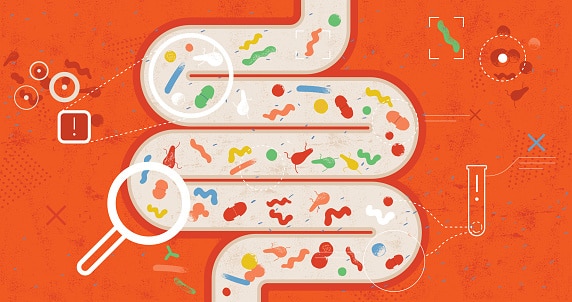
Diarrhoea, bloating surge in heatwave: How to manage gut issues
Heatwaves can lead to severe stomach problems, especially the risk of diarrhoea even when you haven't eaten food from outside. Here's why it happens and what you must do to prevent stomach pain.
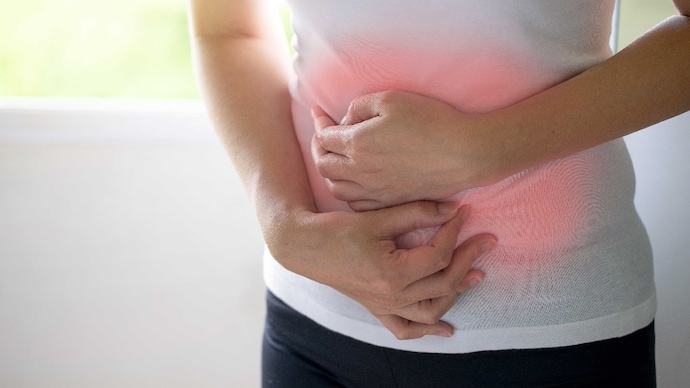
Heat speeds up the growth of microbes in food, raising the risk of consuming contaminated meals. (Photo: Getty Images)

With temperatures soaring over 40°C, doctors are seeing a sharp rise in heat-related illnesses, particularly those affecting the gut. From acidity and bloating to vomiting and diarrhoea, hospitals are reporting a steady influx of patients with digestive complaints, even among those who haven’t eaten outside food.
Several district hospitals across the city have now opened dedicated heatwave clinics to manage the surge.
Stomach pain and diarrhoea form a major part of heat-related illnesses, signalling how extreme heat is taking a toll beyond dehydration and fatigue.
People with pre-existing digestive conditions are finding it especially difficult to cope. The heat tends to worsen underlying gut issues, making symptoms more intense and frequent.
WHY IS THE STOMACH SO AFFECTED BY HOT WEATHER?
High temperatures create the perfect environment for bacteria and viruses to multiply rapidly, increasing the risk of gastrointestinal infections.
At the same time, the body loses more fluids through sweat. If this loss isn’t replenished, dehydration sets in—affecting the gut’s ability to function properly and increasing susceptibility to infections.
“High temperatures can cause blood vessels to expand, diverting blood away from the digestive system to help regulate body temperature. This can impair digestion and lead to symptoms like cramps, diarrhoea and bloating,” Dr. Mahesh Kumar Gupta, Senior Consultant, Gastroenterology, Marengo Asia Hospital, Gurugram, earlier told India Today Digital.
Heat also speeds up the growth of microbes in food, raising the risk of consuming contaminated meals. In addition, dehydration disrupts key digestive processes.
“Adequate hydration is essential to maintain enzyme function, protect the intestinal lining, and ensure smooth movement of food through the gut,” Dr Gupta added.
Another concern is haemoconcentration, a condition where body fluids become more concentrated due to fluid loss.
When diarrhoea occurs, beneficial gut bacteria are flushed out, allowing harmful bacteria to multiply. This imbalance can worsen symptoms and even lead to heat exhaustion.
HOW TO PROTECT YOUR GUT
Doctors advise prioritising hydration through water, electrolyte-rich drinks, and water-dense foods like fruits and vegetables.
Avoid poorly stored dairy items, as well as caffeine, fizzy drinks, and processed foods that can irritate the gut.
If symptoms like diarrhoea, nausea, or vomiting persist beyond a day, seeking medical care is essential.
- Ends