
Toxic chemicals, not fruits, are the real villains in food scares
Investigators found zinc phosphide in the watermelon eaten by a Mumbai family of four who died. Experts say the episode points to contamination in the food chain rather than a risk from fruit itself.
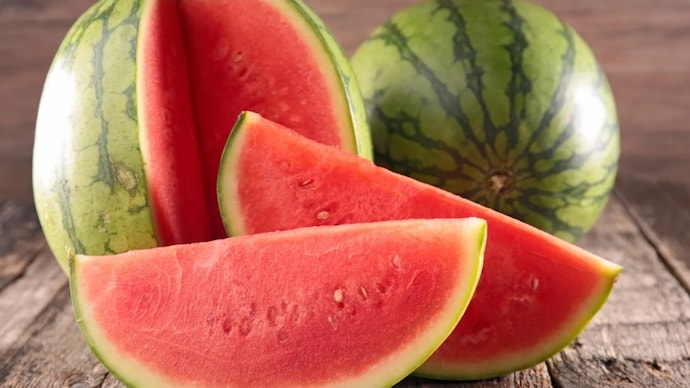

 The recent deaths of four members of a family in Mumbai after consuming watermelon have once again triggered panic around fruits. Initial reactions on social media quickly turned the spotlight on watermelon, with rumours and fear spreading faster than verified medical findings.
But investigators later found traces of zinc phosphide – a highly toxic compound commonly used in rat poison – in both the viscera samples and the watermelon consumed by the family.
Episodes like these often end up demonising an entire fruit category, much like past scares involving mangoes artificially ripened with chemicals.
Yet experts say the real issue is not the fruit, but the misuse of toxic substances in the food supply chain.
According to Dr Gyanranjan Rout, medical gastroenterologist at Manipal Hospitals, fruits such as watermelon are sometimes “artificially enhanced using dyes or injected with colourants such as Rhodamine B or synthetic red dyes” to make them appear fresher and more attractive.
These substances, he noted, are “non-food-grade and not approved for fruit.”
The same pattern is seen with mangoes. Traders seeking faster ripening often use calcium carbide, a banned chemical that releases acetylene gas to mimic the natural ripening process.
Dr Rout explained that calcium carbide may contain “traces of arsenic and phosphorus,” making prolonged consumption hazardous.
CHEMICALS BEHIND RISKS
What makes such incidents especially dangerous is the tendency to conflate isolated contamination with the fruit itself. Watermelon did not become poisonous overnight; nor are mangoes inherently unsafe.
The concern lies in contamination, adulteration, and irresponsible handling, stressed Dr Sukesh Narayan Sinha, head of food safety with the Indian Council of Medical Research – National Institute of Nutrition (ICMR-NIN).
Experts also caution that while certain chemicals can indeed be harmful, they do not typically cause instant death after casual exposure. Chronic exposure is often the larger public health concern.
Dr Rout pointed out that synthetic dyes like Rhodamine B have been “linked to liver and kidney damage” and are considered potential carcinogens.
Similarly, prolonged exposure to residues from calcium carbide can trigger neurological symptoms, headaches, dizziness, nausea, and gastrointestinal irritation.
This distinction matters because public reactions often swing between panic and complacency. One viral incident can lead consumers to abruptly avoid entire categories of fruit, hurting farmers and vendors who follow safe practices. At the same time, repeated exposure to low levels of harmful chemicals may go unnoticed precisely because the effects are gradual rather than dramatic.
Even approved agents require caution.
Dr Rout noted that Ethrel or Ethephon – regulated alternatives used for ripening in many countries - are considered safe only “when used at prescribed doses.” Excessive application can still leave residues capable of causing stomach irritation.
The Mumbai case is therefore, less a story about watermelon and more a reminder of how toxic substances can enter food systems through negligence or malpractice, said Sinha. Zinc phosphide itself is an acute poison used in rodent control and has no legitimate role in food handling. Investigators are still examining how it contaminated the fruit consumed by the family.
AVOIDING PANIC
India has been seeing this cycle.
Every summer, alarming videos claiming to show “chemical-injected watermelons” or “poisonous mangoes” go viral online, often without scientific verification. In many cases, naturally occurring characteristics in fruits are mistaken for contamination. The result is widespread fear unsupported by evidence.
Experts argue that a more rational response lies in strengthening monitoring and consumer awareness rather than vilifying fruits that remain nutritionally essential.
Watermelon, for instance, is hydrating and rich in antioxidants. Mangoes provide vitamins A and C alongside dietary fibre. Removing them from diets out of fear may ultimately do more harm than good.
Instead, consumers will benefit more by watching for signs of unnatural handling. Dr Rout recommends choosing fruits with “uniform colour” and a “natural aroma,” while avoiding produce with excessively bright or uneven flesh. Thorough washing is essential, and peeling fruits when possible can reduce surface contamination risks.
Doctors also warn against sensationalism that treats every contamination episode as evidence of a nationwide poisoning crisis. Toxicology does not work that way.
Many harmful substances become dangerous through dose and duration of exposure. A person repeatedly consuming chemically adulterated produce over months or years may face cumulative health effects even without dramatic symptoms in the short term.
That reality is less headline-grabbing than sudden tragedy, but arguably more important. Public health conversations need to move beyond fear-driven narratives and focus instead on regulation, enforcement, and safer agricultural and market practices.
The lesson from the Mumbai incident is therefore not that watermelon is dangerous. It is that any food item can become unsafe when contaminated by toxic chemicals. Confusing the carrier with the contaminant only obscures the real issue – and risks turning nutritious fruits into scapegoats for failures elsewhere in the food chain.