
People are freezing their body fat for future beauty procedures, but is it safe?
Fat banking is drawing attention as a way to store liposuction fat for future cosmetic use. Doctors say the idea offers convenience, but its long-term reliability remains uncertain.
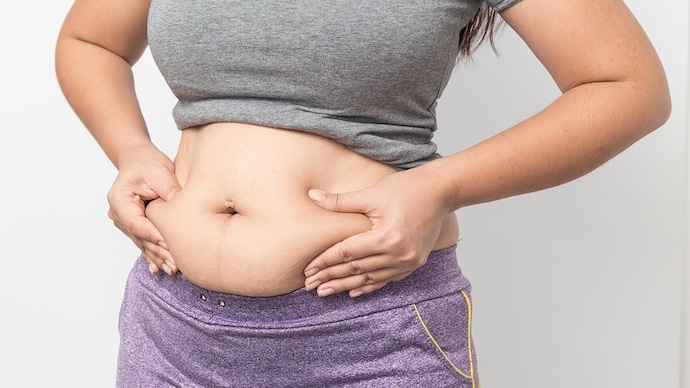

In the ever-changing world of cosmetic procedures and anti-ageing treatments, a new trend called “fat banking” is beginning to attract attention globally. The concept involves removing fat from a person’s body through liposuction, freezing and storing it, and then using it later for cosmetic or reconstructive procedures.
Supporters of the trend believe it could become a convenient way to maintain facial volume, improve body contouring, or avoid repeated liposuction procedures in the future.
Many people also prefer the idea of using their own body fat instead of synthetic fillers or implants.
However, doctors say fat banking is still an emerging technology and should be approached carefully. While the procedure itself can be performed safely in medical settings, experts warn that long-term reliability remains uncertain because stored fat cells may not survive the freezing and thawing process completely.
Speaking to India Today, Dr Ambrish Gupta, Director of Plastic, Cosmetic & Reconstructive Surgery at CK Birla Hospitals, Jaipur, said fat banking may sound promising, but patients should understand its limitations before considering it as a long-term cosmetic solution.
WHAT IS FAT BANKING?
Fat banking is a process where fat removed during liposuction is preserved for future use. The fat is collected from areas such as the abdomen, thighs, hips, or flanks and then frozen using special cryopreservation techniques.
The preserved fat may later be injected into different body areas where volume enhancement is needed, including:
Face and cheeks
Under-eye areas
Lips
Breasts
Buttocks
Areas affected by ageing-related volume loss
According to experts, the biggest attraction of fat banking is convenience. Patients may avoid undergoing another fat-harvesting procedure later if they already have preserved fat stored.
IS FAT BANKING SAFE?
Dr Ambrish Gupta explained that the process can be considered medically safe if it is performed in licensed hospitals or clinics that follow proper cryopreservation standards.
“Fat banking is a developing idea in the field of cosmetic and reconstructive surgery,” he said.
“The benefit of this practice is that patients need not get fat reharvested in the future. But whether fat banking is really reliable is still the greater question,” Dr Gupta added.
He explained that fat cells are delicate biological cells, and not all of them survive the freezing and thawing stages.
“Even with high-grade preservation techniques, there can be differences in the proportion of fat that can be reconstituted back from the banked reserves to the reinjection site,” he said.
According to Dr Gupta, fat banking may be a helpful option, but it is “not as reliable as many commercial companies claim.”
WHY EXPERTS ARE CAUTIOUS
Doctors say one of the biggest concerns with fat banking is unpredictability.
In traditional fat transfer procedures, freshly harvested fat is injected into the body immediately after liposuction. Since the fat is fresh, cell survival rates are generally better.
However, frozen fat behaves differently.
Dr Gupta explained that some fat cells may become damaged during preservation, reducing the amount of fat that survives after reinjection.
“The main disadvantage of preserved fat is that fewer cells survive,” he said.
Because of this, patients may not always get the expected cosmetic results and could require multiple procedures to achieve the desired appearance.
Experts also warn about issues related to:
Long-term tissue survival
Storage quality and sterility
Inconsistent results
Uneven fat retention
Repeat cosmetic procedures
FRESH FAT TRANSFER IS STILL CONSIDERED THE GOLD STANDARD
While fat banking is gaining attention, cosmetic surgeons say immediate fat transfer remains the preferred option in many procedures.
Fresh fat grafting has been used in cosmetic surgery for years and has a stronger medical track record compared to frozen fat storage.
“That means, where fat banking brings the advantage of convenience and future planning potential, immediate fat transfer continues to be the current gold standard in many cosmetic procedures,” Dr Gupta said.
GROWING INTEREST IN ANTI-AGEING PROCEDURES
Experts believe fat banking reflects the increasing demand for anti-ageing and minimally invasive cosmetic treatments worldwide.
Many people are now looking for natural-looking procedures that use their own body tissue instead of artificial fillers.
However, doctors stress that newer cosmetic trends should not be mistaken for fully proven medical solutions.
Fat banking may sound like a futuristic beauty solution, but experts say the technology is still developing and more research is needed to fully understand its long-term effectiveness.
While the idea of storing your own body fat for future cosmetic procedures may appeal to many people, doctors advise patients to keep realistic expectations and consult qualified plastic surgeons before considering the procedure.