
Protein shakes, pre-workouts and burnout: When healthy habits backfire
From protein powders and creatine to energy drinks and crash diets, many popular fitness habits may quietly harm the body when taken to extremes. Experts say balance, proper nutrition, and professional guidance are more important than shortcuts to fitness.
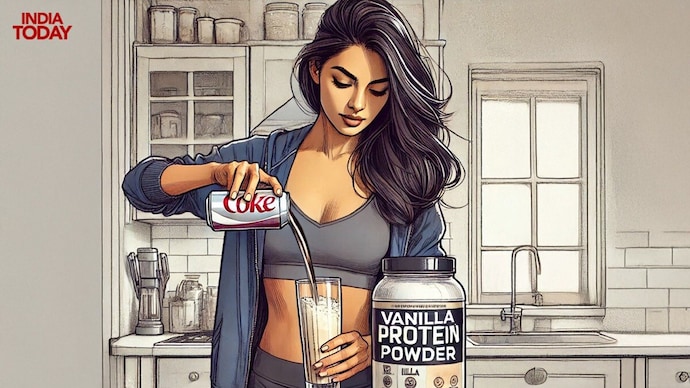

Fitness culture has become a major part of modern life. Scroll through social media, and you will find endless videos promoting protein shakes, “fat-burning” drinks, pre-workout powders, muscle-building supplements, and strict diet plans that promise quick transformation.
For many people, especially young adults, fitness is no longer just about staying healthy; it has also become closely linked to appearance, body image, and online trends.
While becoming health-conscious is a positive change, doctors are now warning that the growing obsession with “perfect fitness” may sometimes do more harm than good. In the race to gain muscle, lose weight quickly, or look lean, many people are overusing supplements, skipping balanced meals, and pushing their bodies beyond healthy limits.
According to Dr Archana Pate, Consultant Internal Medicine, Fortis Hospital, Kalyan, habits that appear healthy on the surface can slowly begin affecting the body when there is no balance.
From excessive protein intake and energy drinks loaded with caffeine to crash dieting and overtraining, experts say these practices can increase stress on the kidneys, heart, digestive system, hormones, and mental health.
WHY PROTEIN POWDERS ARE BECOMING A CONCERN
Protein is essential for muscle repair, recovery, and overall health. However, experts say many people are consuming far more protein supplements than their bodies actually need.
Social media trends and fitness influencers often promote “high-protein lifestyles” without explaining that nutritional needs differ from person to person. As a result, many gym-goers rely heavily on protein shakes instead of focusing on balanced meals.
Dr. Pate warns that consuming too much protein through supplements may place additional stress on the kidneys, especially in people with pre-existing kidney conditions or other health problems.
Another issue is that some supplements may contain hidden sugars, steroids, or unapproved chemicals that are not clearly mentioned on labels. Over time, these ingredients may negatively affect overall health.
IS CREATINE SAFE?
Creatine is one of the most commonly used fitness supplements, especially among people trying to gain muscle mass or improve workout performance.
Experts say creatine can be safe when used in recommended amounts under professional guidance. However, taking excessive doses may lead to problems such as:
Muscle cramps
Bloating
Digestive discomfort
Dehydration
Increased pressure on the kidneys
Doctors stress that supplements should never be consumed casually just because they are trending online.
THE DANGERS OF PRE-WORKOUT POWDERS AND ENERGY DRINKS
Another growing concern is the increasing use of energy drinks and pre-workout supplements before exercise sessions.
Many of these products contain extremely high levels of caffeine and stimulants designed to provide an instant burst of energy. While they may temporarily improve alertness or workout intensity, overuse can negatively affect the heart and nervous system.
According to Dr. Pate, excessive caffeine intake may cause:
Increased heart rate
High blood pressure
Anxiety and restlessness
Sleep disturbances
Heart palpitations
Some energy drinks contain caffeine levels much higher than what the human body can comfortably tolerate.
A study published by the American Heart Association has also raised concerns about the cardiovascular effects of excessive energy drink consumption, particularly among young people.
WHY SUPPLEMENTS CANNOT REPLACE REAL FOOD
Experts say one of the biggest misconceptions today is the belief that supplements can replace a healthy diet.
Many people prefer packaged powders and drinks because they seem easier and quicker than preparing balanced meals. However, doctors stress that no supplement can fully replace real food.
Whole foods provide important nutrients such as:
Fibre
Vitamins
Minerals
Natural antioxidants
Healthy fats and carbohydrates
These nutrients work together to support long-term health in ways supplements alone cannot.
Dr. Pate explains that relying too much on packaged nutrition while ignoring proper meals can eventually affect digestion, metabolism, energy levels, and immunity.
WHEN “HEALTHY HABITS” BECOME UNHEALTHY
Fitness habits become harmful when they are extreme or unsustainable.
Overtraining, severe calorie restriction, obsessively counting food, avoiding entire food groups, and constantly chasing unrealistic body goals can put stress on both physical and mental health.
Experts say warning signs of unhealthy fitness behaviour include:
Constant fatigue
Poor sleep
Mood swings
Digestive issues
Hormonal imbalance
Frequent dehydration
Feeling anxious around food or workouts
In many cases, people continue these habits, believing they are becoming “healthier,” even when their bodies are showing signs of stress.
FITNESS SHOULD IMPROVE HEALTH, NOT DAMAGE IT
According to the World Health Organisation, regular physical activity is important for overall health. However, experts say sustainable habits matter far more than shortcuts or extreme routines.
Dr Pate stresses that fitness should support the body’s natural functioning instead of exhausting it. Good health is not built overnight through one supplement, one diet trend, or one workout routine.
Doctors recommend focusing on long-term habits such as:
Eating balanced meals
Staying hydrated
Sleeping well
Exercising regularly but moderately
Seeking professional guidance before using supplements
Avoiding crash diets and unrealistic goals
Experts also remind people that looking fit does not always mean being healthy internally.
True wellness, they say, comes from balance — not extremes.