
Why CPR is crucial during emergencies and why everyone should learn it
A person's heart can stop suddenly anywhere at home, on the road, or at work. Doctors say knowing CPR can help save lives before medical help arrives.
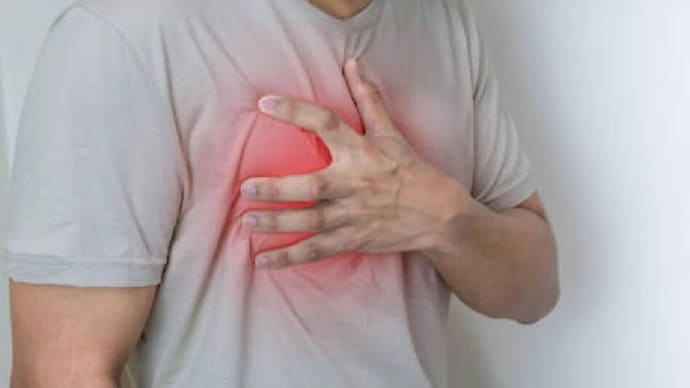

A sudden cardiac arrest can happen without warning. A person may suddenly collapse, stop breathing, and become unresponsive within seconds. In such situations, every minute becomes extremely important.
Doctors say immediate action through CPR, or Cardiopulmonary Resuscitation, can greatly increase the chances of survival.
In India, awareness of CPR remains limited compared with many developed countries. Many people panic during emergencies because they do not know what to do while waiting for an ambulance. Experts believe this lack of awareness often costs valuable time that could otherwise save a life.
According to health experts, the first few minutes after cardiac arrest are the most critical. When the heart stops pumping blood, oxygen supply to the brain and other organs also stops. Brain damage can begin within minutes.
This is where CPR plays a life-saving role.
Dr Purusatyam Chakraborty, Consultant and Head of Emergency & Triage at CK Birla Hospitals CMRI, explained that CPR helps keep blood flowing to the brain and vital organs until professional medical help arrives.
“CPR is vital because the first few minutes after cardiac arrest are critical. When the heart stops, the brain begins to suffer damage within minutes due to a lack of oxygen. CPR helps maintain blood circulation and buys time until medical help arrives,” he said.
The doctor added that in a country like India, where emergency response times may vary by location, immediate CPR by nearby bystanders can significantly improve survival chances.
WHAT HAPPENS DURING CPR?
CPR is an emergency technique used when a person’s breathing or heartbeat stops. It mainly involves chest compressions that help pump blood through the body manually.
Doctors say hands-only CPR is the easiest form for the public to learn. In this method, a person places both hands in the center of the chest and pushes hard and fast until medical help arrives.
The goal is to keep oxygen-rich blood circulating to the brain and heart. Even a few minutes of CPR can make a major difference in survival and recovery.
ANYONE CAN LEARN CPR
One of the biggest misconceptions is that only doctors or healthcare workers can perform CPR. However, experts say anyone can learn this simple but important skill.
“Anyone can perform CPR. It’s not limited to doctors or trained professionals. In fact, most cardiac arrests happen outside hospitals, making bystanders the first and most important responders,” Dr Chakraborty explained.
He further said that the technique is not very difficult to learn. “Hands-only CPR involves pushing hard and fast on the chest. With even brief training, people can gain the confidence to act and potentially save a life,” he added.
Health experts encourage schools, colleges, offices, and public institutions to conduct regular CPR training sessions so that more people are prepared during emergencies.
WHY CPR AWARENESS MATTERS IN INDIA
India is seeing a growing number of heart-related illnesses due to stress, lifestyle changes, diabetes, high blood pressure, smoking, and obesity. Experts say this makes CPR awareness even more important.
Many cardiac arrests happen at home, where family members become the first witnesses. If they know CPR, they can start chest compressions immediately instead of waiting helplessly for an ambulance.
Doctors say survival chances decrease with every passing minute after cardiac arrest. Quick CPR can double or even triple the chances of survival in some cases.
Public awareness campaigns and training programmes are slowly increasing across India, but experts believe much more needs to be done to make CPR knowledge common among ordinary citizens.
SIMPLE STEPS OF HANDS – ONLY CPR
Doctors recommend the following basic steps during an emergency:
Check if the person is responsive.
Call emergency medical services immediately.
Place both hands at the centre of the chest.
Push hard and fast at a steady rhythm.
Continue chest compressions until medical help arrives.
Experts also advise people not to panic during emergencies. Even basic CPR efforts can help maintain blood circulation and give the patient a better chance of survival.
A SKILL THAT CAN SAVE A LIFE
Medical experts say CPR is not just a healthcare skill — it is a life skill. Learning it can help people respond quickly during emergencies involving family members, friends, colleagues, or even strangers.
As awareness about heart health and sudden cardiac arrest grows, doctors continue to stress that timely CPR can mean the difference between life and death.
In many cases, an ordinary bystander who knows CPR becomes the first real hero in a medical emergency.