
World Hypertension Day 2026: Doctors warn high blood pressure often shows no symptoms
On World Hypertension Day 2026, doctors warned that high blood pressure is increasingly affecting younger adults and often goes unnoticed. They said regular checks, timely treatment and lifestyle changes are crucial to prevent serious complications.
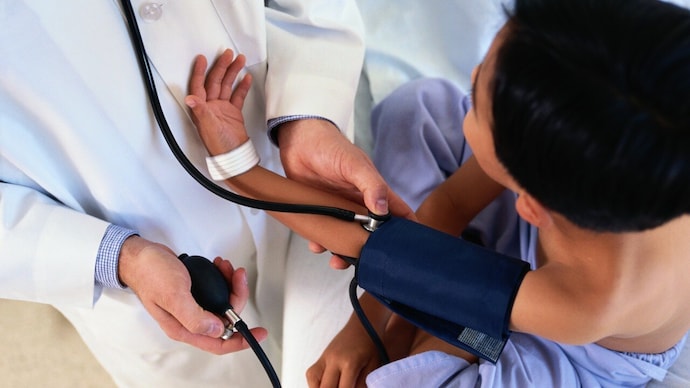

High blood pressure, also known as hypertension, has long been considered a health condition linked to old age. However, doctors are now warning that the disease is increasingly affecting younger adults, especially those in their 30s and 40s.
Sedentary lifestyles, rising stress levels, poor eating habits, obesity, lack of sleep, smoking, alcohol consumption, and metabolic disorders are emerging as major reasons behind the growing number of young people being diagnosed with hypertension.
On the occasion of World Hypertension Day 2026, heart experts are raising awareness about the dangers of uncontrolled blood pressure and the importance of early diagnosis.
One of the biggest concerns among doctors is that hypertension often develops silently without any obvious warning signs. Many people continue with their normal routines for years without realising that high blood pressure is slowly damaging their heart, kidneys, brain, and blood vessels.
According to Dr Anjan Siotia, HOD-Cardiology at BM Birla Heart Hospital, hypertension remains one of the most underestimated diseases in India because it frequently shows no symptoms in its early stages. As a result, many patients only discover they have the condition after suffering from a serious cardiovascular event such as a heart attack, stroke, or heart failure.
HYPERTENSION IS NO LONGER LIMITED TO OLDER ADULTS
Experts say there has been a noticeable increase in hypertension cases among younger adults over the last decade. Earlier, high blood pressure was commonly associated with ageing, but doctors are now seeing patients in their 30s developing the condition due to modern lifestyle patterns.
Long working hours, unhealthy diets, excessive salt intake, lack of exercise, obesity, irregular sleep schedules, and constant mental stress are all contributing to this growing health issue. In many cases, younger adults ignore regular health check-ups because they assume hypertension only affects older people.
Doctors warn that this misconception is dangerous.
WHY HYPERTENSION IS CALLED A ‘SILENT KILLER’
One of the biggest risks associated with hypertension is that it usually develops without noticeable symptoms. Many people believe that high blood pressure will always cause headaches, dizziness, nervousness, or discomfort. However, this is not always true.
According to cardiologists, many patients remain completely asymptomatic for years while high blood pressure silently damages the body internally. By the time symptoms appear, significant harm may already have been done to the heart, kidneys, blood vessels, or brain.
This is why hypertension is often referred to as a “silent killer.”
COMMON MYTHS AROUND HIGH BLOOD PRESSURE
Doctors say several myths continue to prevent people from taking hypertension seriously.
MYTH 1: HIGH BLOOD PRESSURE ALWAYS SHOWS SYMPTOMS
Many people think they will automatically feel unwell if their blood pressure is high. In reality, hypertension can remain undetected for years without causing any visible symptoms.
MYTH 2: ONLY OVERWEIGHT OR ELDERLY PEOPLE GET HYPERTENSION
While obesity is a risk factor, hypertension can also affect young and healthy-looking individuals. Stress, poor sleep, smoking, alcohol intake, family history, and unhealthy lifestyle habits can increase the risk even in people who appear physically fit.
HEALTH RISKS LINKED TO UNCONTROLLED BLOOD PRESSURE
Doctors warn that uncontrolled hypertension can significantly increase the risk of several life-threatening conditions, including:
Heart attack
Heart failure
Stroke
Kidney disease
Damage to blood vessels
Heart rhythm disorders
In many cases, patients only learn about their condition after experiencing a major medical emergency.
WHY REGULAR BLOOD PRESSURE CHECKS ARE IMPORTANT
Since hypertension may not show symptoms, experts strongly advise people to monitor their blood pressure regularly, especially after the age of 30 or if they have a family history of heart disease, diabetes, or hypertension.
Regular screening helps doctors identify high blood pressure early and begin treatment before complications develop.
LIFESTYLE CHANGES CAN HELP PREVENT HYPERTENSION
On World Hypertension Day, doctors are emphasising the importance of prevention and awareness. Experts say simple lifestyle changes can play a major role in controlling blood pressure naturally and reducing future health risks.
These include:
Reducing salt intake
Exercising regularly
Maintaining a healthy weight
Managing stress levels
Getting proper sleep
Avoiding smoking
Limiting alcohol intake
Eating a balanced diet
Doctors also stress that medication, when prescribed, should not be ignored. Early diagnosis, regular monitoring, and proper treatment can help prevent most heart complications linked to high blood pressure.
Although hypertension may remain silent for years, experts say timely action can save lives and protect long-term heart health.