
Beating the NEET leak blues, one study hour, mock test at a time
Educators explain the emotional toll of NEET-UG cancellation and how students can prevent the disruption from undermining their self-worth
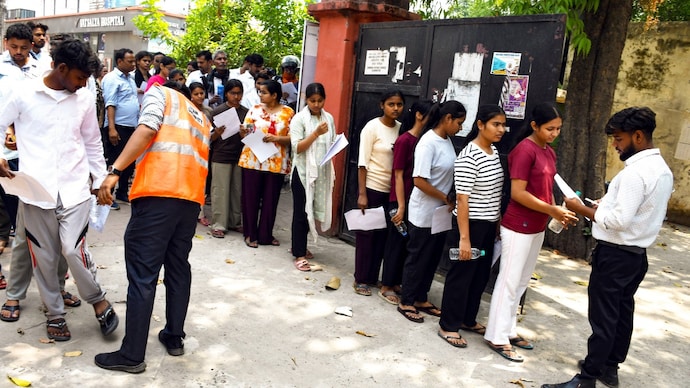

 The NEET-UG 2026 paper leak, that has forced a re-examination on some 2.2 million aspirants on June 21, is unfolding into a crisis far beyond academic future. Students are grappling with emotional exhaustion and uncertainty as they get back to preparation mode for the national medical entrance.
The hardest part is dealing with the constant anxiety of not knowing what awaits them next as months and years of studies have come to a nought. “The feelings of frustration and disappointment are completely valid as NEET 2026 extracted years of effort and sacrifice,” says Anil Nagar, founder and CEO of Adda 247, which provides online courses for entrance examinations.
Educators and counsellors believe the emotional response to the cancellation of the entrance will shape students’ ability to recover. The immediate challenge, they say, is preventing panic from overtaking routine.
Nagar argues that students must avoid linking a system-level disruption to personal failure. “Their preparation and potential remain unchanged,” he says. Instead of spiralling into panic-driven thinking, they should focus on restoring emotional balance and gradually rebuilding structure in their day.
That structure, experts insist, does not begin with 14-hour study sessions. “When learners face unclear situations, extra hours of studying tend to follow,” says Pradeep Jain, managing director of educational consultants Udaan 360. “A smarter plan focuses more on timing than volume.”
According to Jain, one of the biggest mistakes students make after such disruptions is swinging between extremes: either abandoning studies completely or pushing themselves into exhaustion out of fear. Neither works for long.
Instead, experts encourage aspirants to return slowly to preparation through familiar subjects and manageable goals. Revising strong topics first can help restore confidence before students begin tackling weaker areas again. Short study blocks, scheduled breaks and achievable daily targets are more sustainable than aggressive crash routines. “Progress happens quietly when effort stays steady but soft,” says Jain.
That idea of “steady effort” has become central to conversations around student mental health. Educators warn that burnout often arrives disguised as productivity. Students who spend entire days studying without sleep, movement or recovery may actually weaken retention, concentration and emotional stability.
The mental fatigue is also being amplified by the non-stop noise surrounding the controversy. Social media posts and conversations have created an atmosphere where students feel compelled to constantly monitor updates. Experts say this habit drains emotional energy.
“Excessive dependence on social media updates and rumours can increase stress and make it harder to stay focused,” says Nagar. Limiting exposure to unverified information and sticking to a fixed routine, he believes, can help restore a sense of control.
Sleep, too, is a critical issue. “When night rest is too short, thinking slows down,” says Jain. Regular sleep schedules improve memory, emotional regulation and accuracy during tests. Even small lifestyle habits, such as walking, stretching or stepping away from screens, can significantly improve concentration over time.
The emotional burden of the NEET crisis has exposed how deeply competitive exams can affect entire families. That is why experts say parents must now act as emotional anchors rather than performance monitors. “Additional pressure, comparisons or criticism can intensify stress,” cautions Nagar. What students need most right now, he argues, is reassurance and patience. Questions about ranks, study hours or future outcomes may unintentionally deepen fear and self-doubt.
Jain agrees. “Reassurance matters far more than demands on young minds,” he says. Sometimes just listening without immediately offering advice can help students feel less isolated.
Teachers and coaching institutes, too, have a stabilising role to play. Beyond academics, students now need mentoring that keeps them emotionally engaged and connected to routine.
For many aspirants, confidence has already taken a hit. Experts say rebuilding exam temperament will take consistency, not motivation alone. “Gradual progress brings back confidence more reliably than bursts of inspiration,” says Jain.
Revisiting familiar topics, solving moderate-level practice questions and reviewing previous improvements can slowly restore self-belief. Mock tests remain important, but experts caution against overdoing them. Endless testing without reflection may increase anxiety. Instead, students are advised to alternate between conceptual revision and carefully analysed mock exams.
At a deeper level, the NEET crisis has forced a broader conversation about the pressure of India’s high-stakes examination culture. When a single test becomes the gateway to professional dreams, disruptions like these can feel emotionally devastating. “This situation highlights how heavily students’ futures are tied to a single examination,” says Nagar.
The psychological pressure, he notes, extends far beyond students themselves and affects entire families. Experts insist that students must resist allowing this disruption to define their self-worth. Exams may shape opportunities, but they should not determine identity.
Subscribe to India Today Magazine