

Bindi, tilak, hijab all welcome: Lenskart releases new style guide after backlash
From jeans and shoes to hijabs and bindis, Lenskart's new rulebook lays everything out. But what exactly is allowed, what isn't, and how will the company enforce it after the backlash?
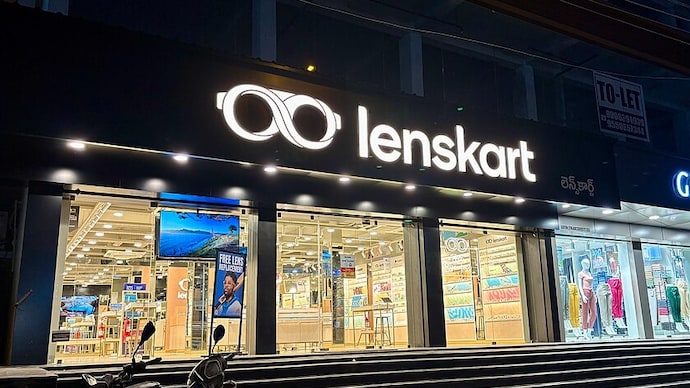


Days after issuing a public apology, eyewear retailer Lenskart has released a detailed in-store style guide declaring that symbols of faith and culture - from bindi and tilak to hijab and turban - are welcome across its outlets, while also laying down rules on uniforms, grooming and workplace conduct.
The document, now public, lays down specific rules on uniforms, grooming, accessories and workplace conduct, while stressing that diversity “is not just acknowledged but genuinely valued”.
In a statement on X, the company said that its aim is to create a “welcoming, trustworthy, and professional” store environment, adding that a clean and well-presented appearance reflects the care given to customers.
At the same time, it positions itself as a “proudly Indian company” that celebrates cultural diversity. The guidelines say professionalism and hygiene will go hand in hand with “fully respecting personal, cultural, and religious expression”.
NEW STYLE GUIDE RELEASED
The company has now standardised and publicly shared its in-store style guide, which explicitly allows employees to wear symbols of faith and culture.
“These guidelines explicitly and unambiguously welcome every symbol of faith and culture our team members carry — bindi, tilak, sindoor, kalawa, mangalsutra, kada, hijab, turban, and more. Not as exceptions. As who we are,” the statement read.
Reinforcing its identity, the company said, “Lenskart was built in Bharat, by Indians, for Indians,” adding that its network of over 2,400 stores is run by people who bring “their beliefs, their traditions, their identity to work every day.”
“That is not something we will ever ask anyone to leave at the door,” it said.
WHAT EMPLOYEES CAN WEAR
The guide permits Lenskart-issued T-shirts, clean and well-fitted clothing, and plain dark blue jeans in standard fits. Closed footwear in dark colours is mandatory, along with socks for hygiene.
Employees are allowed to wear minimal accessories, including cultural and religious items such as bangles, kalawa, mangalsutra, kada, and other symbols. Body markings like bindi, tilak and sindoor are also allowed, along with head coverings such as turbans and hijabs, as long as they are safe and suitable for store operations.
Hair and grooming must remain neat and work-appropriate, while personal hygiene, including clean clothes and oral care, is made compulsory.
WHAT IS NOT ALLOWED
The document bars torn, faded or heavily distressed clothing, non-approved colours during shifts, and large logos or distracting graphics. Open footwear, unsafe shoes, and overly flashy or noisy accessories are also restricted.
It also prohibits offensive imagery, discriminatory messaging, and body art that may be obscene or unsafe. Casual headwear that does not align with a professional environment is not permitted.
Strong body odour, excessively strong fragrances, or poor hygiene are listed as unacceptable, alongside grooming choices that may affect safety or customer interaction.
HR ESCALATION AND FAIR ENFORCEMENT
The company has built in a mechanism for employees to raise concerns. Staff can approach HR without fear of retaliation and seek reasonable accommodation for religion, culture, disability, pregnancy or medical needs.
The guidelines also caution against “unequal or discriminatory enforcement” and discourage subjective policing of appearance unless it relates to hygiene, safety or role requirements.
Any conflict between grooming rules and personal practices, the company says, should be escalated for resolution.
The detailed document follows the company’s earlier apology, where it admitted that internal communication may have caused discomfort among employees.