

Punjab launches menstrual health curriculum across 3,600 government schools
Punjab has begun a phased rollout of its menstrual health curriculum for girls in government schools across all 23 districts. Backed by teacher training and pilot feedback, the programme seeks to normalise period conversations in classrooms.
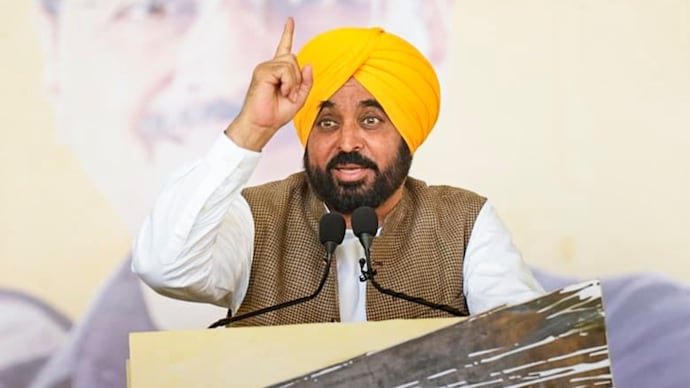


The Punjab government has launched a special menstrual health curriculum for adolescent girls studying in government schools, calling it one of India’s largest school-based menstrual health education initiatives.
On the occasion of Menstrual Hygiene Day on May 28, the state government announced the phased expansion of the ‘Menstrual Hygiene Curriculum’ across government high and senior secondary schools in all 23 districts of Punjab. The first session under the curriculum will be conducted on May 29.
According to an official statement, the initiative will directly benefit more than 3.4 lakh girl students from classes 6 to 10 studying in over 3,600 government schools across the state.
The government said the programme aims to address an issue that has traditionally remained surrounded by silence, hesitation, myths and social stigma.
The statement added that the programme aligns with the spirit of the Supreme Court of India’s observation recognising that menstrual health and hygiene are directly linked to dignity, education and equality for adolescent girls.
The Punjab government has launched the programme in collaboration with WASH United, an international non-profit organisation working globally on menstrual health education and awareness.
Under the initiative, schools will conduct special classroom sessions through a structured curriculum in Punjabi so that students can connect with the content in a relatable and comfortable manner.
The sessions use interactive storytelling centred around the curriculum’s main character, Ruby, a 10-year-old girl. The lessons focus on helping students understand menstruation and bodily changes, maintain hygiene, build confidence and self-esteem, and create supportive school and peer environments.
The government has already trained around 7,200 teachers across Punjab to conduct these sessions.
According to the statement, the programme follows a structured three-session intervention model that includes story-based learning and age-appropriate menstrual health education.
To prepare for the rollout, the government first trained around 100 state resource persons as Master Trainers. Authorities later organised cascade training sessions across districts to prepare teachers from thousands of government schools.
The government expanded the initiative after encouraging results emerged from a pilot programme conducted in more than 100 government schools across all 23 districts of Punjab. The pilot involved over 45,000 students.
According to findings shared by the Punjab government, 97 per cent of teachers involved in the pilot said they felt confident in delivering period education through the new curriculum, while 94 per cent recommended expanding the programme across the state.
The findings also showed that 88 per cent of teachers found the curriculum easier and more effective than previous approaches, while 80 per cent observed active participation by students.
Jaspreet Kaur, a teacher from Faridkot, said, “The Menstrual Hygiene Curriculum effectively breaks menstrual taboos by creating safe spaces for girls to ask questions and share experiences. The interactive approach using stories, games, and visuals makes learning relatable and reduces stigma. It definitely is a transformative tool for dignity and inclusion.”
Monika Sood, a teacher from Amritsar, said girls participated enthusiastically in the sessions and openly shared personal experiences about how menstruation is often treated inside homes and communities.
She said lack of awareness about menstrual hygiene can create several health-related challenges for adolescent girls.
Silvi, a teacher from Moga, said girls and even teachers who were earlier hesitant to speak about periods were able to discuss the topic openly and confidently during the sessions.
Students who participated in the programme also shared positive feedback.
A class 9 student from Sangrur said the sessions increased her confidence and helped her understand that periods are a normal biological process and not a disease.
Another student from Moga said she found the sessions engaging and discussed the learning experience with her mother at home.
A class 10 student said girls were able to speak freely during the sessions without shame because the curriculum made them feel comfortable and represented.