
AC blast safety tips: How to prevent air conditioner explosion at home
A summer safety advisory explains how electrical faults, overheating and gas leaks can trigger AC blasts or fires. It outlines maintenance, installation and emergency steps that can help households reduce the risk.
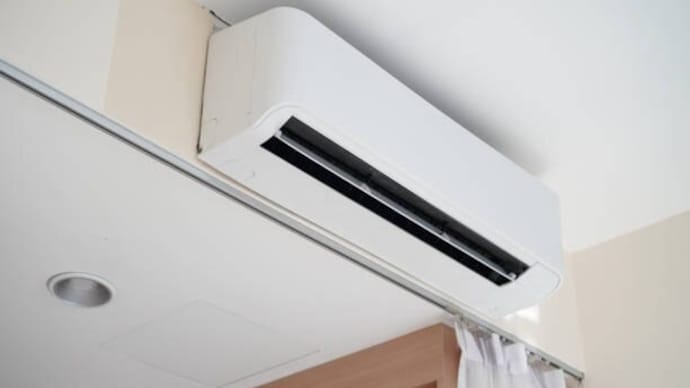

With rising summer temperatures, air conditioners have become essential in most homes. However, improper usage, poor maintenance, or electrical faults can sometimes lead to dangerous incidents like AC blasts or fires. Understanding the causes and following basic safety precautions can help prevent such risks and keep your home safe.
COMMON CAUSES OF AC BLASTS
Air conditioner explosions are rare but usually occur due to preventable issues, such as:
Electrical short circuits or faulty wiring
-
Overheating of compressor or internal components
Gas leakage or pressure build-up
Poor maintenance and clogged filters
Use of substandard or damaged parts
KEEP YOUR AC WELL-MAINTAINED
Regular servicing is the most important safety step.
Clean or replace air filters every few weeks
Schedule professional servicing at least once a year
Ensure coils and vents are free from dust and debris
Check refrigerant levels to avoid pressure issues
ENSURE SAFE ELECTRICAL CONNECTIONS
Electrical faults are one of the leading causes of AC accidents.
Use a dedicated power socket for your AC
Avoid loose wiring or overloaded circuits
Install proper earthing to prevent short circuits
Use voltage stabilisers if voltage fluctuations are common
CHECK FOR GAS LEAKS AND PRESSURE BUILD-UP
Refrigerant leaks can increase the risk of fire or explosion.
Watch for unusual smells or reduced cooling
Never ignore hissing sounds from the unit
Get leaks repaired immediately by a technician
AVOID OVERUSING YOUR AIR CONDITIONER
Continuous usage without breaks can overheat the system.
Turn off the AC periodically to let it cool down
Avoid running the AC at extremely low temperatures for long hours
Use timers or smart settings for better control
INSTALL THE AC PROPERLY
Improper installation can lead to serious safety hazards.
Always hire certified technicians
Ensure outdoor unit is placed in a well-ventilated area
Avoid installing near direct heat sources
WATCH FOR WARNING SIGNS
Your AC often gives early signs before a failure.
Strange noises or vibrations
Burning smell
Frequent tripping of circuit breakers
Sudden drop in cooling efficiency
KEEP THE SURROUNDINGS SAFE
Simple precautions around the AC unit can reduce risks.
Do not store flammable items near the outdoor unit
Keep children away from exposed wiring
Ensure proper ventilation around both indoor and outdoor units
WHAT TO DO IN CASE OF AN EMERGENCY
If you suspect a fault or overheating:
Switch off the AC immediately
Turn off the main power supply
Do not attempt DIY repairs
Call a professional technician
AC blasts are uncommon but can be dangerous if safety is ignored. Regular maintenance, proper installation, and mindful usage go a long way in preventing accidents. Staying alert to warning signs and acting early can ensure your cooling stays safe all summer long.