
Indian cities where 10 gm gold prices jumped from Rs 79 in 1947 to Rs 1.6 lakh in 2026
Gold prices in India have climbed sharply over the decades, rising from Rs 79 for 10 grams in 1955 to an estimated Rs 1.6 lakh in 2026. The surge reflects inflation, economic shifts, global uncertainty and stronger investment demand.
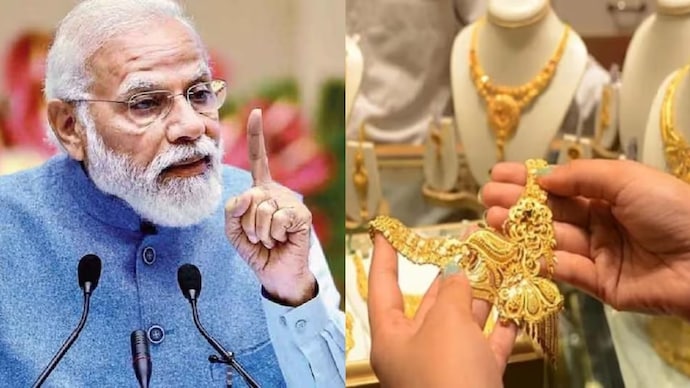

Gold has always held a special place in Indian households, not just as jewelry but also as a symbol of wealth, security, and tradition. Over the decades, the price of gold in India has witnessed a dramatic rise, reflecting changing economic conditions, inflation, global uncertainty, and increasing investment demand.
Gold is back in focus in India after the government sharply increased import duties on gold and silver, triggering a sharp rally in domestic prices and pushing many investors to reconsider how they buy the yellow metal.
From costing just Rs 79 for 10 grams in 1955 to crossing an estimated Rs 1.6 lakh in 2026, gold’s journey highlights how valuable the precious metal has become over time.
GOLD PRICES IN INDIA OVER THE YEARS
| YEAR | PRICE OF 10 GRAMS OF GOLD |
|---|---|
| 1955 | Rs 79 |
| 1960 | Rs 111 |
| 1970 | Rs 184 |
| 1980 | Rs 1,330 |
| 1990 | Rs 3,200 |
| 2000 | Rs 4,400 |
| 2005 | Rs 7,000 |
| 2010 | Rs 18,500 |
| 2015 | Rs 26,343 |
| 2020 | Rs 48,651 |
| 2022 | Rs 56,100 |
| 2023 | Rs 61,100 |
| 2024 | Rs 74,100 |
| 2025 | Rs 1,13,000 |
| 2026 | Rs 1,60,000+ |
WHY GOLD PRICES HAVE RISEN SO SHARPLY
Several factors have contributed to the sharp increase in gold prices over the years. Inflation has reduced the purchasing power of money, while gold has traditionally been viewed as a safer investment during uncertain economic periods.
Global crises, geopolitical tensions, currency fluctuations, and rising international demand have also pushed gold prices upward. In India, cultural demand during weddings and festivals further strengthens the metal’s market value.
ALSO READ: PM Modi's appeal to avoid buying gold for a year rattles ...
GOLD AS AN INVESTMENT
Gold is often considered a long-term financial safety net. Many Indian families buy gold not only for jewellery but also as an investment that can be passed down through generations.
Financial experts often describe gold as a “safe haven asset” because investors tend to turn to it during stock market volatility and economic instability. Over the years, its steady appreciation has reinforced this belief.
THE EMOTIONAL VALUE OF GOLD IN INDIA
Beyond economics, gold carries deep emotional and cultural significance in Indian society. It is associated with prosperity, celebrations, and family traditions. From weddings and festivals to inheritance and gifting, gold continues to remain an important part of Indian culture.
For many households, gold is not merely an ornament but a form of financial security that can support families during emergencies.
The rise in gold prices over the decades reflects both economic change and the enduring trust people place in the precious metal. What once cost less than Rs 100 for 10 grams has now become one of the most valuable investment assets in India. Despite changing financial trends and modern investment options, gold continues to shine as a timeless symbol of wealth, stability, and tradition.