
Fake Banarasi sarees are everywhere: Here's how to spot one
Shoppers are being urged to check weave, silk texture and zari work before buying a Banarasi saree. The distinction matters because authentic handwoven pieces support artisans and preserve textile heritage.
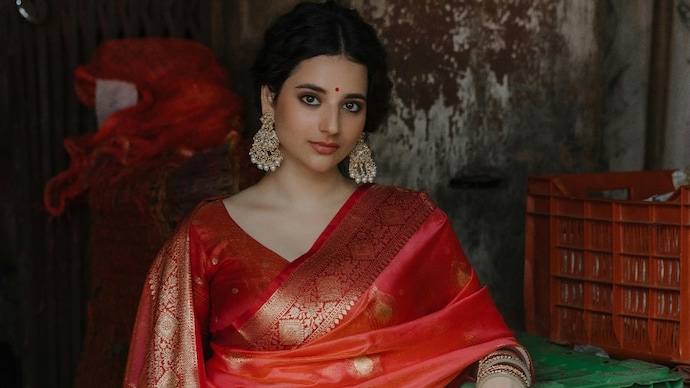

A Banarasi saree is often seen as a timeless investment. Known for its luxurious silk, intricate zari work, and heritage weaving techniques, it remains one of India’s most celebrated traditional garments. But with machine-made copies and synthetic replicas becoming increasingly common, identifying an authentic Banarasi saree has become challenging for many buyers.
From bridal shopping to festive purchases, understanding the difference between a genuine Banarasi saree and a fake one can help shoppers make informed decisions and appreciate the craftsmanship behind the weave.
THE WEAVE TELLS THE REAL STORY
One of the clearest signs of an authentic Banarasi saree lies in its weaving. Traditional Banarasi sarees are handwoven, which means the patterns and motifs often have slight irregularities that reflect manual craftsmanship.
Machine-made versions usually appear too perfect and uniform. The reverse side of a real Banarasi saree may show loose threads and detailed weaving patterns, while synthetic copies tend to look overly polished on both sides.
GENUINE SILK FEELS DIFFERENT
Pure Banarasi silk has a rich texture and natural softness without feeling slippery or plastic-like. The fabric usually drapes heavily and elegantly because of the density of the weave and zari work.
Fake sarees made with artificial fibres often feel unusually light, stiff, or overly shiny. Experts say authentic silk also reacts differently to light, giving off a subtle sheen instead of a loud glossy finish.
ZARI WORK IS A MAJOR CLUE
Traditional Banarasi sarees are famous for their intricate zari detailing. In genuine pieces, the zari appears refined and woven seamlessly into the fabric rather than pasted or embroidered superficially.
Cheap imitations often use metallic-looking plastic threads that appear extremely bright or glittery. Real zari generally has depth, texture, and a softer metallic glow.
HANDMADE SAREES TAKE TIME
An authentic Banarasi saree is not mass-produced overnight. Depending on the complexity of the design, a single saree can take several weeks or even months to complete.
That craftsmanship is reflected in the price. Extremely cheap “pure Banarasi silk” sarees sold online or in local markets may often be powerloom-made replicas rather than genuine handwoven pieces.
LOOK FOR TRUSTED SELLERS AND CERTIFICATIONS
Buying from reputed handloom stores, certified silk sellers, or directly from weaving communities can reduce the chances of purchasing fake products.
Some authentic Banarasi sarees also carry silk certifications or geographical indication tags that connect them to traditional weaving clusters in Varanasi. While labels alone are not enough proof, they can offer added assurance when combined with careful inspection.
WHY AUTHENTIC BANARASI SAREES MATTER
Banarasi weaving is not just fashion; it is part of India’s textile heritage. Every genuine saree represents hours of skilled labour, generational artistry, and traditional techniques preserved over centuries.
Choosing authentic handwoven Banarasi sarees helps support artisans and keeps one of India’s oldest weaving traditions alive in an era dominated by fast fashion and machine-made imitations.