
What is Special Intensive Revision (SIR)? Full guide for voters
The Election Commission's Special Intensive Revision (SIR) is a large voter verification drive aimed at cleaning electoral rolls. Here's what SIR means, why it matters and what voters need to do.
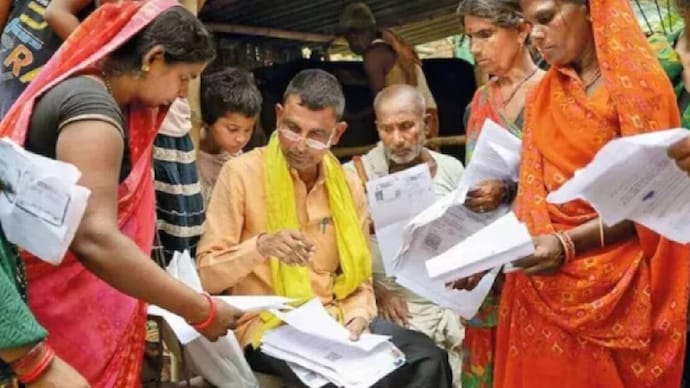

The Election Commission of India (ECI) has started a large-scale voter verification exercise called the Special Intensive Revision, or SIR. The process has already been rolled out across several states and Union Territories and is expected to cover crores of voters. While many people are hearing the term for the first time, SIR is essentially a detailed clean-up of electoral rolls.
The ECI says the exercise is needed because regular yearly revisions are no longer enough to fix duplicate, outdated or incorrect voter records that have built up over the years.
WHAT IS SPECIAL INTENSIVE REVISION?
SIR is a detailed revision of voter lists carried out by the Election Commission when routine summary revisions are considered insufficient. Unlike regular annual updates, this process involves house-to-house verification, pre-filled forms, online submissions and fresh checks of older voter data.
The Election Commission gets the authority to conduct such revisions under Article 324 of the Constitution and Section 21 of the Representation of the People Act, 1950.
WHY IS THE ECI CONDUCTING SIR NOW?
According to the ECI, voter lists have collected errors over the past two decades because India has not had a nationwide house-to-house intensive revision since around 2002-2004.
The revision aims to identify:
- Duplicate voter registrations
- Names of dead or shifted voters
- Incorrect or outdated records
- Multiple registrations by the same voter
The Election Commission says the goal is to create cleaner and more accurate electoral rolls before upcoming elections in several states.
WHAT HAPPENS DURING THE SIR PROCESS?
During SIR, Booth Level Officers (BLOs) visit homes and provide pre-filled enumeration forms to voters. These forms usually contain existing details such as:
- Name
- EPIC or voter ID number
- Address
- Assembly constituency details
- Existing photograph
Voters are expected to verify the information, make corrections if needed and submit updated details.
One major addition in recent SIR drives is 'legacy linkage', where voters may be asked to connect their records with older electoral rolls or family voter details from earlier revisions.
WHAT DOCUMENTS MAY BE REQUIRED?
Depending on the revision process in a state, voters may need documents such as:
- Birth certificate
- Passport
- Educational certificates
- Government-issued identity cards
- Residence certificates
- Existing voter ID details
The ECI has clarified that Aadhaar can be submitted for deduplication purposes but is not proof of citizenship.
WHAT SHOULD VOTERS DO?
Voters should not ignore visits or notices related to SIR. Experts suggest taking these basic steps:
- Verify all details on the pre-filled form
- Submit corrections quickly if anything is incorrect
- Keep copies of submitted forms and receipts
- Check draft electoral rolls once published
- File claims or objections if names are missing
The ECI has also allowed online form submission in many areas, though physical verification may still happen later.
WHY THE PROCESS HAS BECOME IMPORTANT
The Special Intensive Revision has become a major political and administrative issue because it directly affects voter rolls ahead of elections.
Supporters say the process improves electoral accuracy, while critics in some states have raised concerns about timing, implementation and possible exclusion errors.
Still, election officials have repeatedly said that genuine voters should not panic and that the exercise is intended to improve the accuracy of electoral data rather than remove eligible citizens from the rolls.