
Sundar Pichai says AI anxiety is understandable, but students will find new opportunities
Ahead of his Stanford commencement speech, Google CEO Sundar Pichai says students are right to be anxious about AI's impact on jobs and the economy. However, he believes the next generation will adapt, create new opportunities and help shape the technology's future.
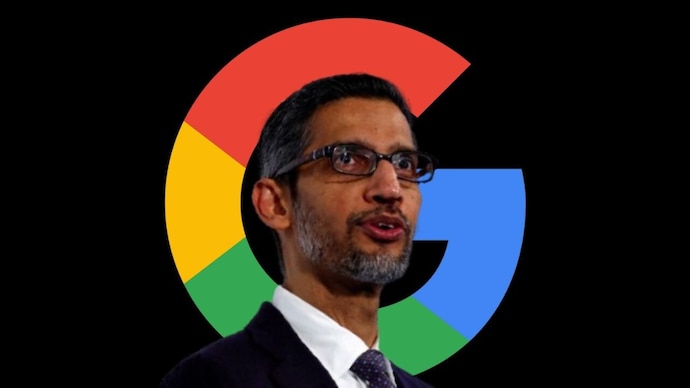

How do you talk about artificial intelligence to a crowd of graduates worried it could take their jobs? That's a challenge many commencement speakers have faced recently, including former Google CEO Eric Schmidt, who was recently booed by students at the University of Arizona while discussing the technology. Now, current Google CEO Sundar Pichai could face similar scepticism as he is set to deliver Stanford University's commencement address next month. But Pichai appears to have an anti-boo strategy already in place.
The Google chief says he understands the anxiety many students feel about AI and believes those concerns are justified. But he says he is optimistic that the next generation will adapt, find new opportunities in an AI-driven world and help shape the future of technology.
Speaking recently on the Hard Fork podcast, Pichai acknowledged that anxiety surrounding AI is natural given the scale and speed of the technological shift.
"People rightfully are anxious about what is the future that this technology will bring," he said, adding: "I understand it." Pichai described AI as "the most profound technology humanity will ever work on" and said it is only natural for people to feel uneasy about such a transformative shift.
He added that humans are not naturally equipped to process change happening at such a rapid pace and that concerns about jobs and economic security are understandable. "People are anxious about their economic future in this world. You have a lot of conversations where people are saying jobs are going to radically change, some of them will go away," Pichai said.
According to Pichai he does not share the most pessimistic forecasts. However, he stressed that governments, companies and society must take the disruption seriously. As for what he plans to tell Stanford graduates, Pichai said today's students will play a unique role in the AI era. "I've always been extraordinarily optimistic about the next generation," he said.
According to Pichai, graduates will not only experience the effects of AI but will also help shape its future. "These graduates are actually both going to be a big part of driving that progress and also dealing with the impact of that technology," he said.
Pichai argued that every generation faces major technological and social challenges and eventually adapts. "The next generation rises to the challenge and builds a better world.”
The optimism of Google boss is rooted in the belief that AI will expand human capabilities rather than simply replace workers. He compared AI's impact to the arrival of spreadsheets, which fundamentally changed how people performed financial analysis. According to Pichai, AI will create a new baseline of skills and productivity, allowing more people to perform tasks that previously required specialised expertise.
At the same time, Pichai stressed that technological progress inevitably brings disruption. He said conversations about job displacement and economic change are both valid and necessary. Yet he believes the public debate often overlooks AI's potential benefits and focuses too heavily on worst-case scenarios, even as concerns about the technology continue to grow.