
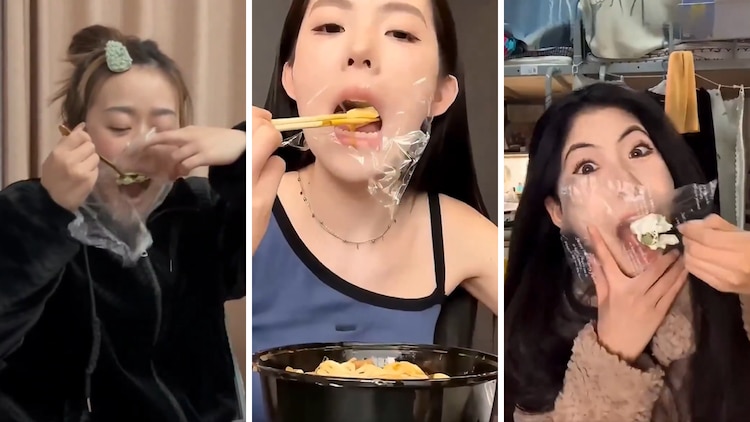
Why China's plastic-eating weight loss trend is as toxic as it sounds
While many people experiment with different diets to shed a few kilos, some in China are taking it to an extreme by eating plastic for weight loss.
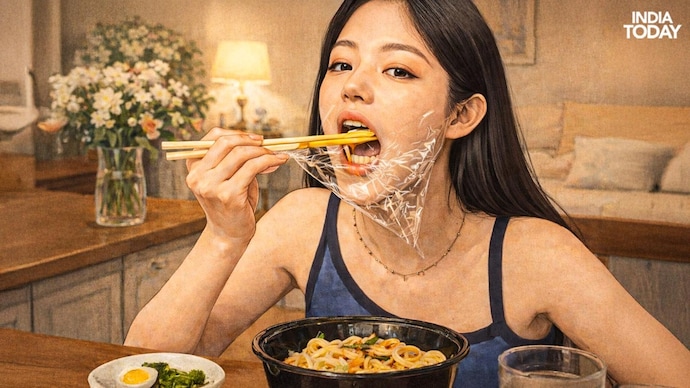
China's plastic-eating weight loss trend is deeply problematic | Photo: Generative AI

New Delhi,UPDATED: Apr 23, 2026 15:13 IST
No matter your body size, many of us grow up believing we should lose weight. Isn't that how we have been conditioned? Social media, with its endless stream of diets and trends, only adds more fuel to the fire.
From intermittent fasting to the carnivore diet, there is no shortage of methods people try in the hope of shedding a few kilos. But one weight-loss trend growing popular in China has taken things to an alarming extreme. People are apparently "eating plastic" to lose weight.
Yes, the plastic-eating weight-loss trend is as bizarre as it sounds. So, what exactly is it? People place a thin piece of plastic in their mouths before putting food in. They then chew the food, keep it in their mouth for a while, and take it out with the plastic instead of swallowing.
The idea is to trick the brain into feeling like they have eaten, while consuming little to no food, all in the name of weight loss.
This trend is based on the idea of feeling full without actually eating. But what many people may not realise is that, in the name of weight loss, they are intentionally putting microplastics into their bodies instead of the nutrients they actually need.
And while such an extreme diet may lead to short-term weight loss, according to Edwina Raj, head of services – clinical nutrition and dietetics, Aster CMI Hospital, Bengaluru, it does not lead to real or healthy weight loss, since your body is not burning fat properly and is instead losing water, muscle, and essential nutrients, which can slow metabolism and make you weaker over time.
"Once normal eating resumes, weight often returns quickly, sometimes even more than before," Raj tells India Today.
Meanwhile, it is also important to understand how the feeling of fullness can trick the brain.
Raj explains that the feeling of fullness, known as satiety, can influence the brain during dieting because it is shaped by more than just calorie intake. It also depends on how much the stomach stretches, how slowly we eat, and how hormones such as leptin and ghrelin send signals of hunger and satisfaction to the brain.
This is why foods rich in fibre, protein, or water can make us feel full faster and for longer despite having fewer calories. On the other hand, highly processed or sugary foods may be calorie-dense but often fail to keep us satisfied, leading to overeating.
However, tricking the brain is not the real issue here. This particular trend is toxic for several reasons. It may seem like a shortcut to weight loss, but it can seriously harm both the body and mind.
For starters, chewing food through plastic wraps can expose the body to microplastics or harmful chemicals that may mix with saliva. There is also the obvious danger of choking or suffocation.
More importantly, it does not truly solve hunger. Real fullness comes when the stomach receives and digests food. Chewing alone may create temporary satisfaction, but hunger is likely to return soon after.
This trend can also lead to nutrient deprivation. Replacing proper meals with such practices means missing out on protein, vitamins, fibre, and energy that the body needs to function well. Over time, this can weaken the body and reduce overall health.
And, your mental health is at stake, too.
Raj points out that trends like this promote unhealthy and extreme ideas about weight loss, creating pressure to look a certain way. This can trigger anxiety, low self-esteem, and constant stress about body image.

Relying on harmful methods instead of proper nutrition may also create fear around normal eating and increase the risk of disordered eating habits. At the same time, when the body is undernourished, your mood can suffer too, leading to irritability, sadness, fatigue, and poor concentration.
Instead of building confidence or healthy habits, this trend can gradually damage emotional well-being and create a negative relationship with food that may take a long time to heal.
To put it simply, your diet should not include chewing on plastic and weight loss should not need to feel like a science experiment gone wrong. Remember that your body is not asking for tricks; it is asking for real food in a balanced way.
- Ends