
Revolution revisited
An accurate, well-documented narrative of the movement, but monochromatic in the telling.
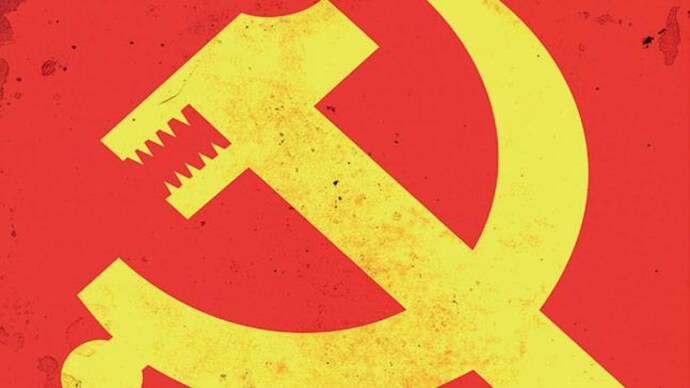
Illustration by Anirban Ghosh

ISSUE DATE: Jun 27, 2016 | UPDATED: Jun 21, 2016 13:29 IST


Frank Dikotter likes to shock. In Narcotic Culture: A History of Drugs in China (2004), he argued that the eradication of opium use in China after the Communists came to power in 1949 did the country more damage than its consumption. In this book, the third and most recent volume of his 'people's history' of China after 1949, he does not have to stretch his argument quite so far in order to shock. There is enough that is unique, barbaric and shocking in Cultural Revolution China for Dikotter to only have to catalogue and narrate the facts for the reader to be engrossed and appalled.
