
Get 37% off on an annual Print +Digital subscription of India Today Magazine

SUBSCRIBE

70s policies and 70s growth: Revive investments and cut back on public expenditure for reforms to be effective

The 2003-07 high-growth years witnessed high savings/investment and both have been crowded out by unproductive public expenditure.
Advertisement
70s policies and 70s growth: Revive investments and cut back on public expenditure for reforms to be effective
Budget 2013-14 will be about three sets of five point something numbers.

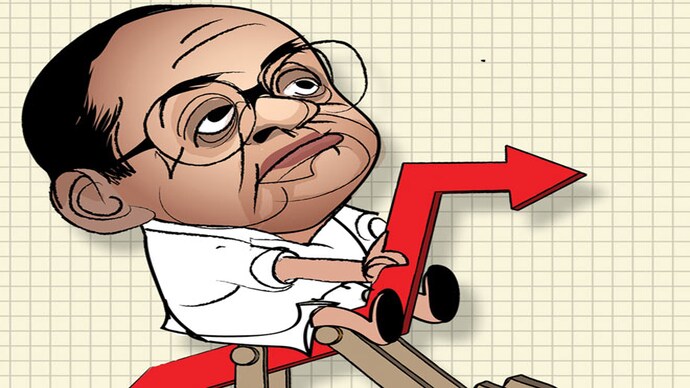
Budget 2013-14 will be the last budget before elections. Governments reform in infancy and resort to profligate populism in mature years. UPA 2 has turned conventional wisdom on its head and sought to create an impression of reform flurry in the last few months. There was talk of 100-day plans in 2009. But they evaporated into thin air. What's the core constraint? The 2003-07 high-growth years witnessed high savings/investment and both have been crowded out by unproductive public expenditure. There is a clear correlation between fiscal consolidation and growth. Add to it problems of forest/environmental clearances and land acquisition, compounded by executive non-decision-making. Coalition politics and legislative logjam may seem like a plausible red herring, but misses the point, as does any attempt to pin blame on RTI. If nothing else, that doesn't explain why the Cabinet doesn't function. Reforms need to have a simple 2-point agenda: Revive investments and slash public expenditure. Tinkering with FDI in retail/pensions/insurance may gladden hearts of foreign investors and rating agencies, but it does not solve either issue.

advertisement
Bibek Debroy
Bibek Debroy
Budget 2013-14 will be about three sets of five point something numbers. First, there is growth, trotting along at around 5.5 per cent. Blaming this on Greece/Mali or wishful thinking about inevitable revival will not restore the canter of 9 per cent. Nine per cent is needed to make a dent on poverty/unemployment. Angst on the streets isn't only about sexual crimes and corruption, but also about slowdown of growth and fading of economic opportunities. Budget figures are couched in nominal growth terms, without separating real growth and inflation. Virtually every budget projects a nominal growth of 14.5 per cent. This one will probably be no different, rooting for real growth of 7.5 per cent and inflation of 7 per cent. Second, there is an inflation number which ideally the Government would like to be 5 point something. That's a pipe dream. Non-reform of agriculture makes agro production inelastic. Investment constraints make manufacturing supply inelastic too and high input costs don't help. Government has little control over imported inflation. Finally, there is inadequate appreciation that public expenditure pumps liquidity into the system, contributing to inflation.