
Vijay, Rajinikanth, MGR: India's love affair with celebrity worship
Why does India turn its film stars into gods? From women writing letters in blood for Rajesh Khanna to temples built for Rajinikanth and Vijay, this is the story of how celebrity worship in India blurred the line between fandom, faith and political power.

The making of India's dangerous God-obsession with stars (Photo: India Today)

New Delhi,UPDATED: May 16, 2026 18:04 IST
Rajesh Khanna had women writing him letters in blood. Dev Anand reportedly caused near-stampedes during his peak years. Shah Rukh Khan's Raees train promotion in Vadodara ended in tragedy after a fan died in the chaos outside the station. In Tamil Nadu, temples have been built for stars like Rajinikanth and Vijay, while MGR and Jayalalithaa (Tamil Nadu), Puneet Rajkumar (Karnataka), NTR (Andhra Pradesh) transformed cinematic devotion into political power powerful enough to rule the state.
India has always loved its stars intensely and at some point, turned this admiration into devotion.
Fans just stopped celebrating celebrities and began worshipping them. They performed aartis before film releases, poured milk over giant cut-outs, framed photographs inside homes, cried outside hospitals, shaved their heads after deaths, and eventually voted their screen heroes into office. In some cases, the line between cinema and public life disappeared so completely that the actors stopped being seen as an entertainer altogether. They became moral figures, saviour and, for many, almost divine.
The culture exists across India in different forms. Hindi cinema witnessed unprecedented hysteria around stars like Rajesh Khanna and Dev Anand decades before we invited social media into our lives. Stories about women marrying photographs of Rajesh Khanna became part of Bollywood folklore, while Dev Anand's charm reportedly sent crowds into frenzy wherever he appeared.
One of the earliest modern examples of this emotional hysteria unfolded around Amitabh Bachchan in 1982 during the filming of Coolie. After the actor suffered a near-fatal injury on set, the country collectively seemed to stop and pray. Crowds gathered outside hospitals, temples organised special prayers, fans fasted for his recovery and newspapers carried constant health updates as if the nation was tracking a political crisis or royal emergency.
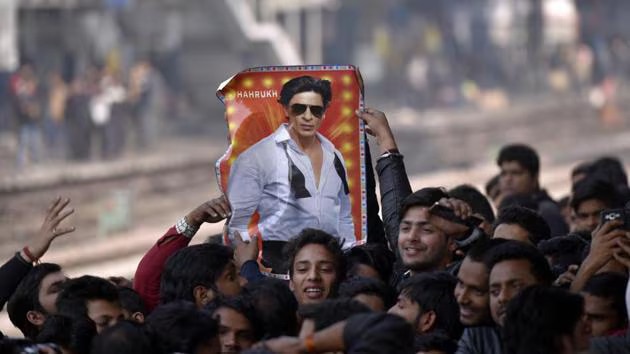
In fact, this celebrity obsession in the North even spiralled into dangerous territory a few years back. During Shah Rukh Khan's promotions for Raees in 2017, thousands gathered at the Vadodara railway station to catch a glimpse of the actor as he travelled by train. The crowd became unmanageable, and a man died in the chaos. The incident was disturbing not simply because it involved a film promotion, but because it revealed the sheer scale of emotional investment audiences place in stars.
Tamil Nadu may have perfected the conversion of cinema fandom into a political capital, but the emotional infrastructure of star worship exists across southern India -- from Karnataka's mourning for superstar Puneeth Rajkumar to Andhra and Telangana's dynastic devotion to the legacy of NT Rama Rao, and Kerala's near-religious reverence for Mohanlal and Mammootty.
In Karnataka, Puneeth Rajkumar's death in 2021 triggered scenes of public grief rarely witnessed for an actor. Massive crowds flooded Bengaluru streets, fans reportedly fainted during funeral processions, and several deaths linked to shock and grief were reported across the state. For many Kannadigas, the mourning felt less like the passing of a celebrity and more like the loss of someone deeply personal.
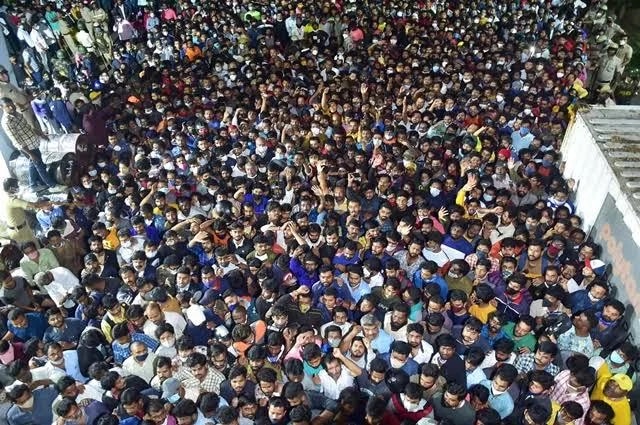
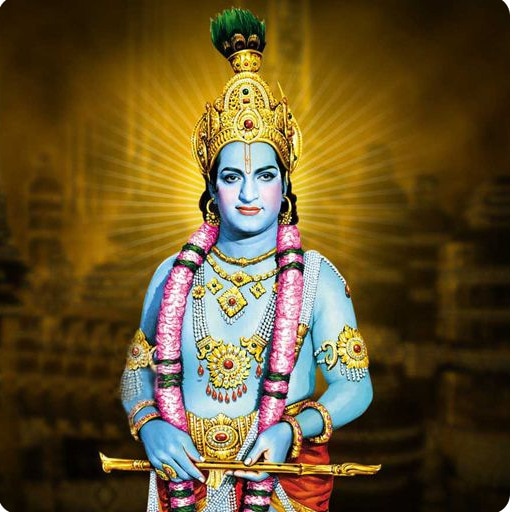
In Telugu cinema, fandom has historically carried an even sharper political edge. NTR transformed screen popularity into political legitimacy long before celebrity politics became a national talking point. Even decades later, his image continues to dominate political memory across Andhra Pradesh and Telangana. The frenzy surrounding stars like Chiranjeevi, Pawan Kalyan and Jr NTR continues to show how fandom in the Telugu states regularly spills beyond cinema halls into identity and political mobilisation.
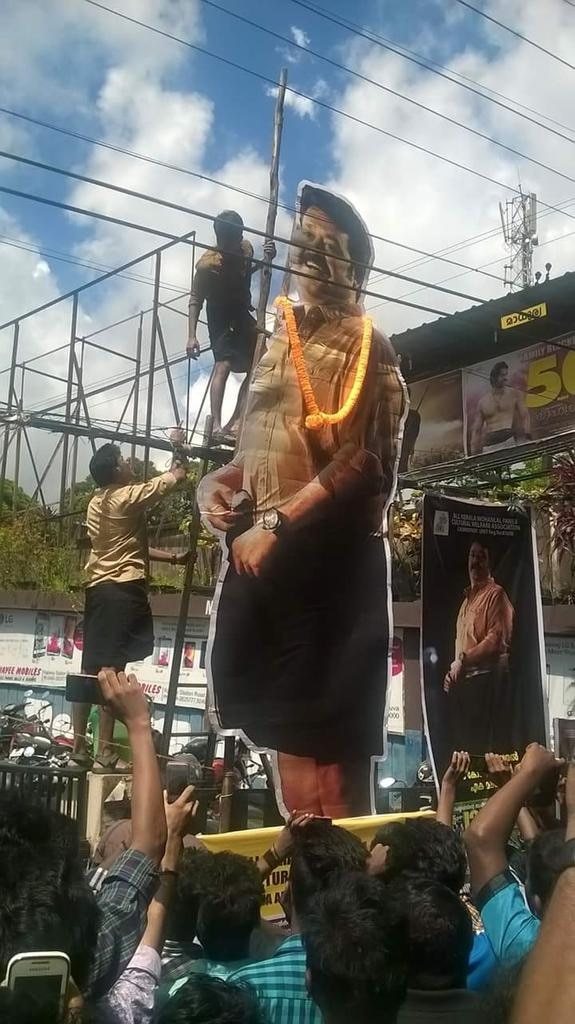
Kerala presents a subtler version of the same phenomenon. The superstardom surrounding Mohanlal and Mammootty may not always translate into electoral politics, but it still operates with remarkable emotional intensity. From giant cut-outs and fan associations to online fan wars and celebratory rituals around film releases, Malayalam cinema too has cultivated stars who function as cultural institutions rather than just actors.
But nowhere has celebrity devotion merged with politics as completely as it has in Tamil Nadu.
Tamil Nadu, for example, is the land of giant fan clubs that function like welfare networks, of actors whose cut-outs receive milk abhishekams, of political campaigns powered by cinema loyalty, and of stars who become Chief Ministers. The emotional intensity surrounding Tamil cinema has produced some of India's most fascinating public figures - from MGR and Jayalalithaa to Rajinikanth and now Vijay.
A few months ago, while reporting on how Vijay's fan clubs had transformed into political machinery during Tamil Nadu elections, one name repeatedly surfaced during conversations with supporters: Gurumoorthy.
A fan organiser, Gurumoorthy was among those associated with the fan group behind a temple dedicated to Vijay in Tamil Nadu. The structure quickly became a point of curiosity online, with many outside the state reacting to it with disbelief. But inside Tamil Nadu, the idea did not feel entirely unusual.
That is because star worship here has never been only about cinema.
Tamil stars have, for long, occupied emotional spaces usually reserved for political leaders, family elders and, at times, even religious figures. Their films shape moral imagination. Their dialogues become political language and public appearances resemble pilgrimages. Gurumoorthy told India Today that fandoms are not just about praising their favourite star, or showing up for him in theatres. "It also includes performing social work, organising blood donation drives, distributing food during crises and mobilising communities during elections," he said.
This is when an actor - a distant star - stops feeling distant. They become part of everyday emotional life.
Vijay: From superstar to political force
Vijay's rise is perhaps the clearest contemporary example of how celebrity devotion transforms into political mobilisation. Years before he formally entered politics, Vijay's fan clubs were already functioning like an organised network on the ground. During reporting for our earlier piece on TVK's rise, supporters described spending days coordinating welfare activities, managing crowds, mobilising local communities and running social media campaigns in support of the actor.
One supporter described the work as "responsibility" rather than fandom. Another said Vijay understood ordinary people "better than politicians do." Those responses revealed something important: That for many supporters, Vijay had already moved beyond entertainment.
His films played a significant role in constructing this image. Over the years, Vijay repeatedly portrayed the righteous outsider fighting corrupt systems, protecting students and standing up for the common man. Audiences consumed these stories not merely as fiction but as extensions of the actor's real personality.
Tamil cinema has historically blurred the line between screen image and public identity more aggressively than most industries in India. Fans often see moral continuity between the hero on screen and the man outside it. When that emotional belief becomes widespread enough, political transition starts to feel natural.
That is exactly what happened with Vijay. By the time he formally stepped into politics, many fans had already emotionally accepted him as a leader.
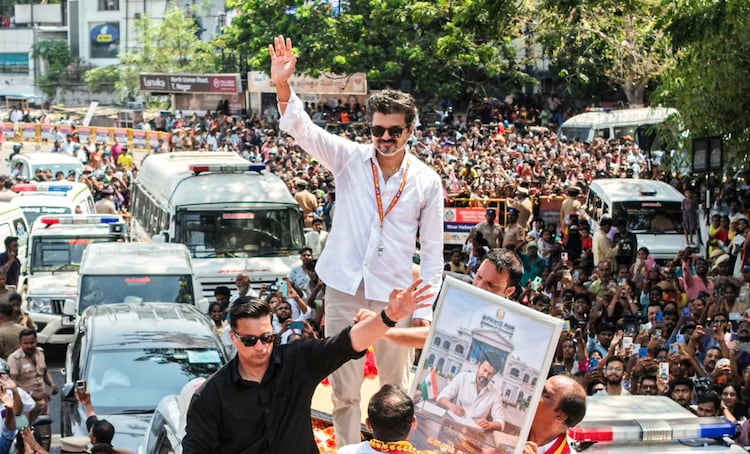
The frenzy surrounding Vijay in recent years has also occasionally exposed the dangerous edge of mass devotion. During one of the actor's visits to Karur amid rising political excitement around TVK, massive crowds gathered to catch a glimpse of him, leading to chaotic scenes, a stampede and reports of injuries and deaths during the uncontrolled rush. Videos from the event showed supporters climbing structures, pushing through barricades and screaming simply to see the actor for a few seconds.
The atmosphere turned more into a pilgrimage site overwhelmed by devotees.
The temple dedicated to Vijay is an extension of that emotional logic. In fact, in a video that recently went viral, a fan was seen lying flat outside Vijay’s residence, right in front of the actor’s towering brown gates, almost as if standing at the entrance of a sacred shrine. The visual may appear extreme to outsiders, but in Tamil Nadu's long history of star worship, it is neither new nor particularly surprising.
To outsiders, it may appear excessive. But within the ecosystem of Tamil fandom, it represents the highest form of loyalty and gratitude.
Rajinikanth and the making of mythology
If Vijay represents the political future of Tamil stardom, Rajinikanth represents its mythological peak.
Very few actors in India have inspired the kind of devotion Rajinikanth commands. For decades, his films have generated celebrations that resemble festivals more than movie releases. Fans gather outside theatres before dawn, burst firecrackers, dance to drum beats and perform milk abhishekams on towering cut-outs of the superstar.
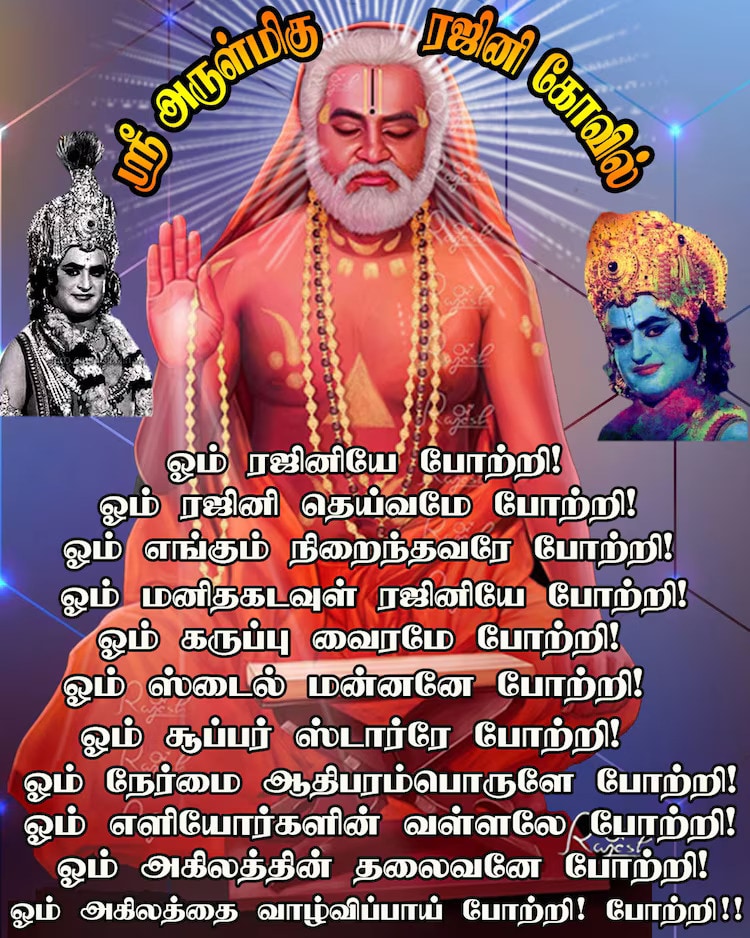
In Madurai, a Rajinikanth fan named Karthik built a temple-like shrine for the actor inside his home. The family reportedly performs rituals there regularly and treats Rajinikanth with the reverence usually reserved for deities.
A glimpse of the Rajinikanth Shloka that Karthik and others use to chant to pray to the Superstar:
The phenomenon is extraordinary, but it is also revealing.
Rajinikanth's popularity was never based only on superstardom. It was also built on symbolism. His public image gradually evolved into something larger than cinema - a figure associated with humility, spirituality and philosophical simplicity. Stories about his spiritual retreats and grounded lifestyle strengthened this perception over the years.
MGR and Jayalalithaa: Becoming political power
The roots of this culture, however, go back much further. MG Ramachandran had already changed the relationship between cinema and politics forever when Vijay or Rajinikanth dominated the Tamil imagination.
MGR carefully cultivated an on-screen image centred around justice, generosity and protection of the poor. His films repeatedly presented him as the moral hero who stood up against exploitation and corruption. Audiences embraced this image with extraordinary sincerity.

When MGR entered politics, people did not see him as a newcomer. For many supporters, they already knew him or at least they believed they did. The emotional trust built through cinema translated directly into political credibility. His fan clubs became political networks and his popularity helped him emerge as one of Tamil Nadu's most influential leaders. Same formula, different name.
Jayalalithaa inherited and transformed that model later.
Already a major film star before entering politics, she eventually became one of the most powerful political figures in the state. But what made Jayalalithaa remarkable was the emotional language built around her image. She was not seen as a Chief Minister. She became "Amma."
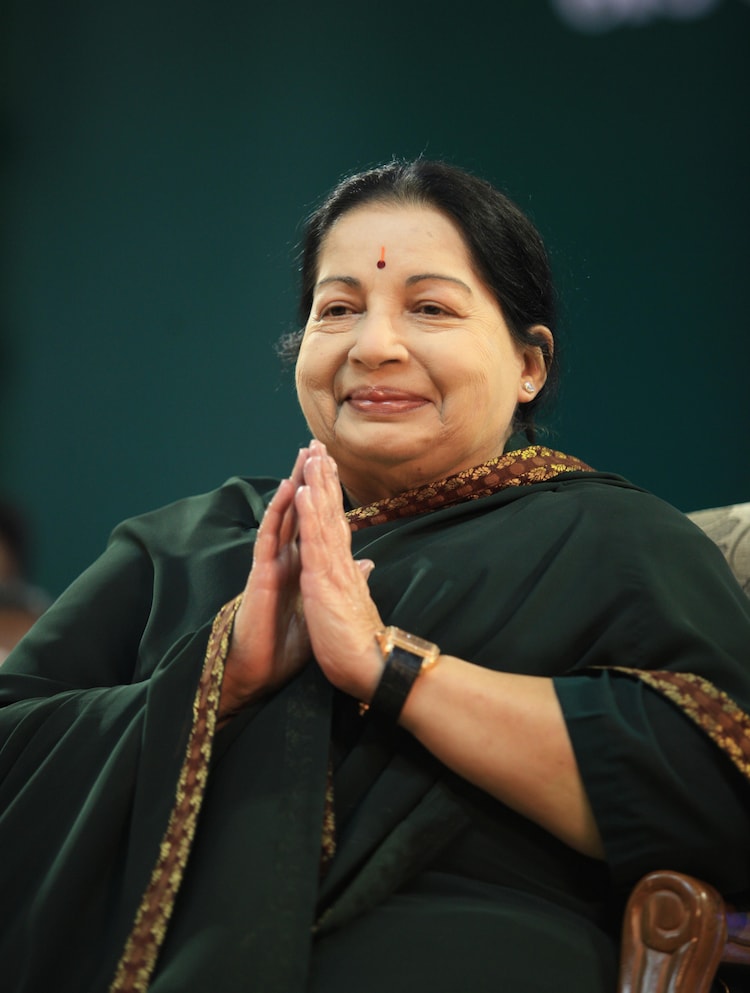
The maternal identity reshaped political loyalty into emotional attachment. Supporters framed her photographs in homes, wept publicly during her illness and treated her welfare schemes as expressions of personal care. The public response after her death revealed the depth of this attachment. Reports emerged of supporters harming themselves in grief, while massive crowds gathered to mourn her.
Once again, the structure of devotion looked strikingly similar to religious mourning.
Why does India turn celebrities into gods?
Cinema in India has always functioned as emotional escape as much as entertainment. For generations dealing with financial hardship, social inequality, unemployment and political disappointment, film heroes offered certainty and hope. The hero has always defeated corrupt systems. They have protected dignity and also spoken for ordinary people.
Over time, audiences began associating those values with the actor himself.
There is also a cultural aspect unique to India's relationship with public figures. The country has always been deeply comfortable with hero worship. Cricketers become national symbols, politicians become parental figures and actors become moral authorities.
Social media has intensified this tendency even further today. Fan clubs now operate like digital armies. Online criticism is treated as personal attack and defending celebrities has become a form of identity performance.
The star no longer feels inaccessible but woven into community life.
The danger of devotion
There is, however, a troubling side to this culture. Hero worship becomes dangerous when accountability disappears, when celebrities are elevated to near-divine status and criticism starts becoming unacceptable.
And yet, reducing all fandom to blind obsession would also ignore the larger truth.
You could also look at it this way: People often turn stars into saviours when institutions fail to inspire trust. Larger-than-life personalities become emotional substitutes for systems that feel distant or disappointing.
Cinema gives faces to aspiration. Politics gives those faces power.
And India, maybe more than most other societies, has always searched for figures strong enough to believe in. We are a country that repeatedly turns public figures into symbols of hope. Sometimes these symbols take over giant movie posters, and sometimes they end up in the Chief Minister's office.
- Ends