Rajpal Yadav reacts to Nawazuddin’s praise
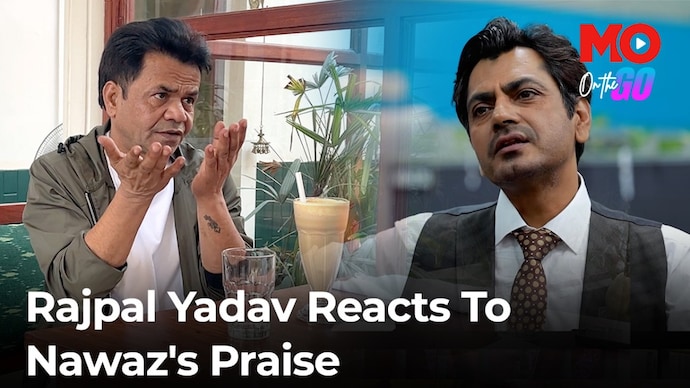
Watch how Rajpal Yadav reacted to Nawazuddin Siddiqui praising him for helping fellow actors during their struggling days in Mumbai.

Huge uproar broke out in both Houses of the Parliament over Congress leader Rahul Gandhi's "rape in India" remark and the unrest in Northeast over the amended citizenship law.
In the Lok Sabha, Arjun Ram Meghwal, the junior minister for parliamentary affairs, said the Congressman should apologise for his remarks. Meanwhile, Rahul Gandhi said he won't apologise for his remarks and attacked PM Modi for his silence on a former BJP leader's involvement in a rape case.
So, as the big fight continues, we ask was Rahul Gandhi's use of rape metaphor inappropriate? Watch as panelists debate.
Watch how Rajpal Yadav reacted to Nawazuddin Siddiqui praising him for helping fellow actors during their struggling days in Mumbai.
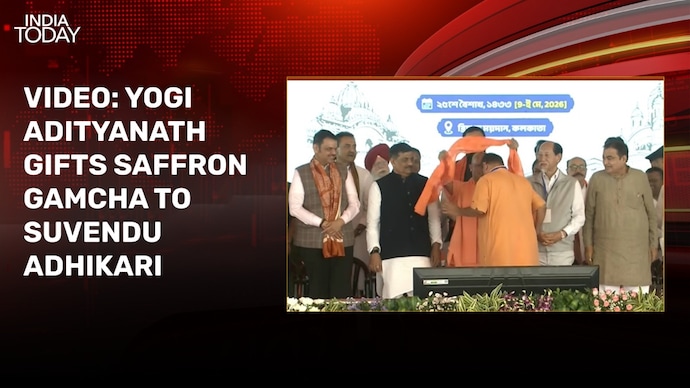
Yogi Adityanath on Saturday presented a saffron gamcha to Suvendu Adhikari, shortly after the latter took oath as the first BJP Chief Minister of West Bengal. The crowd also erupted into a loud cheer as the scene unfolded at the swearing-in ceremony in Kolkata. This was at least the second such instance in recent weeks when the duo's bonhomie was witnessed publicly. Earlier, during the election campaign in the state, a powerful scene was witnessed when Adhikari bowed down at the feet of the UP Chief Minister as a mark of respect.
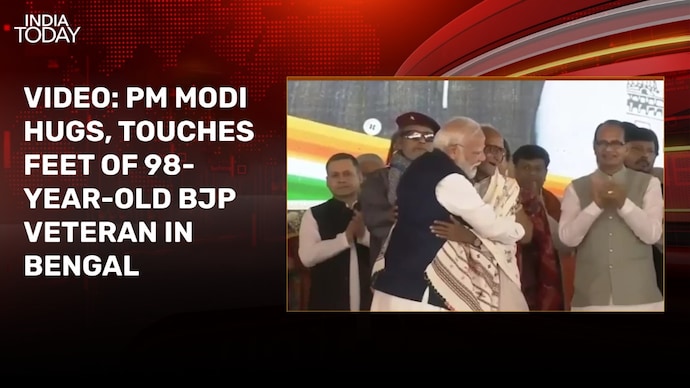
Prime Minister Narendra Modi on Saturday hugged and honoured 98-year-old Makhanlal Sarkar, one of the earliest and senior most members of the BJP. The scene unfolded on the stage ahead of Suvendu Adhikari's swearing-in as West Bengal's Chief Minister in Kolkata. PM Modi also touched Sarkar's feet and presented a shawl to him as a mark of respect. In 1952, Sarkar was arrested in Kashmir while he was accompanying Dr Syama Prasad Mookerjee as the latter was marching to hoist the tricolour there. BJP IT cell head Amit Malviya described the elderly party leader as "one of the earliest grassroots figures associated with the nationalist movement in post-Independence India."
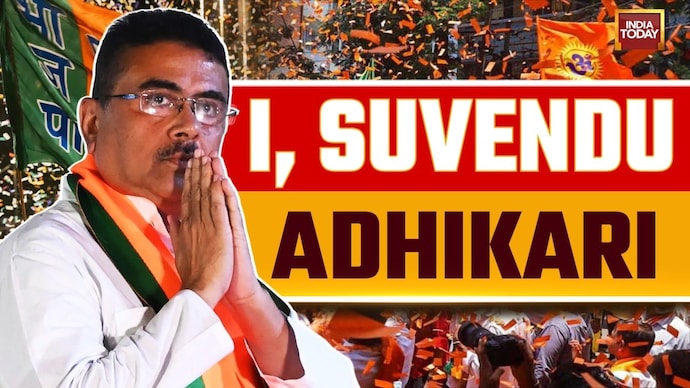
The political landscape of West Bengal witnesses a major transition as the newly appointed Chief Minister takes the oath of office and secrecy.