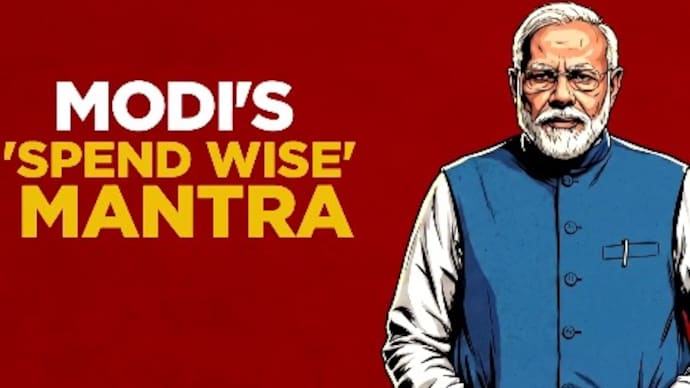
The central government has implemented austerity measures, including reducing ministerial convoys to two vehicles, in response to a looming fuel crisis driven by West Asian geopolitical tensions. While the ruling party frames this as a necessary fiscal step, opposition leaders have labeled the move tokenism, demanding a special parliamentary session to address the economic situation and rising oil prices. Simultaneously, the national currency has depreciated to an all-time low against the dollar, prompting calls from experts for fiscal consolidation and reduced political populism. Amidst these economic challenges, a major controversy has emerged regarding the national medical entrance examination. Investigations into an alleged paper leak and an interstate exam mafia have resulted in multiple arrests across several states, revealing potential political links. Education experts are now advocating for a complete overhaul of the testing system, suggesting decentralized, computer-based examinations to ensure future transparency. Transparency activists further urge the government to disclose fuel stock data to prevent public panic and hoarding during this period of economic instability.