
New gecko species discovered in Assam's Raimona Park. Here's what it's called
This discovery adds to Assam's growing list of unique lizards and highlights how much of the region's biodiversity is still waiting to be documented.
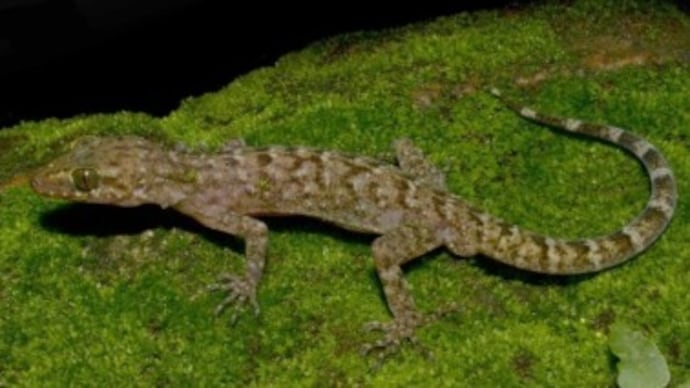

Assam has uncovered a fascinating new addition to its wildlife. The northeastern state has discovered a new species of a bent-toed gecko near the Raimona National Park, and has named the new species after the national park itself.
Chief Minister Himanta Biswa Sarma shared the exciting news on Monday, calling it a “remarkable discovery” that spotlights the state’s rich and still-hidden biodiversity.
A NEW DISCOVERY
Researchers Bijay Basfore, Manmath Bharali, Rathin Barman and their team found the tiny gecko in the Kachugaon region near Raimona National Park in Kokrajhar district.
The species, scientifically named Cyrtodactylus raimonaensis, was confirmed as new through detailed study of its physical features and genetic data.
Raimona National Park, established in 2021 in the Eastern Himalayan foothills, is one of Assam’s newer protected areas. The gecko was spotted in a nearby patch of degraded forest, proving that even less pristine habitats can harbour unique life forms.
The newly discovered gecko belongs to the Cyrtodactylus genus which is amongst the largest groups of geckos worldwide. This specific kind is known for their curved toes that help them grip surfaces with ease.
BIODIVERSITY IN ASSAM SHINES
Northeast India is a global hotspot for reptiles, yet many species remain undiscovered.
This find adds to Assam’s growing list of unique lizards and highlights how much of the region’s biodiversity is still waiting to be documented. Experts say continued exploration and habitat protection could reveal even more surprises in the coming years.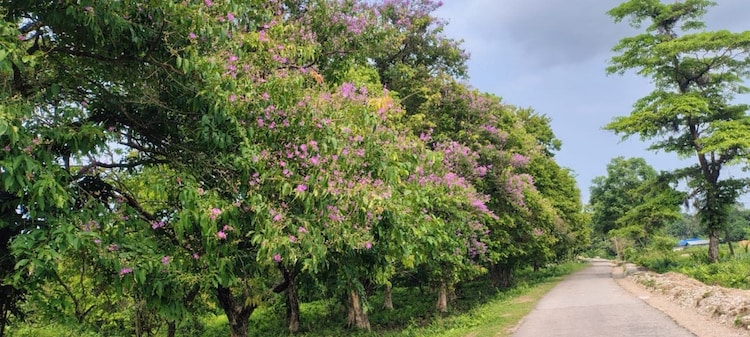
Chief Minister Sarma used the announcement on social media platform X (formerly Twitter) to reaffirm the state’s focus on green initiatives.
“A new species of gecko, Cyrtodactylus raimonaensis, has been found near Raimona National Park in Kokrajhar district, and named after the park itself, highlighting the rich biodiversity of our state,” he wrote. “We will continue to protect these habitats and support scientific research, ensuring Assam’s natural heritage is preserved and better understood for generations to come.”
The small, scaly reptile is more than just a scientific name, standing out also as living proof that Assam’s conservation efforts are yielding real results. With every new discovery, the state’s commitment to safeguarding its forests grows stronger, one gecko at a time.