
At 32.4°C, Delhi just recorded its warmest May night in nearly 14 years
The last time a May night in Delhi was hotter was May 26, 2012, when the minimum temperature touched 32.5°C.
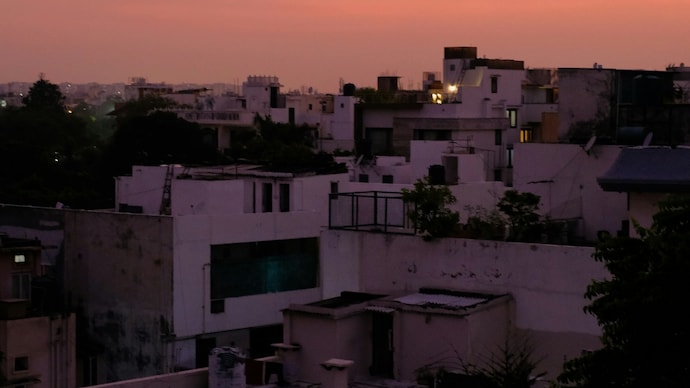

Delhi recorded its warmest night in the month of May in nearly 14 years, with the minimum temperature at Safdarjung weather station, the city's official base weather station, settling at 32.4°C.
That figure was 5.7°C above what is normal for this time of year.
Summer in Delhi is brutal by any standard. But even in the worst heat, night has always offered some measure of relief; a drop in temperature, a chance for the body to recover before facing another scorching day.
This May, that recovery window has effectively closed.
The last time a May night in Delhi was hotter was May 26, 2012, when the minimum temperature touched 32.5°C. Everything in between, for a total of 14 summers, had been cooler at night than what residents endured this month.
At such a level of heat, it was what is called a warm night.
WHAT IS A WARM NIGHT?
According to the Indian Meteorological Department's (IMD) definition, a warm night occurs when the maximum temperature stays at or above 40°C and the nighttime low is at least 4.5°C above normal.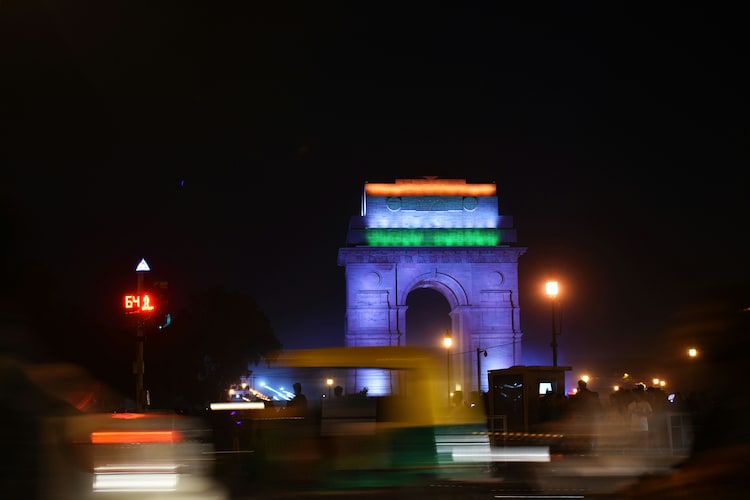
Meteorologists warn that such conditions are especially dangerous because the human body does not get enough time to recover from daytime heat stress.
When nights stay this warm, the cumulative toll on health, particularly for the elderly, children, and outdoor workers, rises sharply with each passing day.
SAME STORY ACROSS DELHI
What's more worrying is that the spike in nighttime temperatures was recorded across several weather stations across Delhi.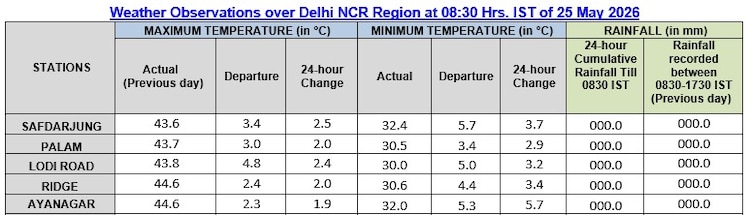
IMD weather observations show that dangerously high minimum temperatures persisted in several parts of the national capital.
Safdarjung's nighttime low stood at 32.4°C, which was 5.7°C above normal, and a full 3.7°C higher than the night before.
Ayanagar recorded 32°C, a 5.3°C departure from normal, with a 24-hour jump of 5.7°C, also marking the sharpest single-night rise among all stations.
Lodi Road's minimum was 30°C, recording a temperature 5°C degrees above normal. Ridge recorded 30.6°C, 4.4°C above normal. Palam logged temperatures 3.4°C above normal, coming in at an alarming 30.5°C.
To put these numbers into words, not a single station in Delhi recorded temperatures that resembled the climate of a normal night.
And unsurprisingly, with nights this hot, days are bound to outperform them. And they are forecasted to.
HOT DAYS AHEAD
The national capital is expected to remain in the grips of a scorching climate.
The IMD has issued a yellow alert for heatwave conditions across Delhi that will remain active until May 27.
For millions looking for relief, any meaningful respite is only expected to arrive later in the week as thunderstorms and cooler winds make their way to Delhi between May 28 and May 30.
Until then, the extreme heat is expected to overstay its welcome and is further expected to spill into the nights, taking away even the little period of rest and relief that people could get. If the conditions persist longer, the health risks would be alarming.
Cases of heat exhaustion and heat strokes could rise seamlessly, with children, pregnant women, and the elderly particularly at risk.
But for now, millions look forward to the forecast spell of wind and rain later this week.