Topic

Advertisement
TOPIC

Weather

There’s a strange kind of beauty in all the mess that comes with the different weather seasons. The sound of water hitting the windows late at night somehow makes everything feel calmer. Walks with an umbrella, even when your feet get soaked, end up staying in your memory. And then there are those quiet moments  just sitting by the window, hands wrapped around a warm cup of chai, watching the rain fall. Nothing fancy, but it feels almost poetic in its own way.

Weather, in general, has a way of setting the tone for our lives, even when we don’t realize it. A bright, sunny morning can push us into motion. A cloudy afternoon might slow us down. Rain doesn’t just water the ground it stirs something inside. It can make a regular day feel heavy or peaceful, depending on what’s going on in your mind. It brings people indoors, but also somehow closer. The weather shapes moods, plans, and sometimes even conversations.

 It changes how the day feels. It makes you notice things like the smell of the soil, the sound of birds that only sing in the rain, or how trees look greener than usual.

Weather is one of those things we talk about every single day without even noticing. It’s the first thing people mention in small talk, and yet it shapes so much of how we live. A sunny morning can make you feel unstoppable, while a grey, cloudy sky can slow everything down before the day even begins.

Sometimes it feels like weather carries moods of its own. Summer heat that sticks to your skin, making you crave shade and cold water. The chill of winter mornings when getting out of bed feels like the hardest task in the world. The gentle breeze on a spring evening that makes you want to walk a little slower.

...Read More
  • ALL
  • STORIES
  • VIDEOS

STORIES

Mild dust storm hits Delhi. Know the science behind it

A massive dust storm originating from the Thar Desert is expected to hit Delhi-NCR tonight, with IMD issuing a yellow alert for reduced visibility and gusty winds. Here is the science behind it and what you should do to stay safe.

Load More

VIDEOS

Govt takes responsibility for NEET leak, vows strict action against exam mafia

Union Education Minister Dharmendra Pradhan on Friday announced that the re-examination for NEET-UG 2026 will be held on June 21 after the original May 3 test was cancelled over the paper leak controversy. Addressing a press conference on Friday, Pradhan acknowledged a "breach in the chain of command" and said the government was taking responsibility for the failure.

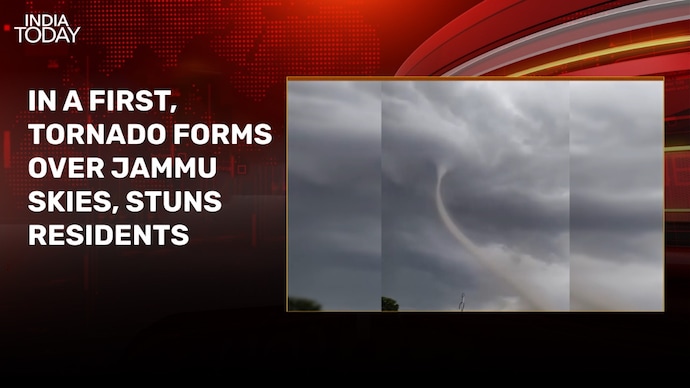
Video: Rare tornado stuns Jammu's Akhnoor; sparks awe, anxiety among residents

Residents in Jammu’s Akhnoor witnessed an unprecedented weather phenomenon on Saturday evening when a rare tornado formed and was captured on camera, leaving people both excited and anxious. The whirling column of wind lasted nearly 10 minutes over an open field, according to Dr Mukhtar Ahmad, Director of the J&K Meteorological Department.

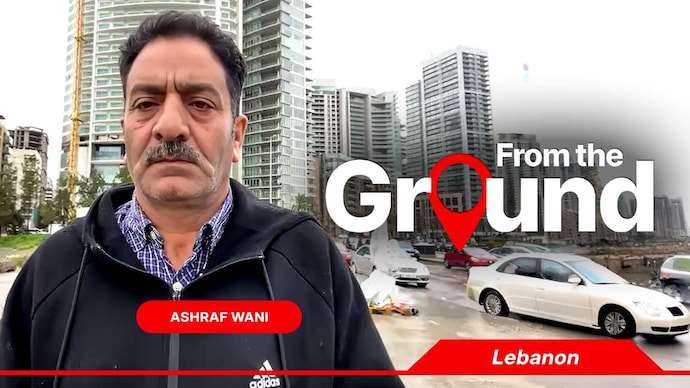
Tents, cars as homes: How Beirut’s displaced families live amid Israeli strikes

Rows of makeshift tents and parked cars have turned into shelters on the outskirts of Beirut, as thousands of displaced families struggle to cope after evacuation orders amid the ongoing conflict between Israel Defense Forces and Hezbollah. Ground reports by Ashraf Wani from the area show families, including children, spending nights in the open, with limited protection from weather and scarce access to basic necessities. More than one million people have already been displaced across Lebanon as the conflict intensifies. While some have managed to find shelter with relatives in safer areas, others have moved into temporary shelters. Many, however, have been left with no option but to stay in open spaces on the city’s fringes. In one such location, small tents dot open fields, offering little respite to families forced out of their homes. Vehicles parked along the roadside have become improvised homes. “Any car you see behind is a small home where families are sleeping for the night,” said Ashraf Wani in a ground report from Beirut. With large parts of the city ordered to be vacated, the pressure on both space and resources has intensified. The scale of displacement has placed significant strain on the Lebanese government, with the situation fast evolving into a humanitarian crisis. Despite the challenges, aid efforts continue. Volunteers and non government groups are arriving daily to provide essentials such as food, water and breakfast to those stranded without support. “Despite all these hardships, there are people coming every day… to serve food and water,” Wani said. As the conflict shows no immediate signs of easing, displaced families remain uncertain about how long they will have to live in such conditions.

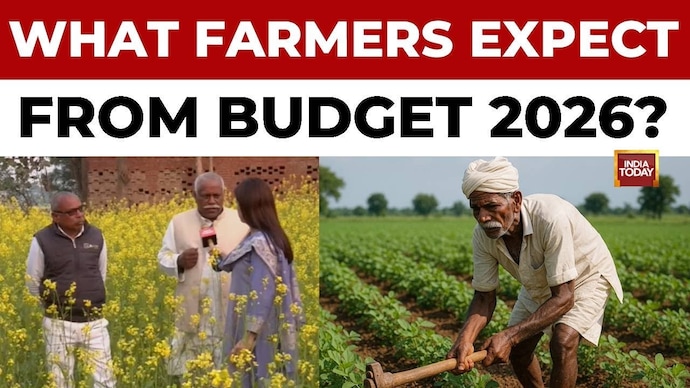
Sneha Mordani Reports: Farmers Seek Better MSP And Technical Support In Union Budget

On this Special Report, Sneha Mordani explores the urgent expectations of the agricultural community ahead of the upcoming Union Budget. Reporting from Chandauli, Uttar Pradesh, Mordani highlights that the sector employs nearly 46% of India's workforce but faces rising input costs and erratic weather. A key sentiment captured from the ground is: 'We are not getting the cost of production because the profit value is very low.' Farmers expressed a desire for modern machinery, better irrigation, and a shift toward climate-resilient practices like black rice cultivation. Interestingly, many farmers stated they do not want subsidies or 'alms' but rather a fair price for their produce and a platform to sell chemical-free products. The report underscores the need for reforms in the PM Fasal Bima Yojana and investment in rural infrastructure to ensure the backbone of the rural economy remains sustainable and profitable.

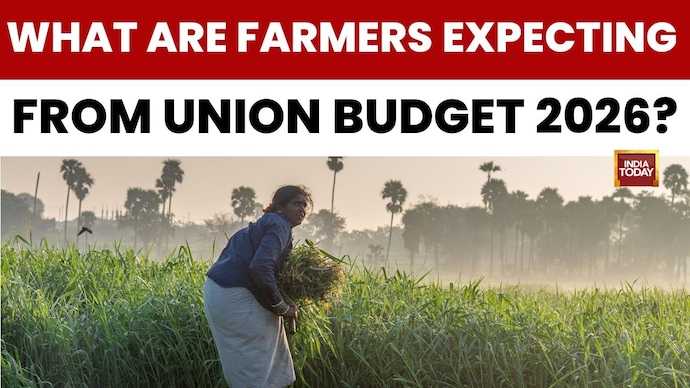
Sneha Mordani Reports: Farmers In Chandauli Demand Better MSP And Irrigation In Union Budget

On this Special Report, Sneha Mordani travels to the rural belt of Chandauli in Uttar Pradesh, often called the 'paddy bowl of India', to capture the urgent expectations of farmers ahead of the Union Budget. The agriculture sector, which employs nearly 46% of India's workforce, faces mounting pressures from rising input costs and erratic weather. One farmer highlighted the dire situation, stating, 'We are not getting cost of production. Profit is a far off thing.' The report details how the farming community is demanding a more robust Minimum Support Price (MSP) that ensures profitability rather than just covering costs. Beyond financial aid, the transcript outlines the need for modern machinery, subsidies for black rice farming, and improved irrigation facilities. Sneha Mordani notes that while the government has provided some machinery, the high operational costs remain a hurdle. The report concludes with a call for climate-resilient practices and a market platform for chemical-free products to ensure both farmer prosperity and consumer health.