
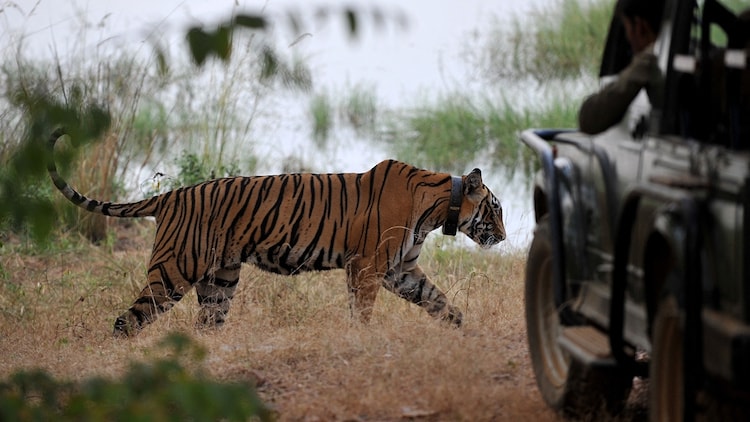
Tiger zinda hai, but kab tak? India's big cat success faces a dangerous reality
India's tiger recovery is colliding with shrinking habitats, blocked corridors and rising deaths. Experts say the next phase of conservation must move beyond headcounts to protect landscapes, connectivity and resilience.
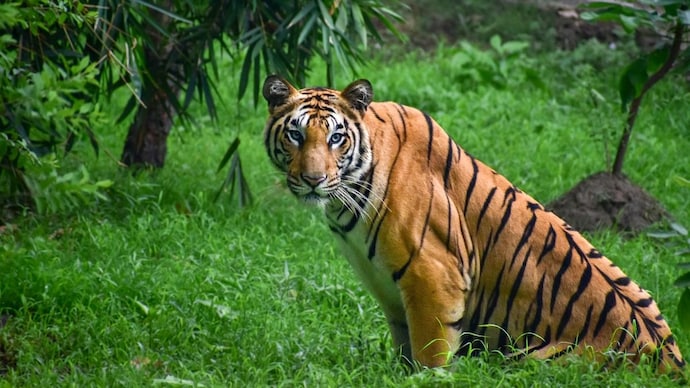
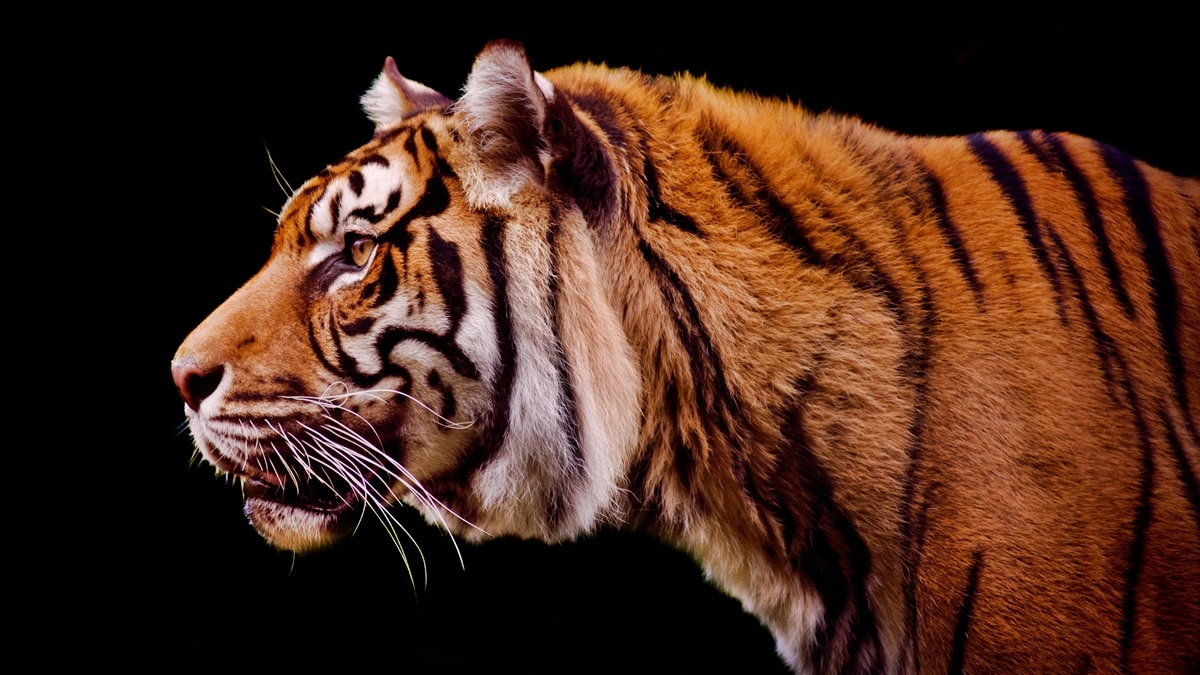
A tiger photographed repeatedly within a territory does not necessarily represent broader population stability. (Photo: Unsplash)

New Delhi,UPDATED: May 17, 2026 09:30 IST
There was a time when the tiger’s roar was fading from India’s forests.
By the late 1960s and early 1970s, rampant hunting, habitat destruction and poaching had pushed India’s national animal dangerously close to collapse. The majestic predator that once ruled forests stretching from the Himalayas to the Western Ghats was disappearing so rapidly that the country launched one of the world’s most ambitious wildlife conservation programmes: Project Tiger.
What followed became one of the greatest conservation success stories of modern times on the planet.
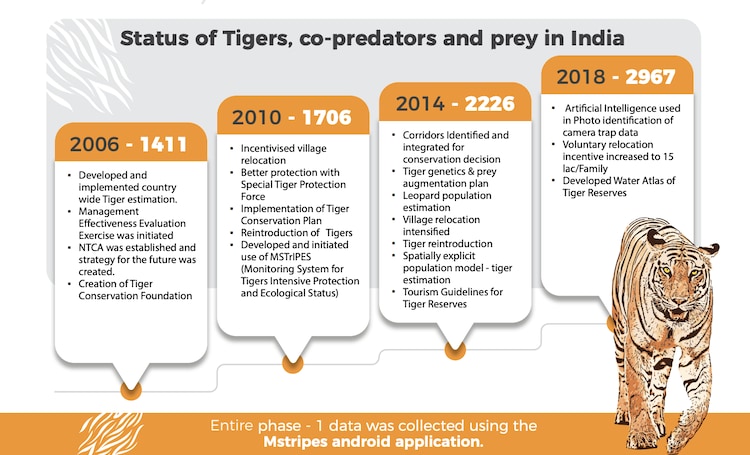
From an estimated population of barely 1,400 tigers in the mid-2000s, India’s tiger numbers steadily climbed. Forest reserves expanded. Camera traps replaced older census methods. Conservation funding increased. Tiger tourism exploded. Villages were relocated from critical habitats.
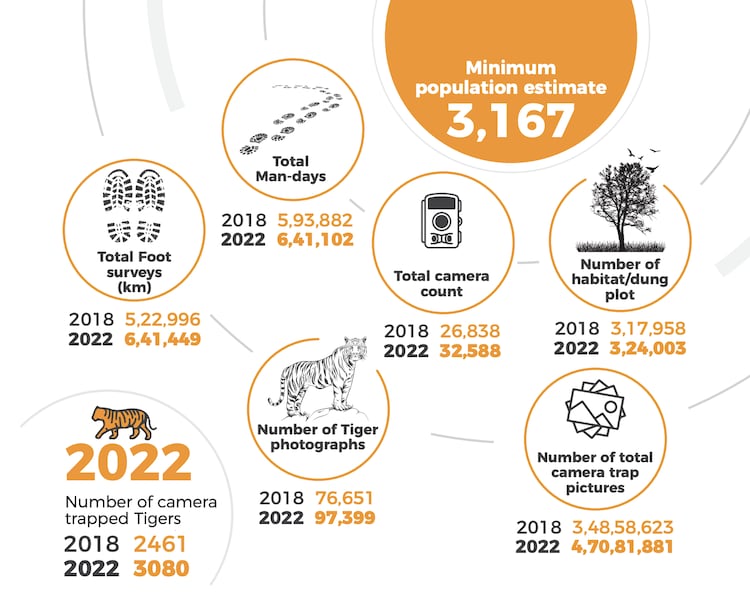
Today, India is home to over 3,000 tigers, nearly 75% of the world’s wild tiger population, and that's based on the 2022 census. That number has surely gone up as the new census awaits approval.
But now, conservationists and wildlife experts warn that India’s greatest tiger success may also be creating its next major conservation crisis.
The challenge is no longer simply about saving tigers.
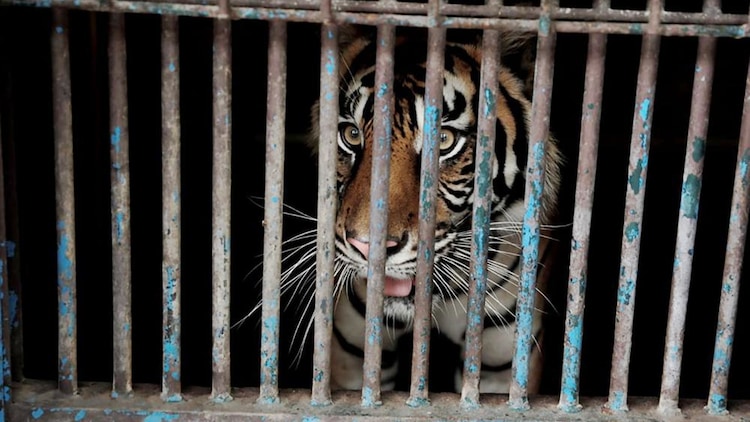
It is about whether India still has enough functioning wilderness left to sustain them.
TIGER ZINDA HAI
Across the forests of Madhya Pradesh, Maharashtra, Uttarakhand and Rajasthan, a new pattern is emerging. Young tigers are increasingly straying outside reserves.
Territorial fights are rising. Human-animal conflict is escalating. Tourism pressure is intensifying. Diseases are spreading. Forest corridors are collapsing under highways, railway tracks, mining belts and sprawling resorts.
And tiger deaths are rising sharply.
According to the latest data from the National Tiger Conservation Authority (NTCA), more than 71 tiger deaths have already been recorded across India in 2026 alone. Madhya Pradesh, India’s so-called Tiger State, accounts for 28 of those deaths within just the first five months of the year, including 12 deaths since early April.
The numbers have triggered uncomfortable questions inside India’s conservation circles: Has tiger conservation focused too heavily on increasing tiger numbers while neglecting the shrinking landscapes required to support them?
Wildlife conservationist Latika Nath believes part of the problem lies in how India began measuring tiger success.
“When the government undertook this exercise, it is important to go back to the beginning,” Nath told India Today.
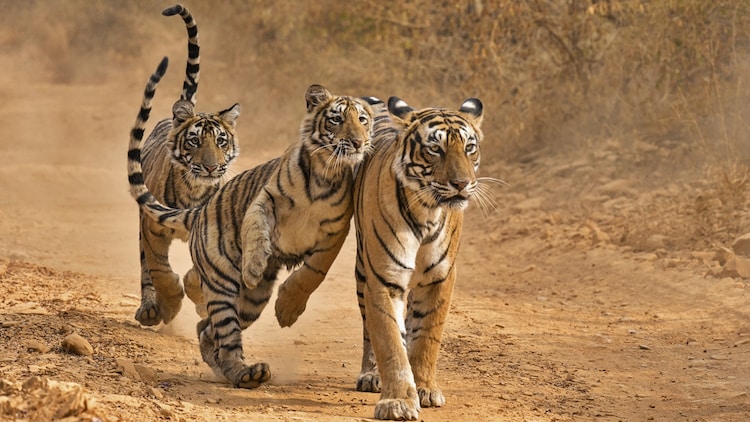
FINDINGS PUG MARKS: TIGER STORY
India initially relied on the pugmark census system, where forest staff physically tracked tiger footprints across forests. But concerns about accuracy led to the adoption of camera traps and capture-mark-recapture techniques pioneered by conservationists like Dr Ullas Karanth.
The shift revolutionised tiger estimation, but Nath argues that tiger ecology itself makes population modelling more complex than simple statistical extrapolation.
“Tigers are not randomly moving objects. They are territorial animals,” she explained.
A tiger photographed repeatedly within a territory does not necessarily represent broader population stability across fragmented landscapes. Yet the rising census numbers quickly became the central marker of conservation success.
And while tiger populations increased, habitat expansion did not keep pace.
“We have been talking about wildlife corridors, shrinking habitats and rising levels of human-animal conflict for quite some time now,” said wildlife biologist Imran Khan.
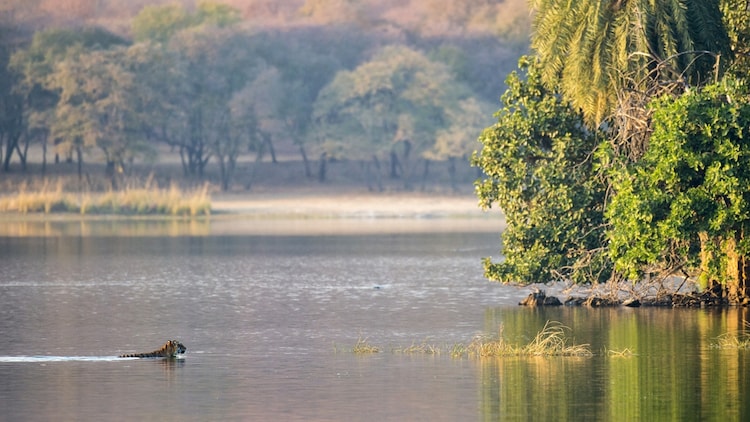
TIGER'S SHRINKING HOME
Corridors, the invisible ecological highways connecting forests, are critical for dispersing young tigers searching for territory. But many of these routes have now been blocked by human development.
Tourism infrastructure, highways, railway lines, mining projects and expanding urbanisation are steadily fragmenting forests.
Take the Terai Arc landscape stretching from Nepal into Uttarakhand and Uttar Pradesh. It once allowed elephants and tigers to move naturally across large habitats. Today, much of that movement is interrupted by roads, settlements and resorts.
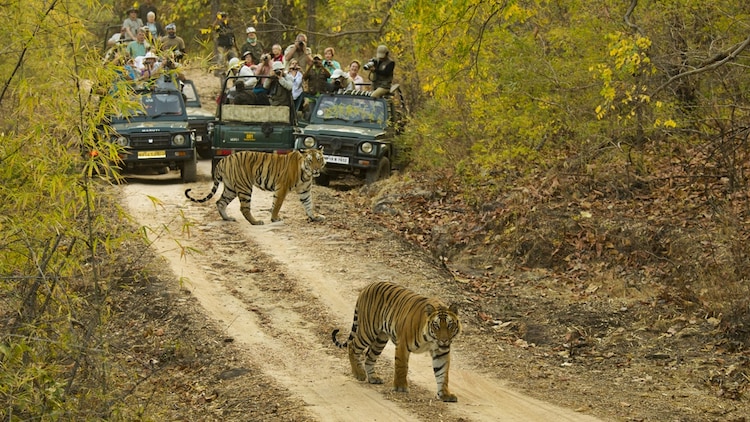
“When a tiger moves out of its habitat and encounters human settlements, conflict begins,” Imran Khan, formerly with the Wildlife Institute of India, said. “Very often the tiger is unable to return to its original habitat.”
The consequences are becoming increasingly visible.
Young dispersing tigers entering human-dominated landscapes are attacking livestock more frequently. Some are tranquilised and relocated. Others are captured permanently after conflict incidents. Many die in territorial fights as overcrowded reserves push animals into shrinking spaces.
According to Nath, even tiger behaviour itself may be changing under pressure.

INDIAN TIGERS ARE CHANGING FROM WITHIN
Historically, tigers were considered solitary apex predators. But experts now report increasing behavioural adaptation in some reserves, where male tigers are occasionally participating in cub rearing, something rarely observed earlier.
“There has also been a major behavioural adaptation in tigers,” Imran said. “Fathers have been observed caring for cubs, and tigresses appear to have adapted their social behaviour due to increasing pressures and shrinking territories.”
Scientists are now beginning to document the psychological impacts of tourism and habitat stress on the animals themselves.
A recent study by researchers from the Centre for Cellular and Molecular Biology published in the journal Animal Conservation found that wildlife tourism is significantly increasing stress levels in Indian tigers.
The study revealed that tigresses are retreating deeper into forests to locate undisturbed breeding sites away from safari traffic. Stress markers were found to be significantly higher among tigers living close to tourism routes and human habitations.
While Nath believes tourism alone is not directly harming tigers, pointing out that most parks expose only a small fraction of forest areas to tourists, she says India’s wildlife tourism system is deeply flawed.

WILDLIFE TOURISM IN INDIA IS POORLY PLANNED
India’s tiger reserves have witnessed an explosion of poorly planned tourism infrastructure over the last decade. Luxury resorts now line forest edges.
Safari traffic crowds limited tourism zones. Guides and drivers are often inadequately trained. Local economies have become heavily dependent on a six-month tourism cycle that incentivises aggressive wildlife chasing for tourist satisfaction.
Tourism, Nath argues, is no longer being professionally designed as an ecological experience. Instead, it has become reactive crowd management.
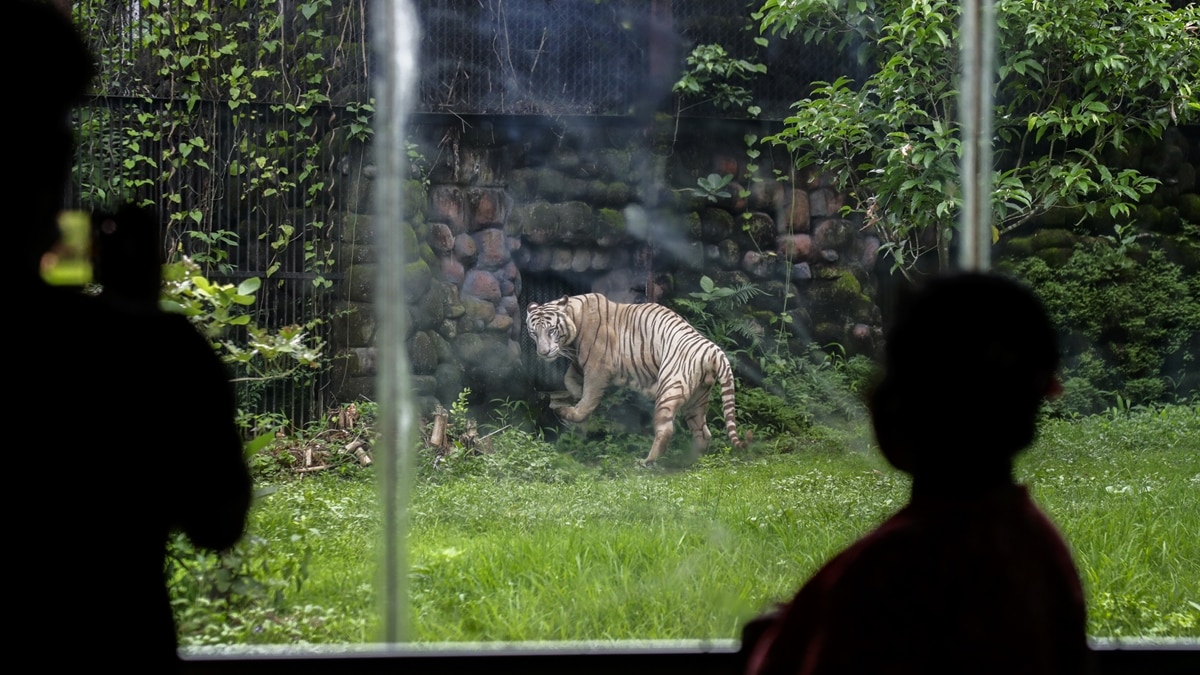
Imran, however, warns against portraying tourism purely negatively.
Some of India’s most successful tiger landscapes, including Corbett Tiger Reserve, Bandhavgarh National Park, Ranthambore National Park and Kanha National Park, are also among the country’s strongest tourism destinations.
“There is a clear correlation between areas with strong tourism presence and high tiger densities,” he said.
Tourism generates jobs, political attention and conservation funding. The issue, experts say, is not tourism itself but unregulated tourism expansion without ecological planning.
Then there is disease.
WHEN TIGERS ARE KILLED BY DOGS
Canine distemper, a viral disease spread by feral and stray dogs, is now emerging as another serious threat to tiger populations in India.
Recent outbreaks in Kanha have alarmed conservationists after several tiger deaths were linked to the disease. Nath warns that India has failed to adequately implement vaccination and sterilisation programmes around tiger reserves.
The problem is particularly acute in rapidly developing landscapes. In areas like Ladakh, road-building projects have unintentionally created expanding feral dog populations as labour camps moved through remote regions and abandoned dogs behind.
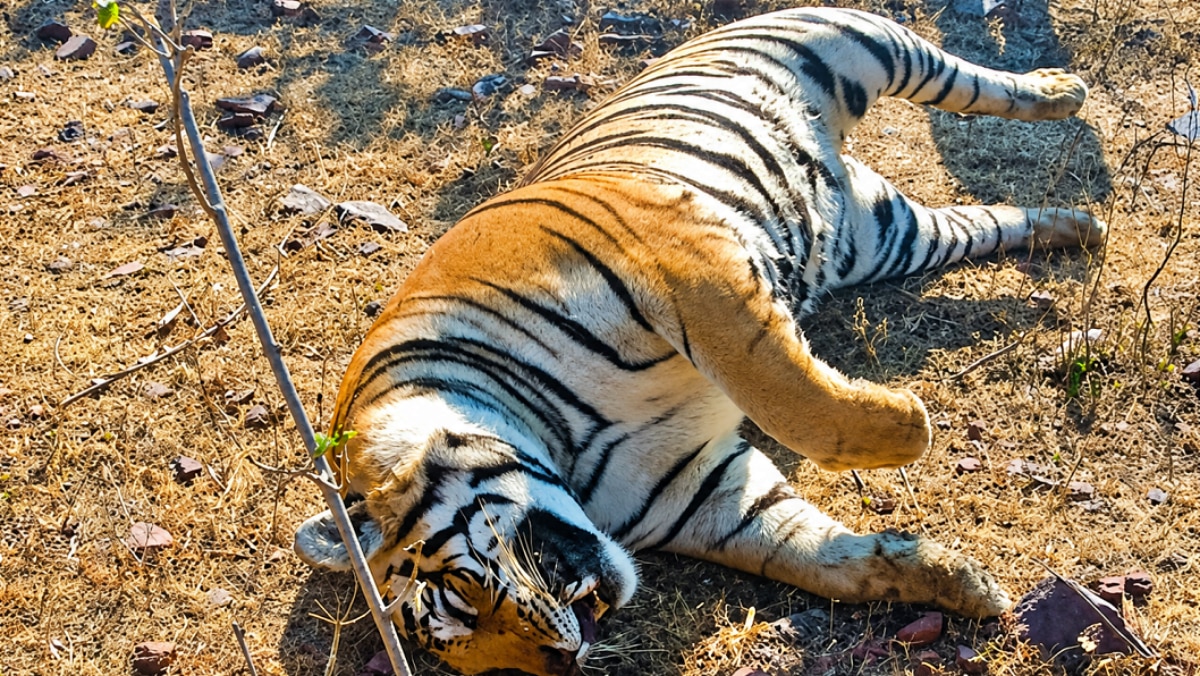
Canine distemper spreads not only among dogs but also among wolves, foxes, jackals, hyenas and big cats. Once it enters tiger populations, transmission between mothers and cubs becomes possible.
At the same time, climate change is intensifying pressure on forests already struggling with fragmentation.
Experts say India today possesses very little truly biodiverse natural forest cover relative to its size and population pressures. Plantation drives and monoculture forests cannot replace naturally evolved ecosystems that regulate rainfall, temperature and prey dynamics.
The central question now confronting India’s tiger conservation programme is uncomfortable but unavoidable: what exactly does success look like?
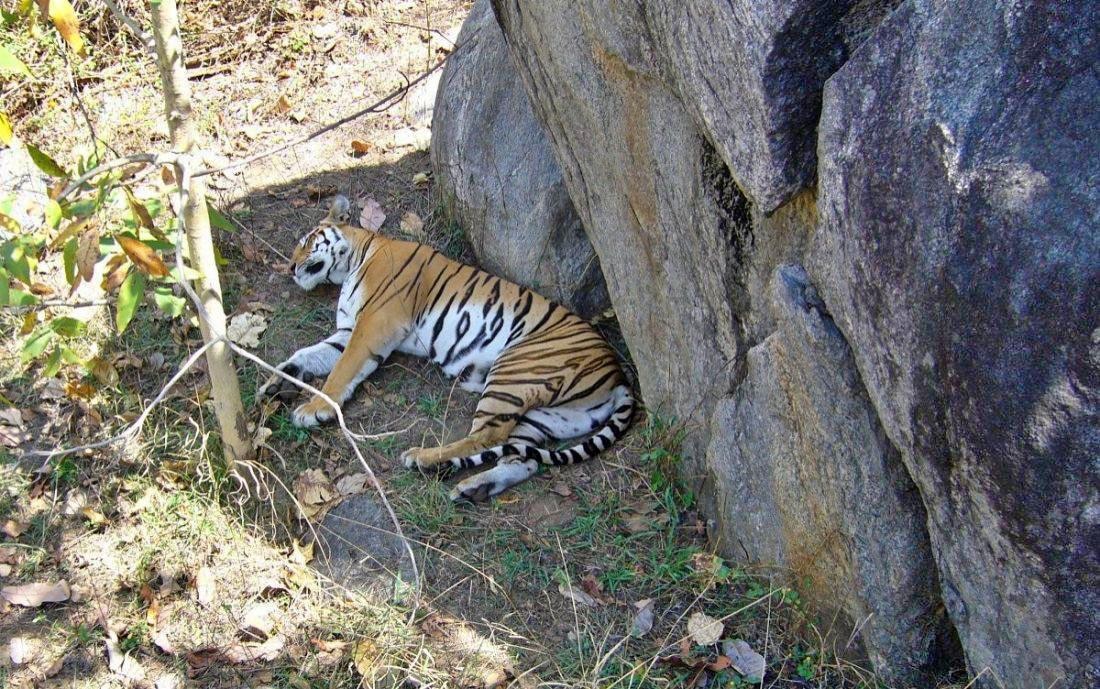
For decades, conservation policy was designed around preventing extinction. Rising tiger numbers became the symbol of victory.
But India’s conservation debate is now entering a more complex phase, one where saving tigers may require rethinking the entire landscape around them.
INDIA'S TIGER CONSERVATION NEEDS A RESET
Experts argue that the next phase of Project Tiger cannot focus only on tiger counts. It must focus on connectivity, coexistence and ecological carrying capacity.
That means reopening wildlife corridors. Building wildlife overpasses and underpasses into highways. Expanding protected buffers. Regulating tourism infrastructure. Strengthening disease surveillance.
Protecting natural forests rather than replacing them with monoculture plantations. And most importantly, recognising that tigers cannot survive as isolated populations trapped inside shrinking islands of forest.
India succeeded in bringing the tiger back from the brink of extinction.
Now comes the harder task: ensuring that the very success of Project Tiger does not become the reason the system begins to fail.
- Ends