
Watch: Kepler's Bumblebee robot does welding like an industrial welder
The K2 Bumblebee stands roughly 175–178 cm tall and has advanced hands, allowing it to grip and use tools much like a human worker.
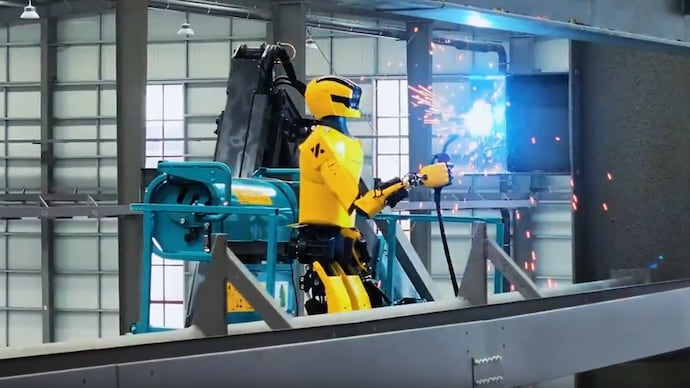

Kepler Robotics’ K2 Bumblebee has completed what is being called the world’s first high-altitude welding task by a humanoid robot.
K2 Bumblebee is a robot that performed the job while standing on an elevated platform in an industrial facility, handling a welding torch with steady precision as sparks flew.
A human operator controlled the entire process safely from the ground using virtual reality (VR) equipment.
This real-time teleoperation allowed the person to guide the robot’s movements naturally, as if they were welding themselves, but without facing any of the risks of working at height.
A TECHNOLOGICAL LEAP?
To start with, the robot was lifted on a platform to reach overhead metal beams.
While elevated, the K2 Bumblebee used its skilled hands to apply accurate welds. Bright arcs and showers of sparks lit up the scene, showing the intensity of the task. The human operator on the ground wore a VR headset and used handheld controllers to direct the robot’s arms, body, and tools in real time.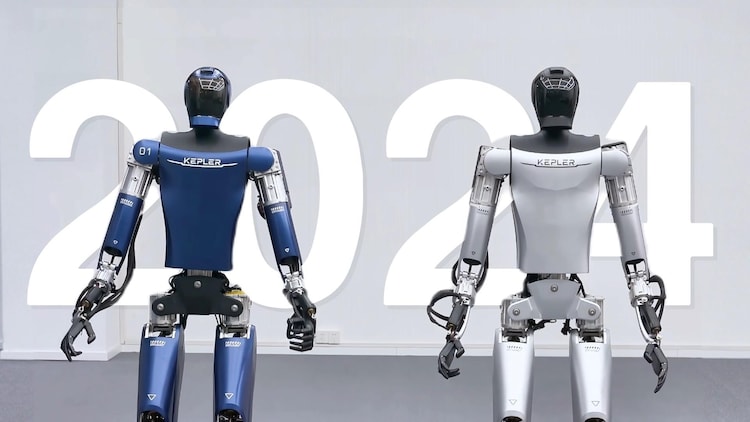
The robot maintained excellent balance and control throughout the operation, proving its stability in a challenging position.
High-altitude welding is among the more hazardous jobs in construction and heavy industry. Workers usually need scaffolding, harnesses, or lifts to reach overhead structures. These situations carry risks of falls, burns, intense heat, fumes, and physical strain.
Now, the option of using a humanoid robot instead can greatly improve safety while maintaining productivity.
The K2 Bumblebee, developed by Shanghai-based Kepler Robotics, stands roughly 175–178 cm tall. Its advanced hands allow it to grip and use tools much like a human worker.
FUTURE IS HERE
This demonstration represents a practical step forward.
Full robot autonomy remains difficult in complex settings, so teleoperation combines human judgment with the robot’s ability to handle physical danger.
This technological advancement showed humanoid robots making the much-anticipated jump from research labs into real-world industrial uses such as construction, manufacturing, and maintenance.
As these robots become more capable, they could take over dirty, dull, or dangerous tasks, letting people focus on safer and more skilled work.
The K2 Bumblebee’s success suggests that everyday use of humanoids on job sites may come sooner than many expected.