
Buried in time: 1,000-year-old ancient rock engravings discovered in Odisha
Ancient carvings, inscriptions, and religious motifs uncovered at Akarsila are shedding new light on Odisha's early medieval past and centuries-old cultural traditions.
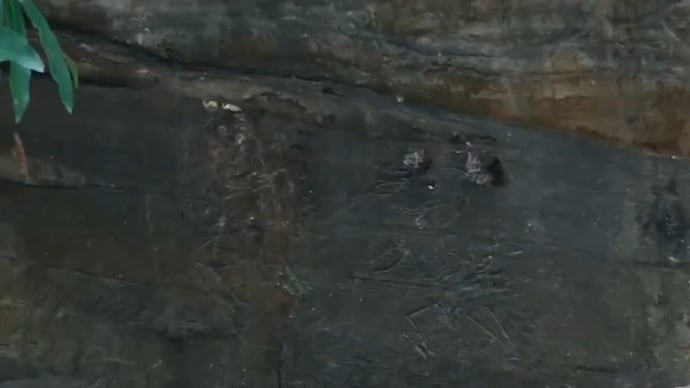

In a significant archaeological breakthrough, experts have uncovered a rare site of rock engravings dating back to the 7th-8th century in Mayurbhanj district of Odisha.
Named Akarsila, the site lies in the foothills of the Similipal Biosphere Reserve, a lush, forested area known for its rich wildlife and natural beauty.
The discovery of the engraved rocks has added to the understanding of early medieval India, a time when regional kingdoms were shaping art, religion, and society long after the classical Gupta period but before the rise of many later medieval empires.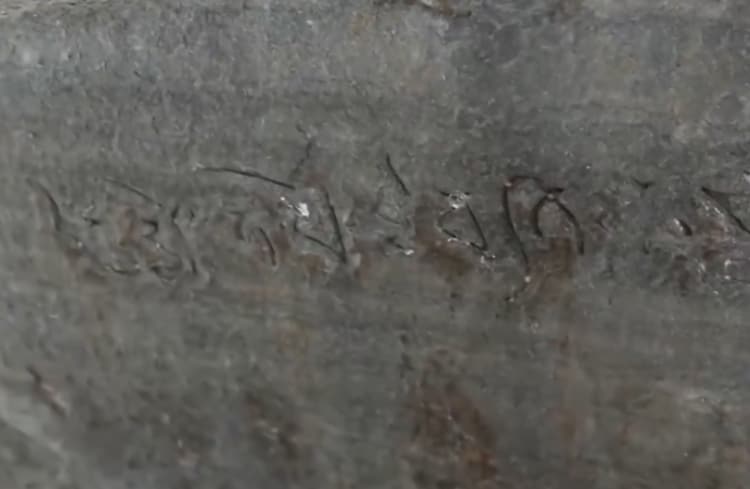
WHAT WAS FOUND IN ODISHA?
The site of discovery featured carvings directly onto natural rock surfaces, including carvings of figures of people, animals, symbolic motifs, and inscriptions.
Evidence pointed to ancient traditions of Sun worship and other religious practices.
Researchers also noticed depictions that revealed details about ancient clothing, daily life, and the relationship between humans and nature at that time.
A particularly interesting element is a carved stone image, possibly of Lord Ganesha, which local people continue to worship today by applying vermilion, oil, and offering incense.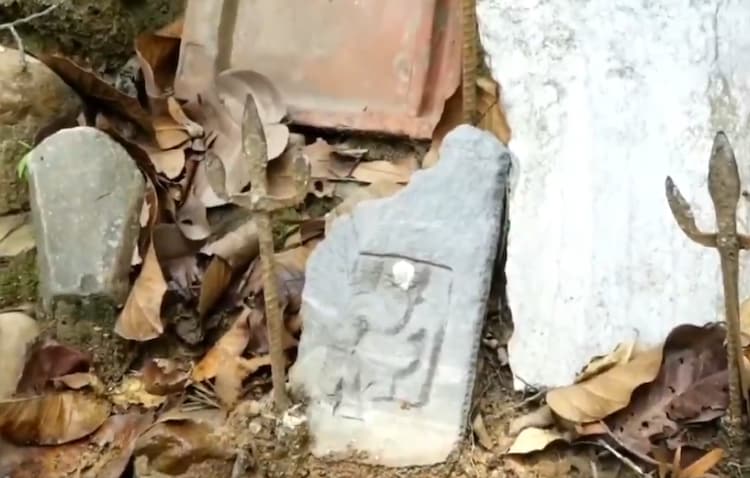
The actions indicate the timeless continuity of cultural and religious traditions spanning more than a thousand years.
The engravings occupy an area of roughly 500 square meters in some accounts of the exploration. The script visible in the inscriptions has drawn attention for its similarities to early forms linked to eastern Indian traditions.
HISTORICALLY RICH LANDSCAPE
Mayurbhanj and the surrounding Burhabalanga river basin have long been known for prehistoric tools, ancient settlements, and early historical sites.
However, until now, no major rock art site has been reported in this specific basin. Akarsila fills that gap and connects the dots between even older Stone Age remains in the region and the early medieval period.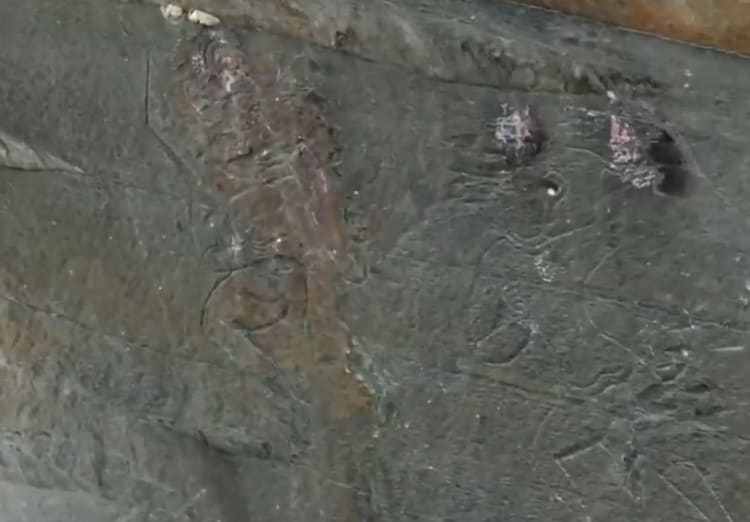
The Similipal Biosphere Reserve, present in the vicinity, is one of India's key protected areas, home to tigers, elephants, and diverse types of forests. Finding ancient human marks here indicates that these landscapes have supported people and culture for millennia, not just wildlife.
For a layman, rock engravings, which are also called petroglyphs, are like ancient graffiti or storytelling carved into stone.
Unlike paintings, they are made by cutting or hammering the rock surface, and serve as direct windows into the minds and lives of people from centuries ago, providing a glimpse into what they believed in, what they wore, and how they saw the world around them.