
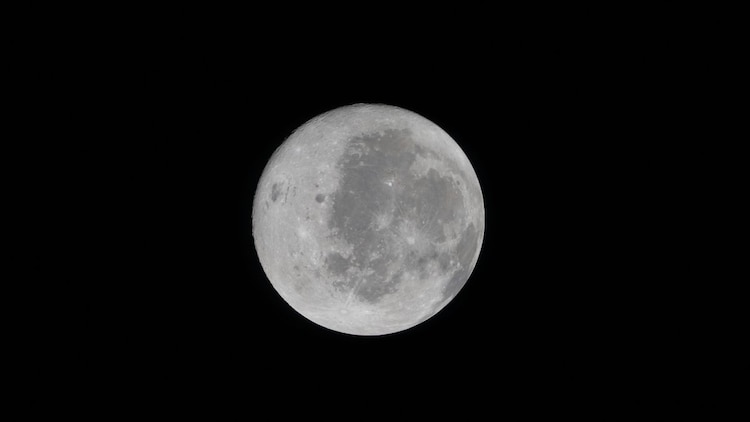
Artemis 2 astronauts make closest approach to Moon. What's next?
The Artemis 2 spacecraft has made its closest approach to the Moon at a distance of 4,070 kilometres. Learn how Nasa will use lunar gravity to bring the four astronauts home.
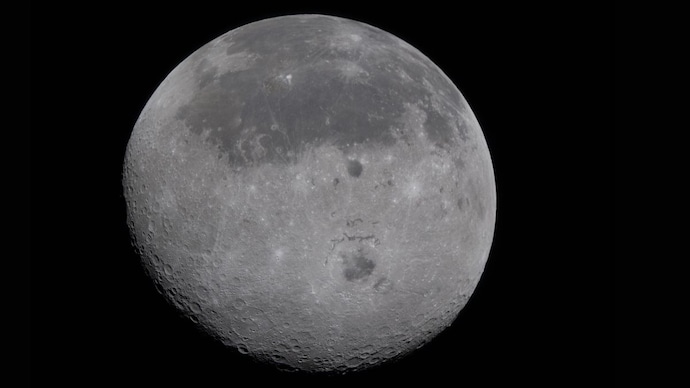
Artemis 2 has made its closest approach to the Moon. This is a view of the Moon from the Orion spacecraft. (Photo: Nasa)

New Delhi,UPDATED: Apr 7, 2026 06:29 IST
The Orion spacecraft has just completed its most intimate encounter with the Moon. In the early hours of Tuesday, April 7, the Artemis 2 capsule reached its pericynthion.
This is the technical term for the specific point in an orbit where a spacecraft is at its absolute closest to the celestial body it is circling.
For the four astronauts inside, this meant skimming just 4,070 kilometres above the cratered lunar surface.
This distance is so small in cosmic terms that the crew could see the fine details of the lunar soil with the naked eye.
WHY IS THIS CLOSE FLYBY IMPORTANT?
This move was not just for the spectacular view. Nasa engineers are using the Moon as a massive celestial slingshot.
By flying so close, the spacecraft is performing what is known as a gravity assist manoeuvre.
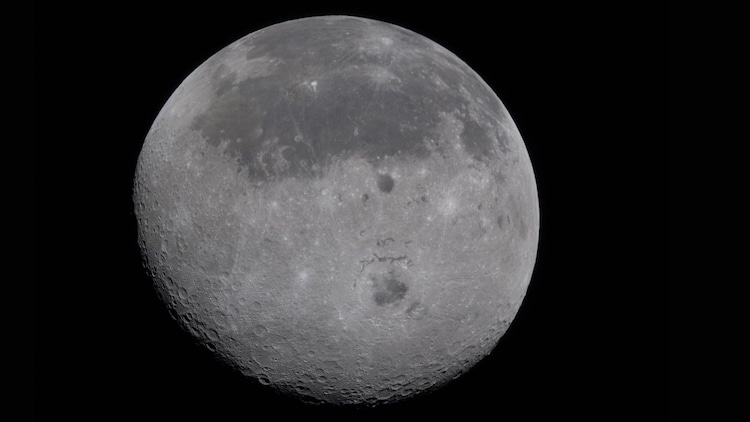
This means the Moon’s own gravity pulls the ship in, increases its velocity, and will then fling it back toward Earth on a precise path.
It is a brilliant way to save fuel while ensuring the crew returns home safely following their deep space transit.
HOW ARE THE ASTRONAUTS WATCHING THE MOON?
The crew began their official lunar observations at 12:15 a.m. IST and will conclude them by 6:50 a.m. IST.
While the ship is packed with advanced computers, the astronauts are also performing manual navigation checks.
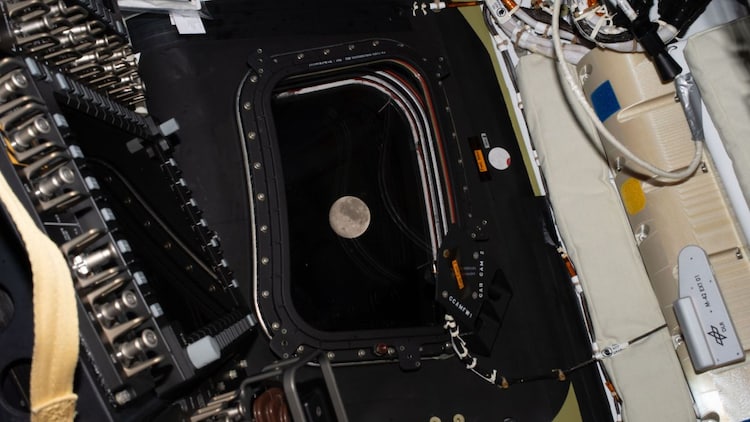
They are literally looking out of the windows and using specific craters as landmarks to verify their position.
This is a vital safety backup in case their automated tracking systems ever fail during the mission.
CAN WE SEE WHAT THEY SEE?
Nasa is sharing high resolution views of the lunar far side, showing the stark contrast between bright, rugged highlands and dark, flat volcanic plains.
A highlight for the crew will be a unique solar eclipse between 6:05 a.m. and 7:02 a.m. IST on Tuesday.
During this window, the Sun will pass directly behind the Moon from their perspective. It is a rare sight that reminds us why humans are finally returning to the lunar frontier.
- Ends