
Rain to continue: April will see showers, snow and hail in the coming week
March was already riddled with sudden weather shifts and multiple western disturbance episodes, and now, even April is expected to experience the same. Find out if your region will experience rain and hail.
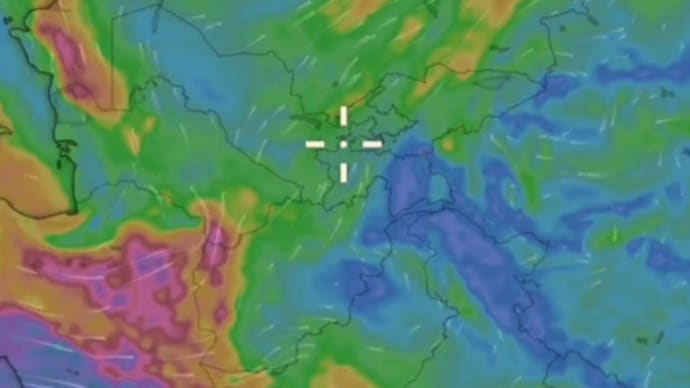

North India is bracing for yet another challenging weather spell ahead.
A strong western disturbance is set to hit several Indian states between April 3 and 5, 2026, bringing heavy rain, snow, thunderstorms, hail, and gusty winds. The prologue to the upcoming weather will be seen as early as this weekend, with rain and storms expected in the northern plains.
March was already riddled with sudden weather shifts and multiple western disturbance episodes, and now, even April is expected to experience the same, at least for the first half.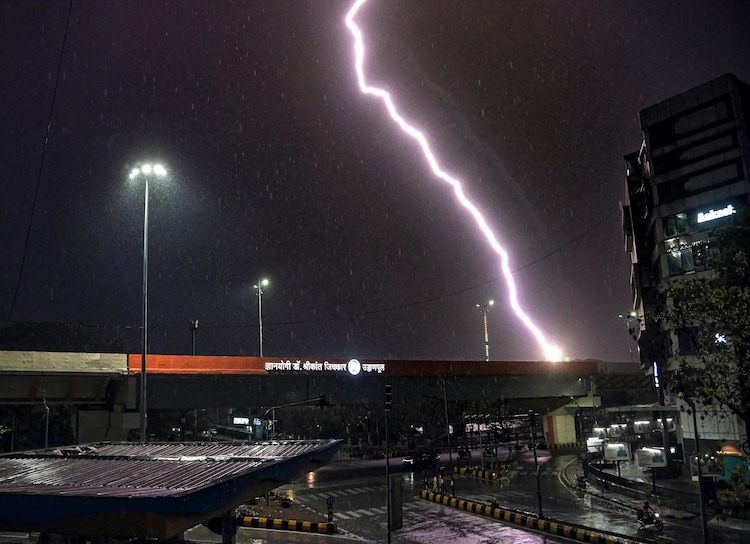
WHAT WILL WEATHER IN APRIL BE LIKE?
Across North India in April 2026, a powerful system originating from distant regions is expected to arrive and intensify as it crosses Northwest India.
The weather system will pass by critically close to the Gujarat-Rajasthan border, and will trigger extreme conditions.
Jammu & Kashmir and Ladakh can also expect intense rain and heavy mountain snowfall.
Furthermore, Punjab and Rajasthan will likely deal with widespread thunderstorms and gusty winds, while Gujarat will face significant effects along the northern borders and the interior.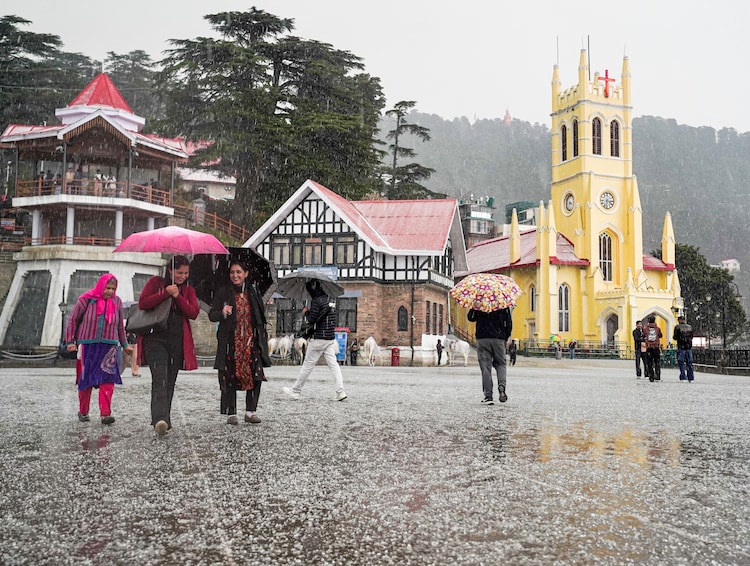
HOW WILL APRIL WEATHER IMPACT STATES?
Thunderstorms are predicted to spread widely across plains and central-eastern belts.
In the north and central regions, Haryana, Delhi-NCR, parts of Uttar Pradesh, Himachal Pradesh, and West Madhya Pradesh are at risk of extreme weather.
Odisha and West Bengal might experience effects later as the system moves east.
Officials will continue to issue alerts for extreme events such as isolated hailstorms in Punjab, Haryana, and Rajasthan.
Along with the rain and snow and hail, wind will also bring its best. Predictions show that winds may reach 50–60 kmph, making driving conditions tricky at times, and temperatures will drop noticeably after the rain passes, providing a cool relief, and further delaying the summer of 2026, which is also expected to match up to the one in 2024.
This yet another weather shift will add moisture to the soil and benefit agriculture in regions, but could equally cause damage, too, especially for the rabi crops that are at the cusp of maturity.
If anything, the weather will be a reminder that human activity is circling and coming back to hit us, and showing the direct impacts of climate change.