
SoS from Western Ghats: India's living spine is cracking. It can't be ignored
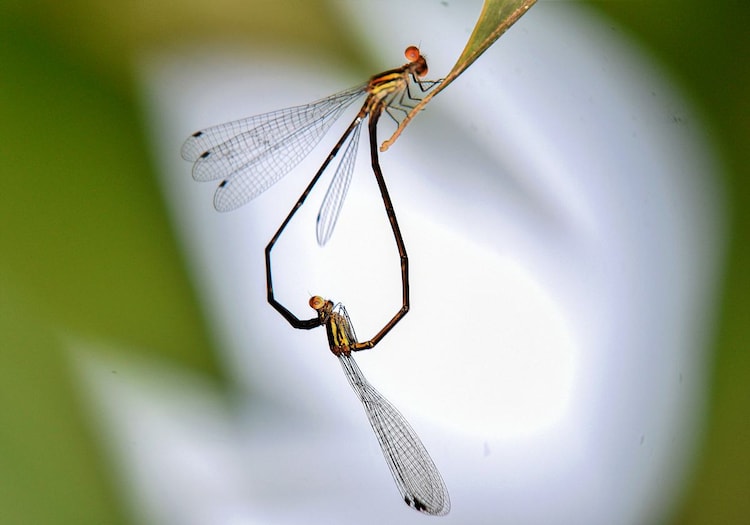
A two-year survey in the Western Ghats recorded only 143 dragonfly and damselfly species, with nearly 35 per cent of historically recorded species missing. Scientists say the decline points to mounting stress in freshwater habitats and wider ecological disruption across the region.
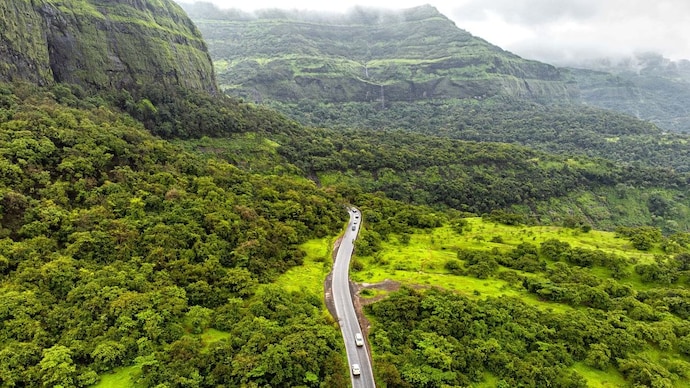
Tamhini Ghat, a mountain passage located between Mulshi and Tamhini in Maharashtra, India, situated on the crest of the Western Ghat. (Photo: Getty)

New Delhi,UPDATED: May 9, 2026 09:14 IST
At first glance, the Western Ghats feel eternal, ancient mountains rising like a green wall along India’s western edge, drenched in monsoon rains and teeming with life found nowhere else on Earth. But a quiet, unsettling signal is emerging from within this vast landscape, one that scientists say India cannot afford to ignore.
A new two-year survey has found that nearly 35 per cent of dragonfly and damselfly species historically recorded in the Western Ghats are now missing. The study, conducted across 144 sites between 2021 and 2023, documented just 143 species, about 65% of known diversity.
For researchers, this is not merely a data gap, it is an ecological warning.
“These insects are highly sensitive to environmental changes. Their absence signals deeper stress in freshwater ecosystems,” says Dr. Pankaj Koparde, who led the study.
Dragonflies and damselflies, collectively known as Odonata, may seem inconspicuous, but they are among the most reliable indicators of environmental health. Their life cycles depend entirely on freshwater ecosystems: rivers, streams, wetlands, and forest pools.
When these habitats degrade, Odonates are among the first to disappear.
Their decline, scientists warn, points to a broader unravelling, one that could ripple across the Western Ghats’ intricate ecological web.
DECODING WESTERN GHATS: INDIA’S ECOLOGICAL BACKBONE
Stretching 1,600 kilometres along the west coast, the Western Ghats are often described as India’s ecological backbone. The phrase is not poetic exaggeration, it is scientific reality.
“These mountains sustain critical environmental processes that support life across the subcontinent,” explains Dr. Sarita Sachdeva, Dean of Research at Manav Rachna International Institute for Research and Studies.
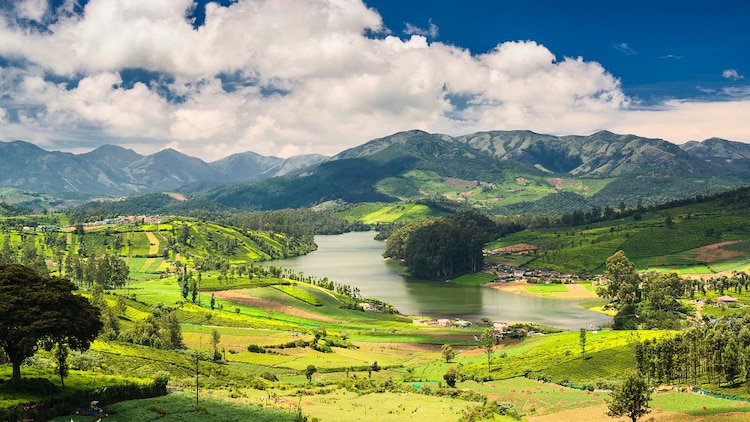
The Ghats intercept moisture-laden winds from the Arabian Sea, triggering heavy rainfall through orographic lifting. This process feeds major river systems such as the Godavari River, Krishna River, and Cauvery River, lifelines for hundreds of millions of people.
In effect, the Western Ghats function as India’s natural water tower.
Their dense forests regulate groundwater recharge, maintain perennial stream flows, and stabilise regional climate. They also act as a massive carbon sink, helping buffer the impacts of climate change.
WESTERN GHAT'S TREASURES ARE UNDER THREAT
Globally recognised as a biodiversity hotspot, the Western Ghats host extraordinary levels of endemism. Species like the Lion-tailed macaque and Nilgiri tahr exist nowhere else in the world.
But this evolutionary richness is now under pressure.
Over the past century, large tracts of forest have been converted into plantations, agricultural land, and urban settlements. Studies suggest significant forest loss over decades, with natural landscapes increasingly replaced by fragmented patches.
“Continuous forests are breaking into smaller units, reducing habitat connectivity and threatening endemic species,” Sachdeva notes.
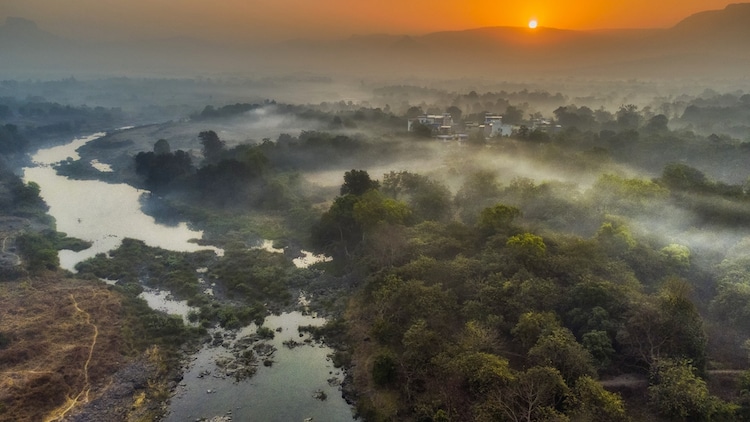
This fragmentation affects all life forms differently, but almost always negatively.
HOW IS LIFE IN WESTERN GHAT FIGHTING TO SURVIVE?
For large mammals like elephants, fragmented forests block ancient migratory corridors, forcing animals into human-dominated spaces and increasing human-animal conflict.
For species like the lion-tailed macaque, which depend on dense canopy cover, isolation can be fatal. Small, separated populations struggle to find food, mates, and genetic diversity.
For smaller organisms, frogs, insects, freshwater fish, the impact is even more severe. Many of these species occupy narrow ecological niches and cannot survive outside them.

“There are limited long-term studies on the flora and fauna of the Western Ghats. However, some of these point towards local disappearance of species due to habitat degradation and loss,” Dr Pankaj Koparde explains.
The disappearance of dragonflies, then, is not an isolated phenomenon, it is part of a cascading ecological shift.
A study published in 2025 highlighted that the natural environment has been disturbed by mining operations, dam building, and monoculture plantings, causing irreparable harm. "Changing rainfall patterns and increasing frequency of catastrophic weather events has made the area even more vulnerable," the researchers noted.
DEVELOPMENT VS SURVIVAL
The drivers behind this change are not hard to identify. Infrastructure projects, mining, hydropower, highways, and unregulated tourism are steadily reshaping the Ghats.
Deforestation weakens soil stability. Mining contaminates water bodies. Dams alter river flows. Roads carve through wildlife corridors.

Together, these changes disrupt hydrological cycles and reduce the region’s ability to absorb shocks.
“Replacing native forests with plantations or urban landscapes leads to homogenisation of biodiversity,” says Koparde.
In simple terms, diversity is replaced by uniformity, and resilience is lost.
HOW DESTRUCTION OF THE WESTERN GHAT IS PLAYING OUT IN REAL TIME
The consequences are already playing out in real time.
In recent years, parts of the Western Ghats, especially in Kerala and Karnataka, have witnessed increasingly severe floods and landslides.
While heavy rainfall is natural in the region, scientists say ecological degradation is amplifying the damage.
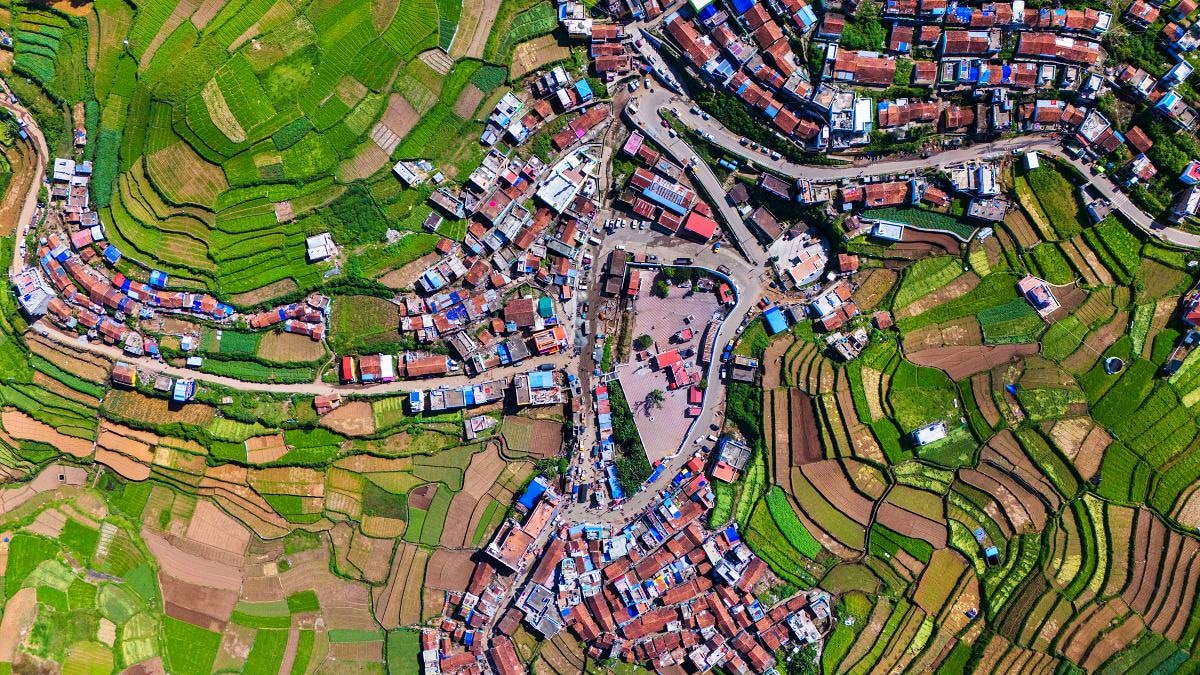
The impacts of this environmental decline extend far beyond the Western Ghats, influencing surrounding regions through disrupted monsoon patterns, reduced groundwater recharge, and the loss of vital ecosystem services supported by biodiversity.
“Intact forests once stabilised slopes and absorbed rainfall. Their loss increases surface runoff and landslide risk,” Sachdeva explains.
Climate change is further intensifying the crisis. Rainfall is becoming more erratic, short, intense bursts followed by dry spells, placing additional stress on already degraded systems.
THE ENTIRE SYSTEM IS UNDER STRESS
The Western Ghats are now caught in a dangerous feedback loop.
Human activity reduces ecological resilience. Climate change amplifies environmental stress. Together, they push ecosystems closer to tipping points.
Species adapted to stable, humid conditions struggle to survive. Water systems become unpredictable. Extreme events become more destructive.
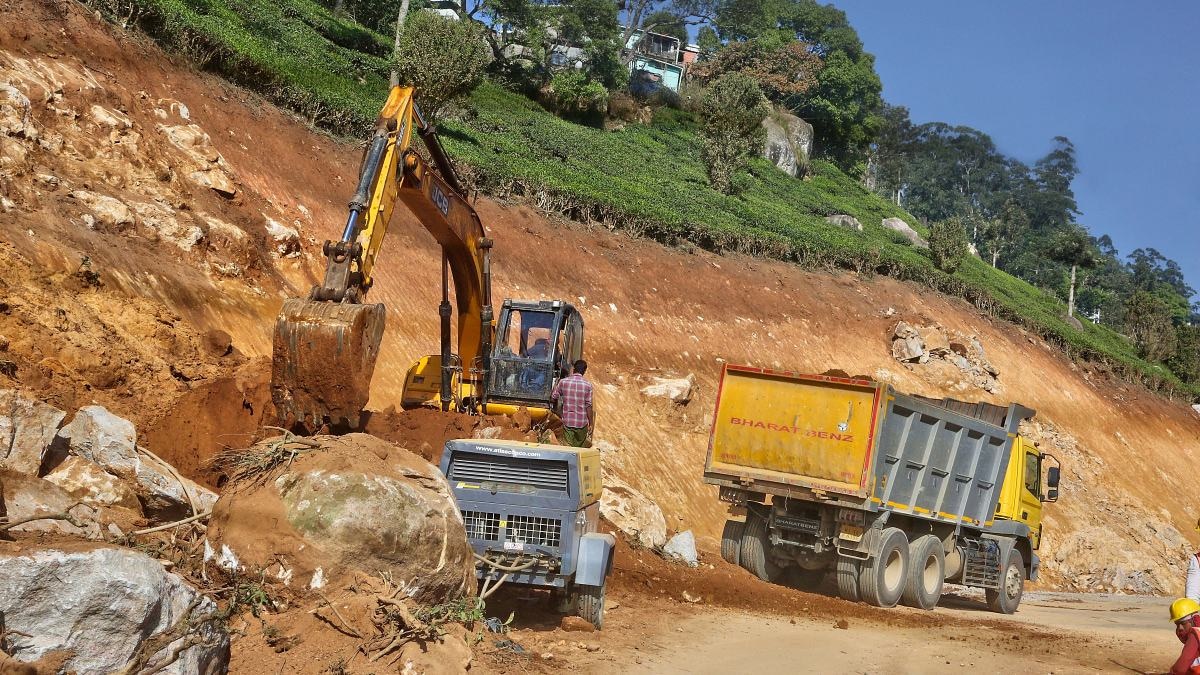
“We are in the era of anthropogenic climate change. Without careful planning, vulnerability will only worsen,” Koparde warns.
WHY INDIA CAN NOT IGNORE THE WESTERN GHATS
What makes this crisis particularly urgent is that the Western Ghats are not a remote wilderness, they are central to India’s survival.
They supply water to cities, sustain agriculture, support hydropower, and regulate climate across peninsular India.
Any disruption to this system has cascading effects.
“If deforestation continues, it could disrupt rainfall patterns, reduce river flows, and increase drought and flood risks,” Sachdeva says.
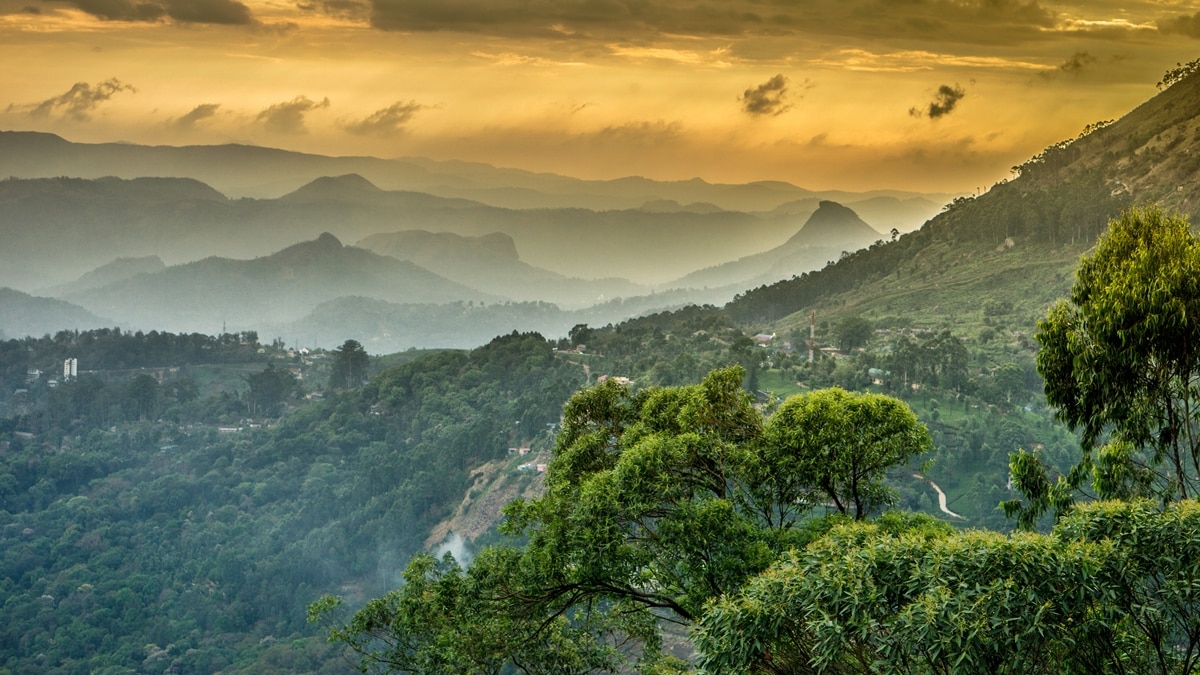
In a country already grappling with water stress, this is a risk with far-reaching consequences.
THE POLITICS OF PROTECTION
Despite decades of scientific warnings, conservation efforts in the Western Ghats have struggled to gain momentum.
The region spans multiple states, each with its own political and economic priorities. Recommendations from expert panels have faced resistance, often seen as threats to development and livelihoods.
There is a persistent narrative of development versus conservation. At the same time, local communities, many of whom depend on the land, fear displacement or restrictions on their livelihoods.
The result is policy inertia.
THE WINDOW TO SAVE THE GHATS IS CLOSING
Scientists agree that solutions exist, but time is running out.
Key priorities include enforcing ecologically sensitive zones, halting high-impact activities in fragile areas, restoring degraded forests, and reconnecting wildlife corridors.
Equally important is involving local communities in conservation, ensuring that livelihoods and sustainability go hand in hand.
“There is a need for stronger protection and better coordination across states,” Koparde suggests, even proposing a unified Western Ghats biosphere framework.
The missing dragonflies may be small, but their absence carries a powerful message.
They are telling us that the Western Ghats, India’s living spine, are under strain.
Ignore them, and the consequences may not remain confined to forests and rivers. They will flow into cities, farms, economies, and lives.
In the end, the question is not whether the Western Ghats can survive without us.
It is whether we can survive without them.
- Ends