
Trees cool cities but places that need them the most don't have enough
After analysing 9,000 large cities worldwide, researchers found that trees cool urban areas by an average of 0.15ºC through shade and water vapour.
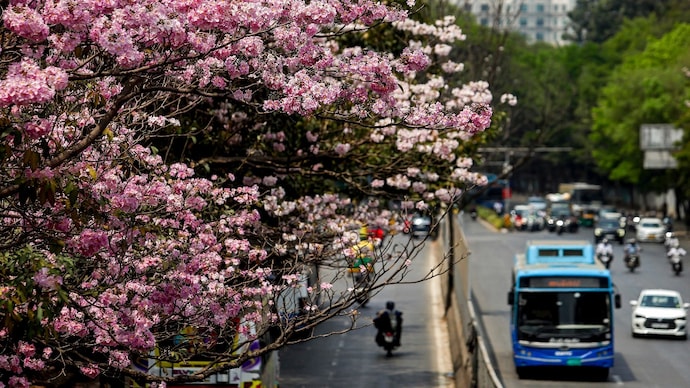

Trees are doing some of the hardest work in the world's cities to ensure that extreme heat does not make places unlivable. They are cooling roads, providing shade for the pavements, and pushing back against the relentless rise of urban heat.
But a new global study has found that this green shield is failing precisely in hot, crowded, lower-income cities where summers are brutal, and tree cover is thin. In other words, these low-income cities are the places that need trees the most as temperatures continue to rise.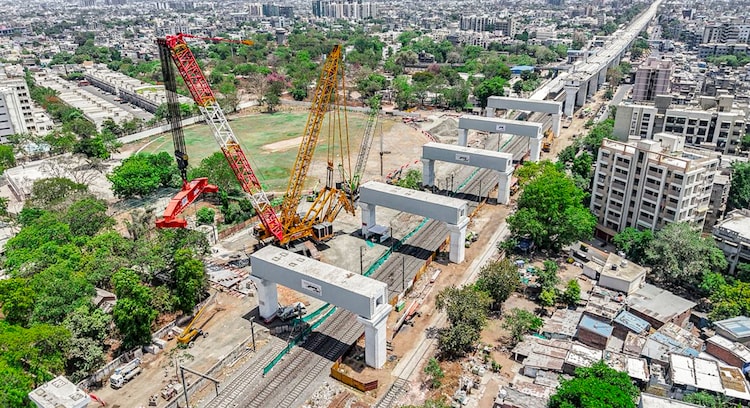
After analysing 9,000 large cities worldwide, researchers found that trees cool urban areas by an average of 0.15°C through shade and water vapour.
Without them, cities would be nearly twice as hot, trapped under the urban heat island effect, where concrete structures like buildings and roads absorb and re-emit heat, something India experiences every year.
WHO BENEFITS FROM TREES?
Nearly 40% of cities in wealthy nations are cooled down by over 17°C from tree cover. But when it comes to cities in the poorer nations, just under 9% of cities receive that kind of relief.
"There's this inequality," Rob McDonald, the study's lead author, told the Associated Press. "When you look at cities globally, there are many, many cities, especially in developing countries, that have very low tree cover, and so I think the air temperature cooling number was a little less than we expected."
The research explicitly identified densely populated, low-income urban areas, especially in arid and semi-arid climates, as the places where tree cover is lowest and the need is greatest.
That description fits cities like Delhi, Ahmedabad, and Jaipur.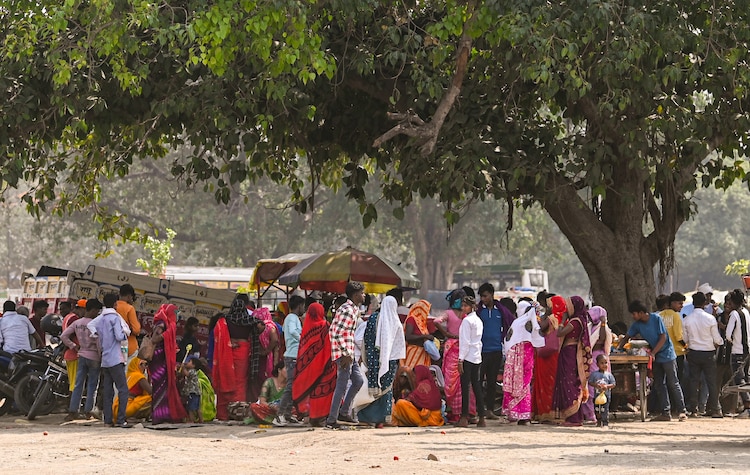
India falls in the World Bank's lower-middle income category, and nearly half of urban dwellers in large cities in low-income countries live in arid or semi-arid climates, the very conditions that leave residents most exposed.
CAN THE SITUATION BE IMPROVED?
What offers hope is the silver lining buried in the data.
Researchers found that arid cities actually have the highest tree cooling efficiency.
Meaning that each tree planted there does more cooling work than one planted in a wetter, cooler city. For India's driest urban centres, this is significant as the return on investment of urban greening is higher there than almost anywhere else in the world.
Trees will cool, but they are not the long-term solution humanity is looking for.
"Trees won't save us from climate change," McDonald said. "The climate scenarios are showing a much warmer world and there's only so much of that that tree cover can help with."
Even with maximum tree planting efforts, trees could at best reduce future urban heating by around 20%, McDonald said, a fraction of what climate change is projected to add.