Israel will remain free to act against Lebanon threats, Netanyahu tells Trump
Benjamin Netanyahu told the US President that Israel must retain freedom to act against threats, including in Lebanon, as Washington advanced talks with Iran.
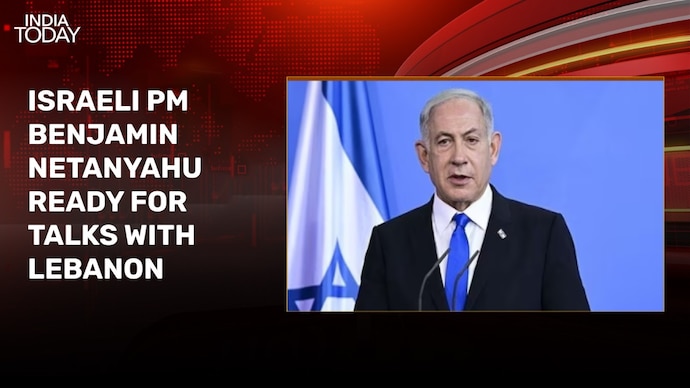
Benjamin Netanyahu is the Prime Minister of Israel and the country’s longest-serving leader. Born on October 21, 1949, in Tel Aviv, he has played a central role in Israeli politics for more than three decades. A member of the right-wing Likud party, Netanyahu first became prime minister in 1996, serving until 1999. He returned to office in 2009 and remained in power until 2021, before staging a political comeback in late 2022.
Netanyahu has built his political identity around national security, a tough stance on Iran, and expanding Israel’s diplomatic ties in the Middle East. Under his leadership, Israel signed the Abraham Accords, normalising relations with several Arab states in 2020. Domestically, he has overseen economic growth alongside deep political divisions.
Netanyahu remains one of the most influential and polarising figures in Israeli political history.
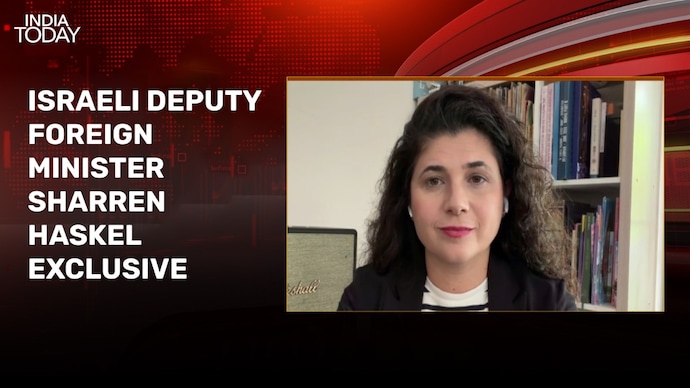
In an exclusive interview with India Today, Israel's Deputy Foreign Minister Sharren Haskel discusses the escalating tensions in West Asia, US-Iran peace talks and much more.
In this episode of News Today, the focus is on the high-stakes peace negotiations between the United States and Iran, which will be held in Islamabad on Saturday.
US President Donald Trump has warned Iran against charging fees on ships passing through the Strait of Hormuz.
Israeli Prime Minister Benjamin Netanyahu has instructed his cabinet to begin direct negotiations with Lebanon as soon as possible.
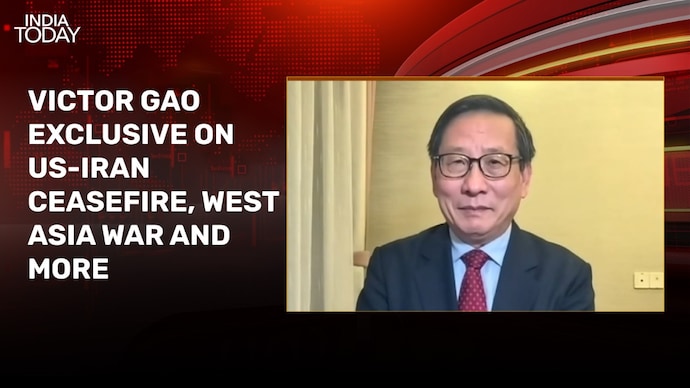
In an exclusive interview with India Today, Victor Gao, Vice-President of the Beijing-based Centre for China and Globalisation, said China is on the side of Iran in its fight for its sovereignty and territorial integrity.
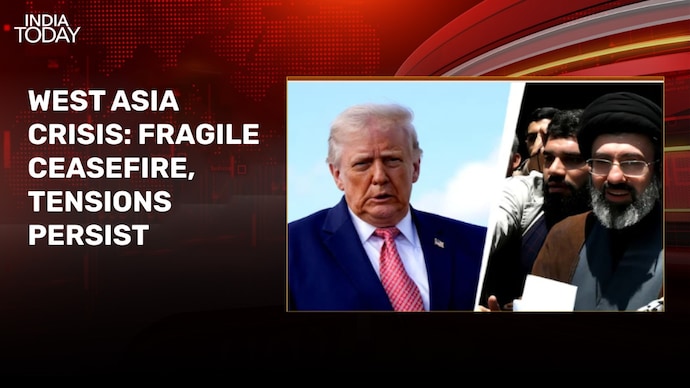
This episode of News Today examines the fragility of the US-Iran ceasefire following Israeli strikes in Lebanon.
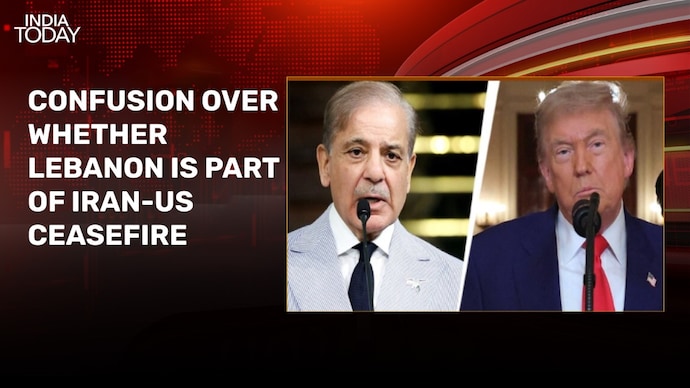
A fragile 14-day ceasefire between the United States and Iran is under severe strain, with significant disagreement over whether Lebanon is included in the terms.
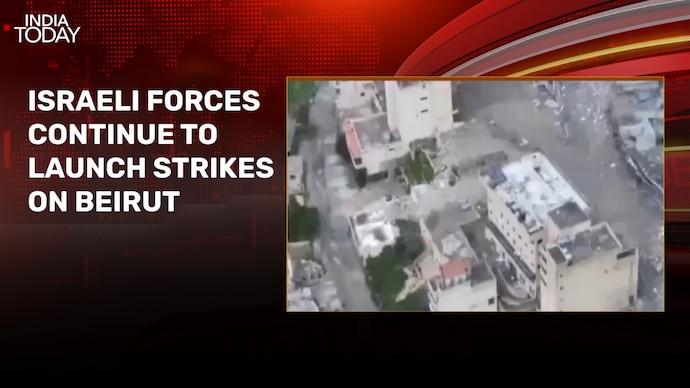
Israeli forces have launched a massive air offensive on central Beirut, targeting areas like Qurnaysh al-Mazraa and the Abu Haider Tower, despite a recently announced two-week ceasefire in the region. The strikes have resulted in at least 89 deaths and over 700 injuries.
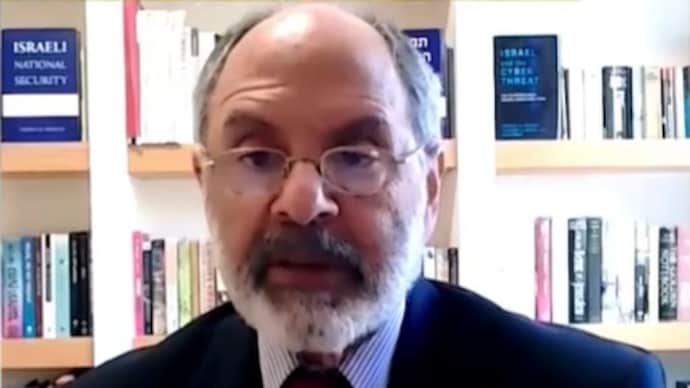
In an exclusive interview on Statecraft, Professor Chuck Freilich, former deputy national security adviser of Israel, analyses the ceasefire between the US and Iran. He describes the conflict as a “military success but a strategic failure”, noting that while Iran’s capabilities were degraded, core objectives such as regime change and ending nuclear threats were not met. The bulletin also explores Oman’s underutilised potential as a strategic partner for India, highlighting how ports like Duqm and Salalah could enable Indian trade and energy imports to bypass the volatile Strait of Hormuz. Additionally, the show examines the controversial role of Pakistan as a mediator in the “Islamabad Accord”, amid allegations that it acted as a proxy for US interests. Israeli Prime Minister Benjamin Netanyahu’s first briefing after the ceasefire is also covered, where he clarified that the campaign is not over and that Iran has committed to reopening the Strait of Hormuz, while Israeli operations against Hezbollah in Lebanon continue.
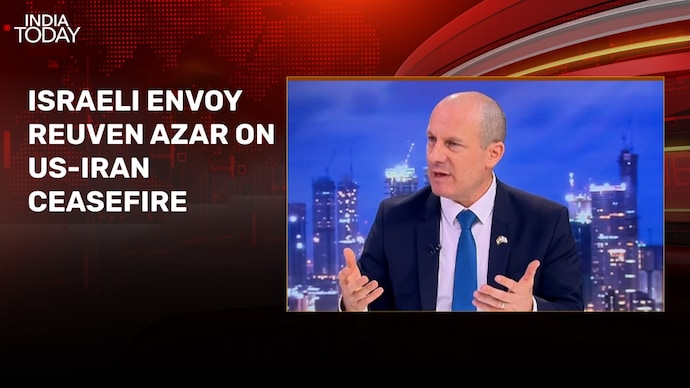
In an exclusive interview on India Today, Israel's Ambassador to India, Reuven Azar, discusses the ceasefire between the United States, Israel, and Iran and the road ahead following 38 days of conflict.
In an exclusive interview with India Today, former NATO deputy commander General Sir Richard Shirreff called the ceasefire between the United States and Iran the greatest strategic disaster for America since the Vietnam war.
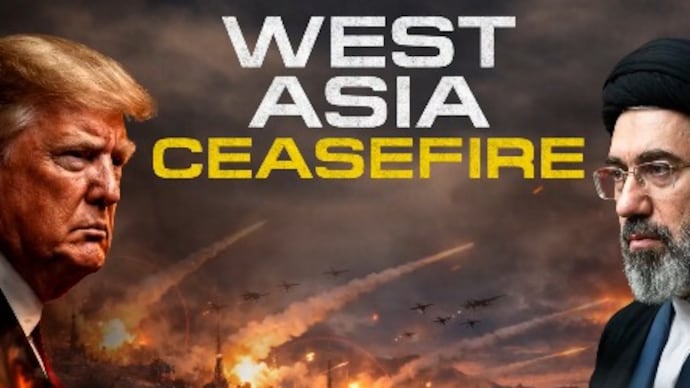
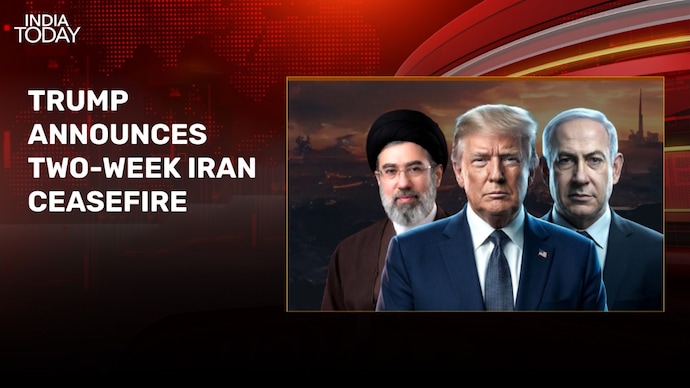
US President Donald Trump agreed to a two-week ceasefire with Iran hours before his deadline for Tehran to reopen the Strait of Hormuz was to end.
US President Donald Trump on Tuesday agreed to a two-week ceasefire just hours before the deadline for Iran was to expire, but the tensions in the region still continue.
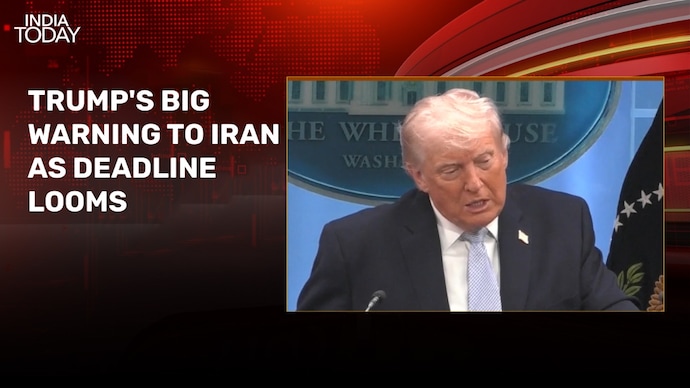
The big talking point of this edition of News Today is the escalating West Asia crisis as US President Donald Trump issues a fresh threat to Iran as deadline approaches.
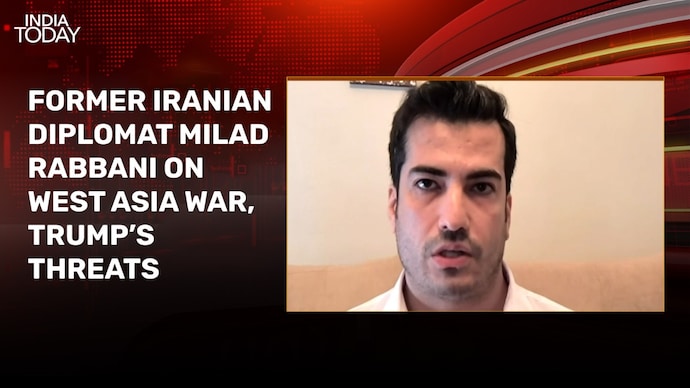
In an exclusive interview with India Today, Milad Rabbani, a former Iranian diplomat, provides a critical perspective on the escalating tensions between Iran and the United States.
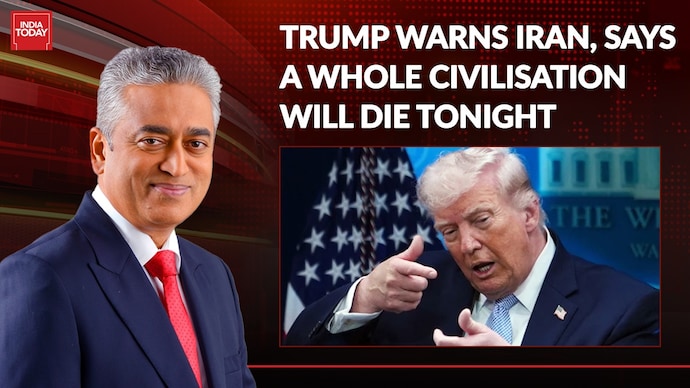
Hours before the deadline to reopen the Strait of Hormuz, US President Donald Trump issued a fresh threat to Iran stating 'a whole civilisation will die tonight'.
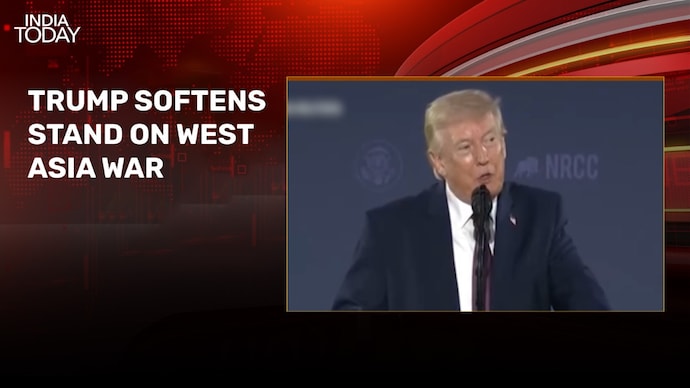
Day 33 of the West Asia war sees President Donald Trump soften his stance, stating he is ready for a ceasefire if the Strait of Hormuz reopens.
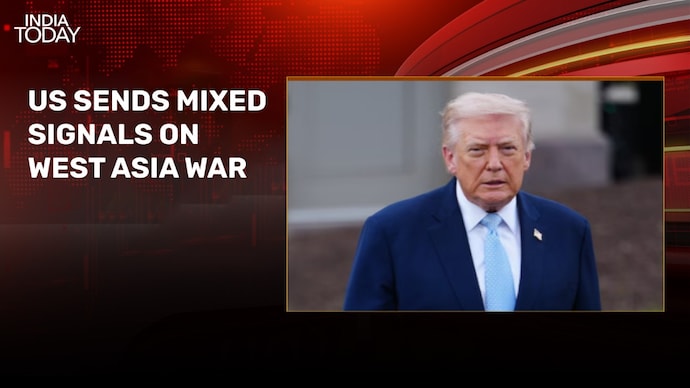
The US-Iran conflict intensifies with contradictory signals from Donald Trump and his administration, leaving the war's endgame uncertain. Trump threatens major strikes against Iran's infrastructure, warning he will obliterate all of Iran's electric generating plants, oil wells, and Kharg Island if the Strait of Hormuz is not immediately opened.
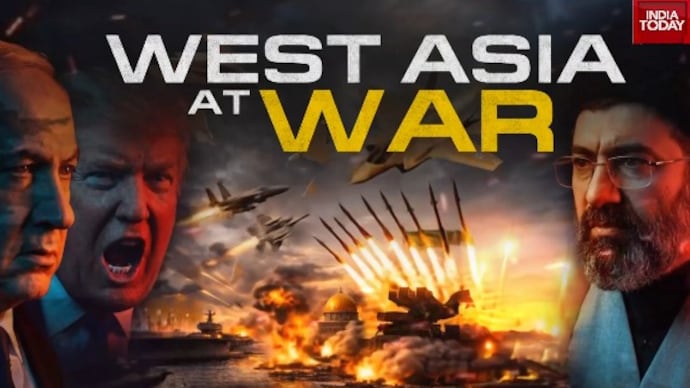
The West Asia conflict enters a critical phase as contradictory signals emerge from Washington. President Donald Trump suggests the war could end within weeks, yet the US is executing its largest military buildup in the region since 2003.
Israel has instructed its army to push deeper into Lebanon, aiming to create a wider buffer zone extending to the Litani River along its northern borders.