Topic

Advertisement
TOPIC

Electric Vehicles

Electric vehicles are no longer a novelty. Ten years ago you might spot one now and then, mostly as a curiosity. Today, it is not unusual to see them weaving through city traffic or parked quietly at charging points. The shift has been slow, but steady.

At the core, EVs replace the fuel tank with a battery and swap engines for motors. Simple on paper, but the change has meant rethinking how people drive, how cities plan, and even how countries manage energy. Governments push them to reduce emissions. Car makers chase them because no one wants to be left behind.

Still, doubts remain. The phrase “range anxiety” keeps coming up. Drivers worry: will the battery last, where’s the next charger, and what if it takes too long? Improvements are visible newer models travel much farther on a single charge, and fast chargers can top up in under an hour. Yet you still see people hesitating at the idea of a long trip.

Money is another sticking point. EVs often cost more at the start, though some governments soften the blow with tax breaks and subsidies. Running costs are lighter electricity is cheaper than petrol, and there are fewer parts that need fixing. Over time, owners say, it balances out.

But infrastructure is the make-or-break issue. Charging points need to multiply quickly, and power grids must carry the load. There’s also the debate about where electricity comes from. If it’s coal-heavy, the green promise weakens.

Even with all that, the direction feels set. From small hatchbacks to luxury SUVs, the electric wave keeps building. For many, EVs are not just cars anymore they’re a glimpse of how mobility will look in the near future.

...Read More
  • ALL
  • STORIES
  • VIDEOS

STORIES

China trains rare earth experts while world struggles to catch up in EV race

China is building a tightly linked education and industry system to train rare earth experts who process materials vital for electric vehicles, defence systems and clean energy. While global powers invest heavily to catch up, China’s decades-long talent pipeline and tight industrial integration give it a strong strategic advantage today.

Delhi’s EV policy | The EV ultimatum

Delhi’s draft EV Policy 2.0 proposes a hard shift from petrol two-wheelers alongside wider electrification mandates. But poor charging infrastructure comes in the way of its good intentions

Load More

VIDEOS

The AI data center backlash: India's warning sign | Tata Tiago EV tech & Xiaomi 17T full review | Tech Today

The race for faster artificial intelligence is expanding globally, but it is colliding head-on with a massive physical reality. In this episode of Tech Today, we explore the heavy environmental toll of the infrastructure powering our digital world, test a tech-packed affordable EV, and review a new photography powerhouse. Big Tech Story: The Real Cost of AI Boom Everyone wants faster chatbots and instant AI image generation, but almost nobody is looking at the physical data centers making it happen. These massive facilities demand enormous amounts of power, land, and water for cooling. From Northern Virginia to Chile and Ireland, local communities are pushing back against severe strains on electrical grids and scarce water resources. Now, India is facing its first major warning sign. We look at the 15 billion dollar data center hub in Visakhapatnam, the subsequent social media censorship surrounding it, and why India must find a transparent, responsible path forward to build its AI future without making citizens pay the hidden environmental cost. Auto Intelligence: Tata Tiago EV Electric vehicles are moving into the Indian mainstream, and Tata is targeting accessibility with the updated Tiago EV. We put this entry-level electric hatchback to the test to see if affordable mobility can still feel high-tech. Premium Tech & Safety: Featuring a refreshed design, a unique rotary drive dial, a 10.25-inch floating infotainment screen, and a segment-first 360-degree camera system. It also comes standard with six airbags and connected-car companion app functionality. Battery & Range: Delivering an estimated range of up to 215 kilometers, the Tiago EV supports improved DC fast-charging that juices the battery from 20 to 80 percent in just 30 minutes. Plus, Tata is addressing buyer anxiety by offering a lifetime warranty on the battery pack. Tech Review: Xiaomi 17T Xiaomi is changing its tactics in the mid-range segment, shifting focus toward versatile physical hardware over computational marketing buzzwords. We review the new Xiaomi 17T to see if it is the complete package. Leica Periscope Camera: The main highlight is the periscope telephoto system featuring a 50MP main Leica camera with OIS, a 12MP ultra-wide, and a 50MP telephoto lens capable of 5X optical zoom and up to 120X AI zoom. It delivers excellent multi-focal portraits and clean low-light shots. Specs & Battery: Powered by the MediaTek Dimensity 8500 Ultra processor with 12GB RAM, UFS 4.1 storage, and a bright 6.59-inch AMOLED display. It packs a massive 6500mAh Silicon Carbon battery that easily lasts 2 full days on a charge, supported by 67W fast charging. What do you think about the hidden resource costs behind your favorite AI tools? Are you ready to make the switch to an affordable EV? Let us know in the comments below. Share this video with a friend and hit Subscribe to catch our upcoming coverage of Apple's WWDC from Apple Park in Cupertino!

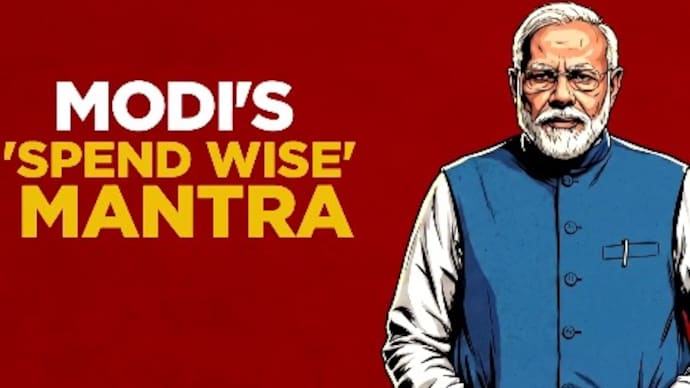
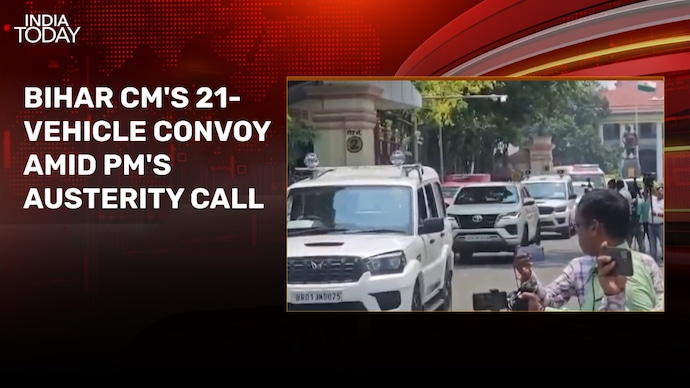
PM Modi cuts down convoy size: Is government preparing country for tough times?

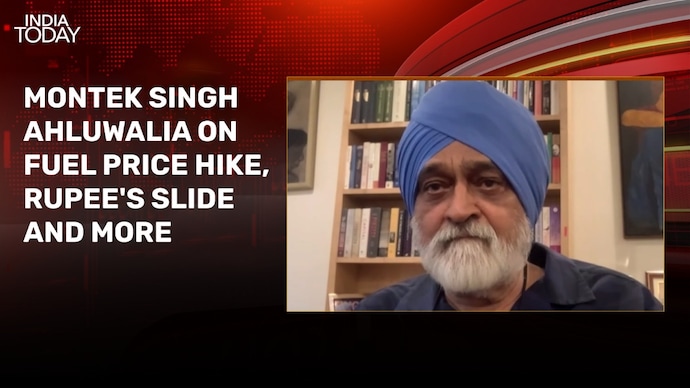
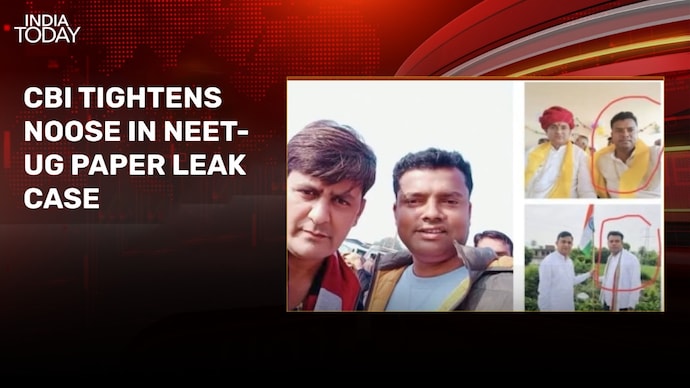
The central government has implemented austerity measures, including reducing ministerial convoys to two vehicles, in response to a looming fuel crisis driven by West Asian geopolitical tensions. While the ruling party frames this as a necessary fiscal step, opposition leaders have labeled the move tokenism, demanding a special parliamentary session to address the economic situation and rising oil prices. Simultaneously, the national currency has depreciated to an all-time low against the dollar, prompting calls from experts for fiscal consolidation and reduced political populism. Amidst these economic challenges, a major controversy has emerged regarding the national medical entrance examination. Investigations into an alleged paper leak and an interstate exam mafia have resulted in multiple arrests across several states, revealing potential political links. Education experts are now advocating for a complete overhaul of the testing system, suggesting decentralized, computer-based examinations to ensure future transparency. Transparency activists further urge the government to disclose fuel stock data to prevent public panic and hoarding during this period of economic instability.

Call for austerity after election campaigning? Experts decode timing of PM's appeal

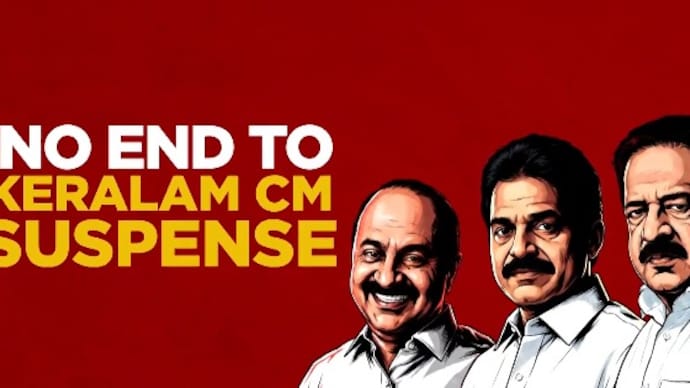
The Prime Minister has urged citizens to adopt austerity measures, including reducing fuel consumption and limiting gold purchases, as escalating West Asia tensions drive global crude oil prices higher. State-owned oil firms face significant financial losses while the national currency weakens against the dollar. During a televised debate, the ruling party defended these measures as necessary for economic stability, while the opposition criticised the government for placing the burden on citizens. In Tamil Nadu, the AIADMK faces a potential split as thirty rebel lawmakers met the pro-tem speaker ahead of a crucial floor test. Meanwhile, in Telangana, a Union Minister's son has been booked under the POCSO Act for alleged sexual harassment, leading to accusations of delayed investigations. In Kerala, the national leadership has yet to finalise a Chief Minister candidate a week after election victory. Additionally, a film producer addressed censor board delays and a lead actor's political transition. These developments highlight significant political and economic shifts across India, from energy policy to regional leadership transitions.

PM’s austerity push sparks political firestorm. Message for people, not politicians?

Prime Minister Narendra Modi's appeal to the public for the adoption of several austerity measures to mitigate the economic impact of the West Asia crisis has sparked a political confrontation. He urged citizens to reduce fuel consumption, utilise public transport, and limit gold purchases to preserve foreign exchange reserves. Opposition leaders criticised the appeal, questioning the continuation of large-scale political roadshows and demanding a special parliament session to address inflation and fuel taxes. During televised debates, ruling party representatives defended the nation's economic stability, while analysts highlighted structural financial strains. Simultaneously, West Bengal announced an administrative reshuffle, appointing the former Chief Electoral Officer as Chief Secretary and the Special Observer as Chief Adviser to the Chief Minister. In Kerala, the Congress high command continues deliberations over the next Chief Minister. Key contenders include the former leader of the opposition and a prominent organisational strategist. Former state party presidents have been summoned to the national capital for consultations as the party evaluates legislative support and ally preferences before making a final announcement.

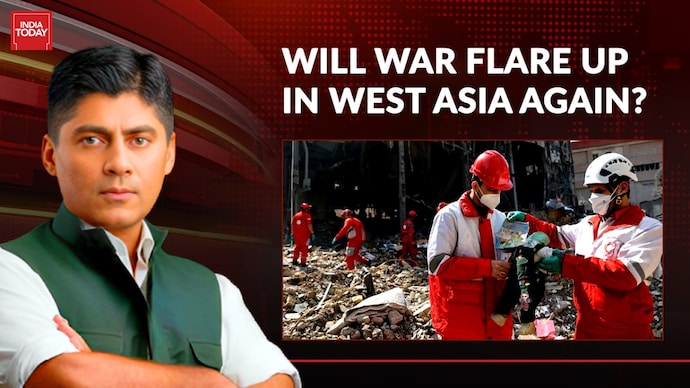
No gold for a year, fuel use cuts: Is PM readying India for a West Asia war flare-up?

Amid escalating West Asia tensions and surging global crude oil prices, the government has issued a ten-point advisory urging economic discipline to stabilise the currency. Citizens are requested to reduce fuel consumption, postpone non-essential international travel, and halt gold purchases for one year to prevent foreign exchange outflow. Recommendations include adopting electric vehicles, utilising public transport, and promoting domestically manufactured goods. Economic experts analyse these measures, emphasising the need for government austerity and policies to boost exports. Concurrently, the United States has rejected an Iranian peace proposal, heightening geopolitical concerns regarding the Strait of Hormuz and nuclear sanctions. In a separate development, the Prime Minister marked the seventy-fifth anniversary of the Somnath Temple Prana Pratishtha, releasing a commemorative stamp and coin. This visit coincided with the anniversary of the 1998 nuclear tests, linking spiritual heritage with national security and scientific progress. The broadcast highlights the intersection of civilisational significance, strategic military strength, and the urgent need for renewable energy adoption during this global crisis.

Amid Hantavirus alert, doctors explain how Andes strain spreads, why it's deadly

The Prime Minister has issued an urgent austerity appeal, advising citizens to reduce fuel consumption, avoid gold purchases, and limit foreign travel due to rising crude oil prices and global economic pressures. This announcement triggered a sharp domestic stock market sell-off and drew criticism from opposition parties. Tensions escalated after a Samajwadi Party Member of Parliament from Uttar Pradesh used objectionable language against the Prime Minister, leading to demands for accountability. Simultaneously, a global health alert was issued following a deadly Hantavirus outbreak on a luxury cruise ship off the coast of Spain. The vessel reported multiple fatalities linked to the Andes strain, with two Indian crew members currently under quarantine. While health agencies have activated emergency containment protocols, medical experts clarify that the virus primarily spreads through rodents and human-to-human transmission remains limited. Meanwhile, diplomatic friction persists as Iran’s Foreign Ministry spokesperson expressed mistrust regarding international negotiation proposals aimed at resolving the ongoing West Asia crisis and threats to the Strait of Hormuz.

As Pak mediates US-Iran talks, is India quietly reshaping balance of power?

The latest episode of Statecraft captures a rapidly shifting geopolitical landscape where diplomacy, strategy and power moves are unfolding in parallel. At the centre is Pakistan, hosting a second round of US-Iran talks — a notable shift for a country once viewed with scepticism. Its role as mediator reflects a calculated effort to regain relevance, backed by offers of counterterrorism cooperation, access to critical minerals and emerging financial avenues. At the same time, broader dynamics reveal a mix of resilience and quiet assertion. China has cushioned the impact of disruptions in the Strait of Hormuz through large oil reserves and a growing shift to renewables and electric vehicles. India, meanwhile, is moving ahead with a €5 billion submarine deal with Germany aimed at strengthening its position in the Indian Ocean through advanced stealth capabilities and local manufacturing. Alongside this, Indian and US officials are working to finalise the first phase of a trade agreement after tariff reductions signalled improved economic ties. Yet beneath these developments lies a deeper concern — satellite imagery showing major oil spills in the Persian Gulf linked to ongoing strikes.

Geeta Mohan Reports: PM Modi, Ursula von der Leyen Announce India-EU Free Trade Agreement

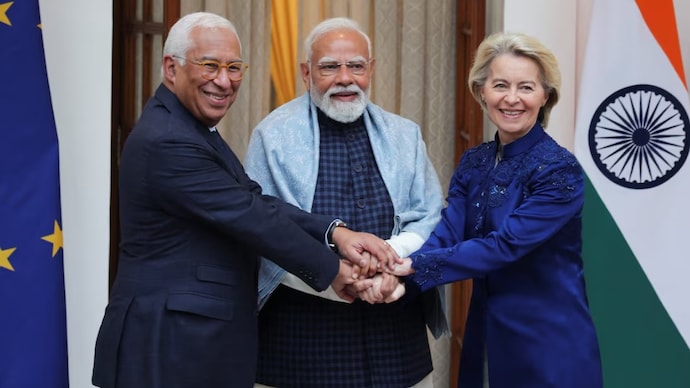
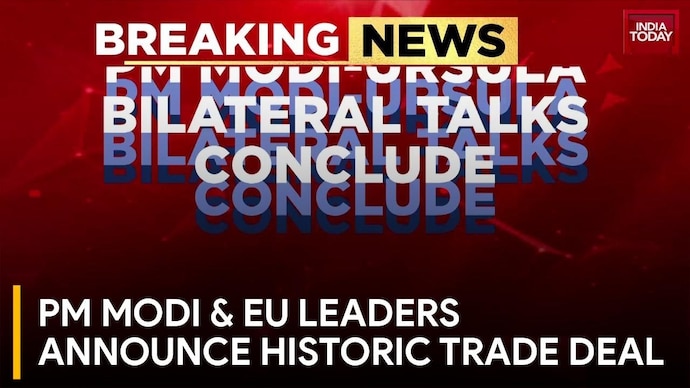
On this Special Report, Geeta Mohan covers the landmark announcement of the Free Trade Agreement (FTA) between India and the European Union. Prime Minister Narendra Modi, European Commission President Ursula von der Leyen, and European Council President António Costa convened to signal the conclusion of the pact, which von der Leyen described as the 'mother of all deals'. The agreement aims to streamline trade across 27 member states, focusing on supply chain resilience and reducing tariffs. A significant highlight for Indian consumers is the expected price relief on luxury car imports from brands like Mercedes, BMW, and Audi, though electric vehicles are currently excluded from these benefits. The report notes that while the political conclusion is reached, legal scrubbing and approval from the European Parliament will follow. National Security Advisor Ajit Doval and External Affairs Minister S. Jaishankar were also present, highlighting the strategic depth of this partnership amidst global economic upheavals and the need for alternative supply chains.

Government To Release Advanced GDP Estimates; AI Skilling Plan And Trump Tariff Refund In Focus

On this Business Today market opening show, the anchor tracks the latest corporate and financial news. The government is scheduled to announce advanced GDP estimates, with polls predicting 7.5% growth. A new initiative aims to train one million youth in AI skills, with the IT Minister claiming a surge in hiring. Global cues include a US agency preparing to refund $134 billion in tariffs deemed illegal. In the stock market, Tata Capital and Misho face share lock-in expiries, while Reliance Industries attempts to stabilize. The broadcast also reviews Q3 earnings expectations and updates from companies like Titan and Senco Gold.

Special Report: Pollution Ban Hits Daily Wagers; High Court Order In Unnao Case Sparks Outrage

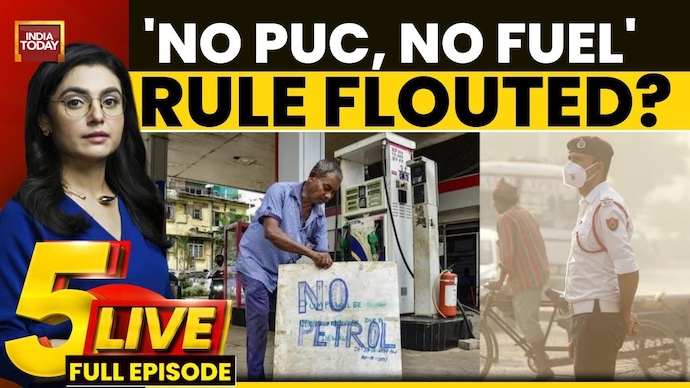
This news report covers the dual crises impacting Delhi: severe air pollution and significant legal decisions. Union Transport Minister Nitin Gadkari highlighted the health emergency, stating he falls ill from the pollution and acknowledging that vehicles contribute 40% of emissions. The environmental issue has direct economic consequences, as anti-pollution construction bans have left daily wage labourers in financial distress, with many alleging they have not received promised government relief. Further compounding the city's challenges, an investigation has exposed a fake PUC certificate scam. In a separate major development, the Delhi High Court suspended the life sentence of a convict in the Unnao gangrape case, a decision that has sparked a debate on the justice system and women's safety, drawing comments from activists and the mother of the Nirbhaya case victim.

Centre Forms Panel To Tackle Pollution, Eyes Japanese Tech To Curb Dust By 90%

In this special report, India Today’s Sonal Mehrotra Kapoor and correspondent Piyush Mishra discuss the central government's latest measures to combat the pollution crisis. Mishra reports that the Centre is establishing a central working committee to tackle air pollution, with a focus on introducing advanced Japanese technology aimed at reducing dust emissions by 90%. The report highlights that dust is a major component of pollution in Delhi and Uttar Pradesh. Additionally, the government plans to introduce stricter policies to promote Electric Vehicles (EVs) to address vehicular pollution. Transport Minister Nitin Gadkari is cited regarding the impact of emissions.

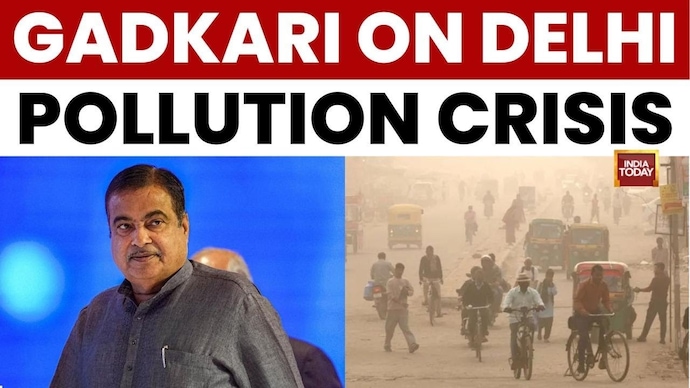
Nitin Gadkari Admits Delhi Pollution Crisis, 40% Caused by Transport Sector

Union Minister for Road Transport and Highways Nitin Gadkari has made a candid admission about the severity of air pollution in the national capital. Speaking at a book launch, Gadkari revealed that staying in Delhi for just two days causes him to develop a throat infection. He acknowledged that the transport sector, which he heads, contributes to '40 per cent' of the pollution. The Minister highlighted the economic burden of fossil fuels, stating that India spends Rs 22 lakh crore annually on imports. He advocated for a shift towards alternative fuels like electric and hydrogen vehicles to combat the crisis. The programme also discusses the political blame game as the capital continues to grapple with hazardous air quality.