Insurers cash in on unlimited health insurance, leave fine print to customers
In the second part of The Unlimited Illusion, we examine what insurers really mean by “unlimited” health cover and why customers often discover the limits only later.

Health insurance is a financial safeguard that covers medical expenses arising from illness, injury, or hospitalization. By paying a regular premium, policyholders receive protection against high treatment costs, including doctor consultations, diagnostic tests, surgeries, and emergency care. This reduces the financial burden during medical crises and ensures timely access to quality healthcare.
Health insurance plans come in various forms, such as individual policies, family floater plans, senior citizen plans, and critical illness coverage. Many policies also offer features like cashless hospitalization, pre- and post-hospitalization benefits, and annual health check-ups. Choosing the right plan depends on factors like age, medical history, coverage needs, and budget.
With rising healthcare costs, having health insurance is essential for financial security. It not only protects savings but also promotes better health management through preventive care options and wellness benefits.
The conflict has triggered fuel crises in Bangladesh and Pakistan, though Indian supplies remain stable. Iranian President Massoud Pezeshkian maintains a stance of national resilience despite ongoing strikes.
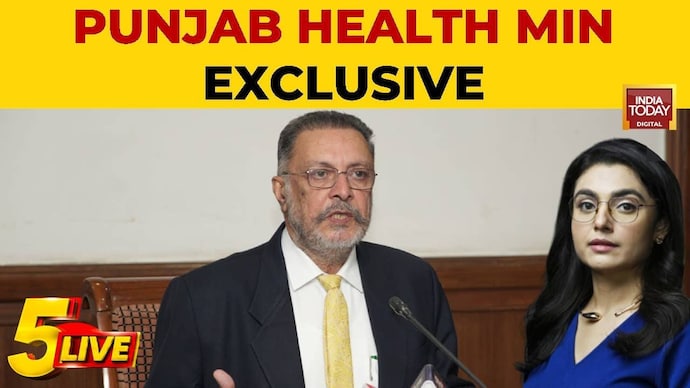
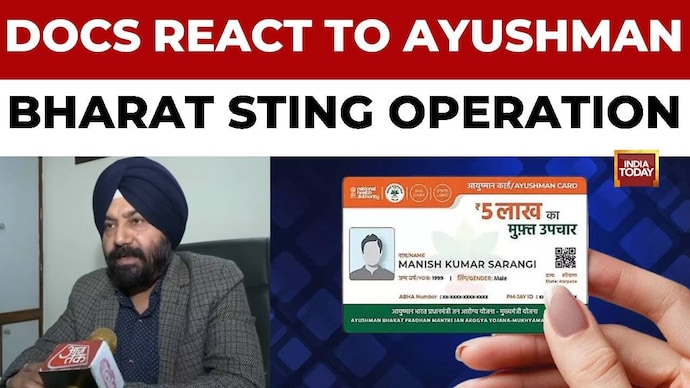
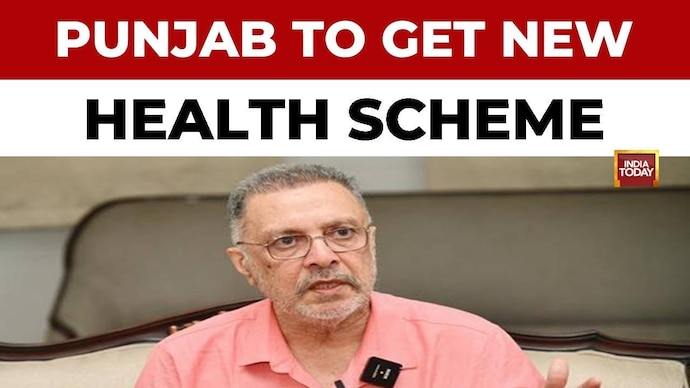
On this Special Report, Punjab Health Minister Dr Balbir Singh addresses the fallout from an India Today investigation into the Ayushman Bharat Yojana. Following reports of hospitals denying treatment or illegally charging beneficiaries, the Punjab government has issued show-cause notices to JP Diagnostics in Zirakpur and Indus International Hospital in Dera Bassi. Dr Balbir Singh stated, 'Central government owes Punjab 300 crore rupees,' while criticising the funding model where the Centre allegedly pays only 20 percent despite a 60-40 cost-sharing agreement. The Minister highlighted that while the state has allocated 1200 crore rupees to cover the entire population, delays and budget limits from the Centre continue to hamper the scheme. He confirmed having raised these concerns with the Union Health Minister twice. The programme examines the friction between the state and Centre over healthcare reimbursements and the impact on 16 lakh families in Punjab.
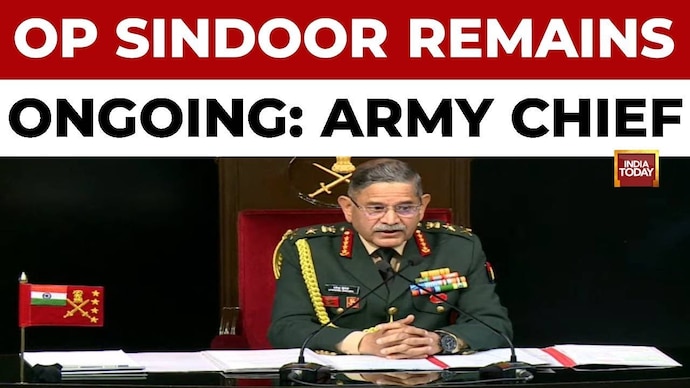
An unidentified speaker, presented in the bulletin as the Army Chief, delivers a warning on terrorism and says the operation is continuing. The key line is: 'Operation Sindoor remains ongoing. Any future misadventure will be resolutely responded to.' The speaker also describes a shift towards network-enabled multi-domain operations and lists planned capabilities including BrahMos extended range, Pinaka, QR-SAM extended range, drones and munitions. The transcript mentions reduced acquisition timelines under emergency procurement, greater funding, and empowerment of commanders with procurement powers. It also details logistics modernisation with logistic drones and robotic mules, claims major progress on indigenisation of ammunition, and outlines initiatives on quantum, AI platforms, sovereign LLM development, and the secure Samba mobile phone.
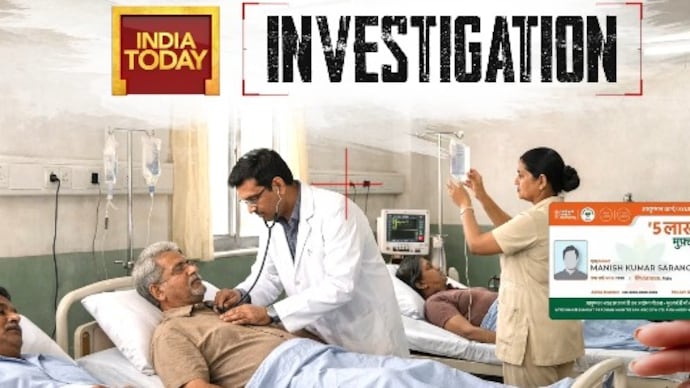
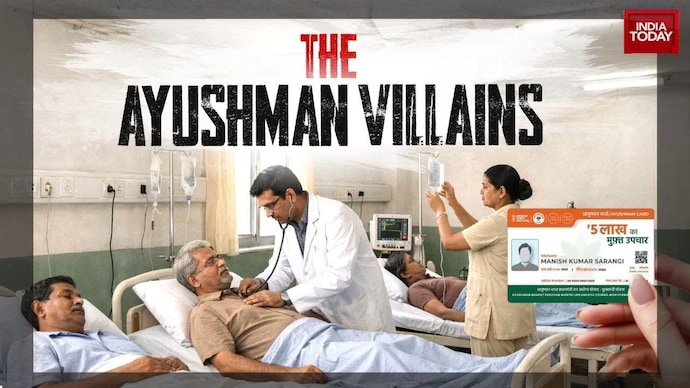
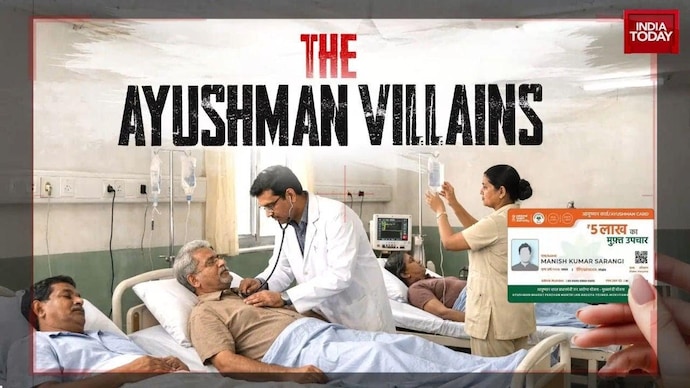
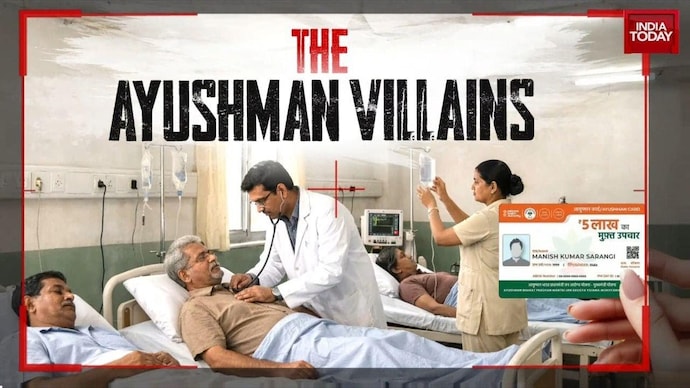
An India Today special investigation, 'Operation Ayushman,' exposed how numerous empanelled private hospitals deny cashless treatment to eligible patients and demanding cash payments across Delhi NCR, Punjab, and Himachal Pradesh.
This special report by India Today investigates the ground reality of the Ayushman Bharat Yojana, India’s largest publicly funded health insurance scheme. The investigation found repeated instances of patients being discouraged, asked to pay out of pocket, or denied treatment despite having valid Ayushman cards. The report covers hospitals across Delhi, the National Capital Region, Chandigarh, Punjab, and Himachal Pradesh. A key finding is: 'The promise of cashless healthcare ceases to exist.' Hospitals cited financial losses, pending government payments, and selective treatment policies as reasons for refusing care. The investigation raises serious questions about enforcement, accountability, and the true beneficiaries of the scheme.
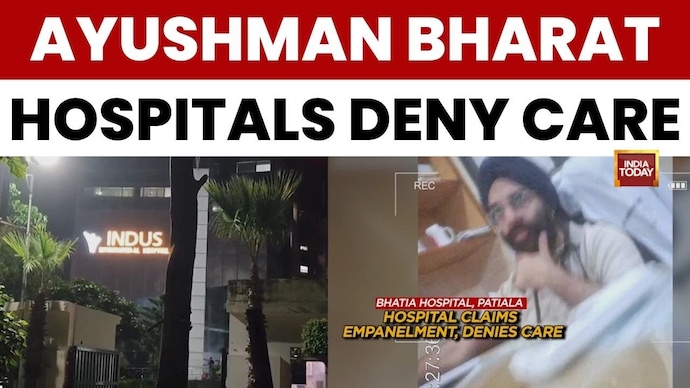
In this Special Report, India Today’s Special Correspondent Nitin Jain conducts a reality check on the Ayushman Bharat Yojana. The investigation reveals that empanelled private hospitals in Punjab, Himachal Pradesh, and Chandigarh are denying cashless treatment to poor patients. Hospitals like Indus International in Mohali and Bhatia Hospital in Patiala were found demanding cash or citing pending government dues to refuse care. Dr. SR Sharma of Navjeevan Nursing Home in Solan admitted to rejecting cards due to unpaid dues of Rs 1 crore. The report exposes the gap between the scheme's promise and the ground reality.
In this investigative report, India Today’s special correspondent Nitin Jain conducts a multi-state reality check on the implementation of the Ayushman Bharat Yojana.
On this Special Report, an India Today expose reveals the 'bitter truth' behind the Ayushman Bharat scheme. An Unidentified speaker highlights that while the government claims 'hefty numbers' of beneficiaries, patients on the ground face significant hurdles. Doctors admit that 'wait time for such patients is generally far too long' and some hospitals refuse admission due to lack of specialties or payment issues. The report also uncovers issues with 'fake cards' and biometric delays.
A Punjab minister has highlighted alleged loopholes in the central Ayushman Bharat scheme, citing limited scope and funding issues. Speaking to India Today, the minister announced the launch of a new universal state health scheme offering 10 lakh rupees cover. The transcript reveals claims that hospitals are turning away patients due to delayed payments from the Centre. The report also discusses an anti-fraud unit's role in monitoring erring hospitals.
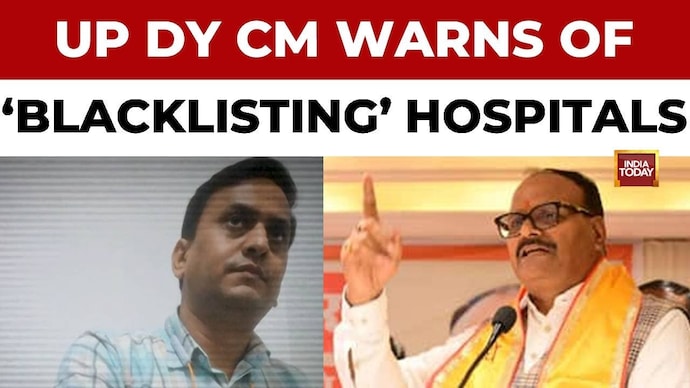
In a major impact of the India Today expose 'Operation Ayushmann', top ministers and officials have promised strict action against hospitals denying treatment to Ayushman Bharat cardholders. UP Deputy Chief Minister Brajesh Pathak assured that 'erring hospitals' will face penalties and blacklisting. The investigation revealed how private hospitals, termed 'vultures', turn away poor patients despite valid cards. Dr. Pankaj Singh also addressed the issue, stating that complaints are being handled and payments are being processed. The report highlights the struggle of the poor in Noida, Ghaziabad, and Delhi.
On this Special Report, India Today exposes critical loopholes in the Ayushman Bharat scheme. Senior Editor Kamaljeet Sandhu reports from Chandigarh on the ground reality, where hospitals are turning away patients and demanding cash. Punjab Health Minister Dr. Balbir Singh addresses the sting operation, promising an investigation by anti-fraud teams and highlighting the new 'Mukhya Mantri Sehat Scheme' to double health cover. The programme explores the gaps in healthcare delivery and the government's response.
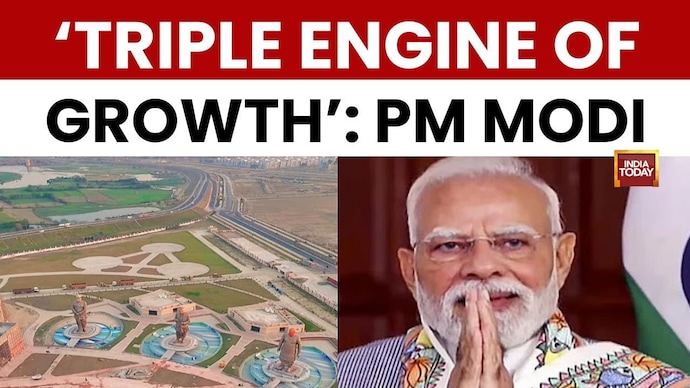
On the occasion of Good Governance Day, the address highlighted the vision of Pandit Deendayal Upadhyay and the concept of Antyodaya. The speaker emphasised that 'Modi has made Deendayalji's dream his resolution', focusing on the saturation of welfare schemes like housing, water, and electricity as 'true secularism'. The speech noted that crores of Indians have defeated poverty in the last decade. Highlighting Uttar Pradesh's progress, the address stated, 'Our UP is making its identity as an expressway state' and has become 'India's number one mobile manufacturing state'. The legacy of Atal Bihari Vajpayee in telecom and connectivity was also lauded. The address also mentioned the expansion of the metro network and the 'Golden Quadrilateral' project, asserting that the government is giving a 'new dimension' to good governance.
This Get Real India report covers the disruption of the Ayushman Bharat health insurance scheme in Chhattisgarh, where private hospitals have stopped services.
In this episode of To The Point, the focus is on the major GST restructuring, a move that provides a bonanza for consumers through tax cuts on items like medicines and health insurance.
The edition of 5Live programme analyses the GST Council's major decisions, focusing on their impact on healthcare and the economy.
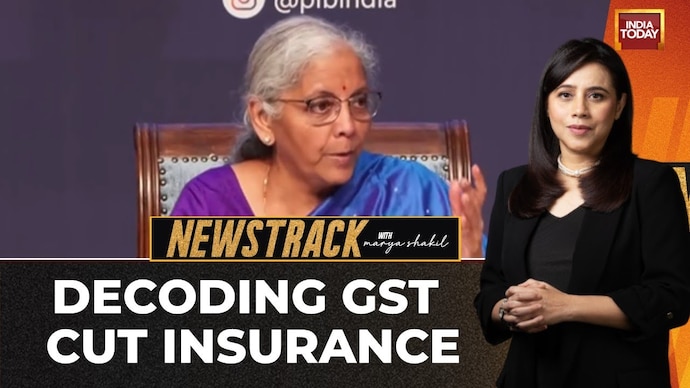
A landmark move to make health and life insurance more affordable by placing them under the Nil GST bracket is at the centre of a political debate. The decision comes at a time of high medical inflation, intended to incentivise insurance penetration. While the government, through a statement by Amit Shah, has termed it a reform that will bring "huge relief to the poor and middle class", the opposition has claimed credit. A Trinamool Congress statement attributed to Mamata Banerjee called it a "victory for common people, a victory rested. From a tone deaf regime that only listens when forced". Concerns have also been raised about the significant revenue loss for states, with questions posed on the quantum and timeline for compensation. The discussion also explores the broader economic impact, including benefits for the MSME sector through simplified compliance, rationalised duty structures, and a potential boost to consumption.
GST tax rates on common use items ranging from hair oil to corn flakes, TVs, and personal health and life insurance policies were slashed after the all-powerful GST Council on Wednesday approved a complete overhaul of the tangled Goods and Services Tax regime.
Two-day GST Council meetings are expected in September to pave the way for reforms. The announcement was made by the Prime Minister from the ramparts of the Red Fort. These reforms are seen as a Diwali gift for the middle class. Key changes include the removal of the 12% GST slab and rate rationalisation for health and life insurance policies. The government aims to reduce the GST on most items currently in the 12% slab to 5%. This move is expected to make essential items such as footwear, bags, clothes, and toothpastes more affordable. The government is addressing concerns about inflation and the rising cost of living. Feedback regarding health insurance, which impacts the common person, has also been considered. The meetings in September are crucial for approving these changes, with implementation anticipated before Diwali. The Finance Ministry and state finance ministers have been involved in the process.
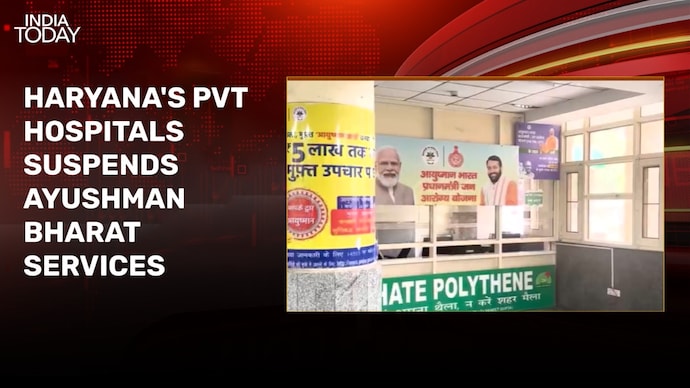
Private hospitals in Haryana have stopped admitting patients with Ayushman Bharat insurance cards. This action, effective since Thursday, involves over 650 private hospitals across the state.
The Delhi government has formed a committee to formulate and implement welfare schemes for gig workers in the national capital. The committee, headed by Sunil K Gupta, will focus on creating an IT portal for worker enrolment and coordinating with different platforms. This initiative follows the BJP's election promise to provide a social security net for gig workers such as delivery personnel.