Insurers cash in on unlimited health insurance, leave fine print to customers
In the second part of The Unlimited Illusion, we examine what insurers really mean by “unlimited” health cover and why customers often discover the limits only later.

Insurance is a financial tool that provides protection against unexpected risks such as accidents, illness, property damage, or loss of income. By paying a premium, individuals and businesses transfer the financial burden of potential losses to an insurance provider. In return, the insurer compensates them when a covered event occurs, helping reduce financial stress during emergencies.
There are various types of insurance, including life, health, motor, home, and travel insurance, each designed to address specific needs. Life and health insurance safeguard families from medical expenses and loss of income, while motor and home insurance protect valuable assets from damage or theft. Insurance also encourages long-term financial planning and stability by ensuring that unforeseen events don’t disrupt savings or investments.
Understanding insurance helps individuals choose the right coverage, manage risks effectively, and build a secure financial foundation for the future.
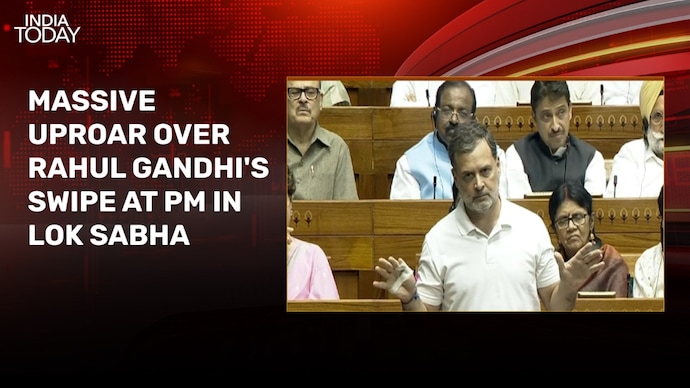
During a Lok Sabha debate on the Delimitation Bill, the Leader of the Opposition Rahul Gandhi sparked an uproar by comparing the Prime Minister to a magician whose tactics have been exposed.
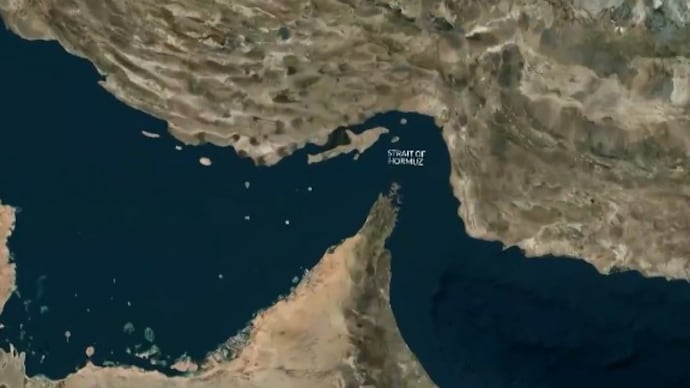
This edition of India Today Global examines the global economic shockwaves caused by a naval blockade in the Strait of Hormuz, highlighting its direct impact on energy inflation and currency stability in India.
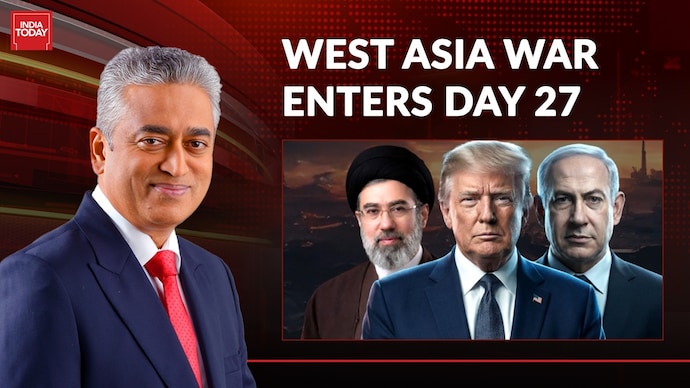
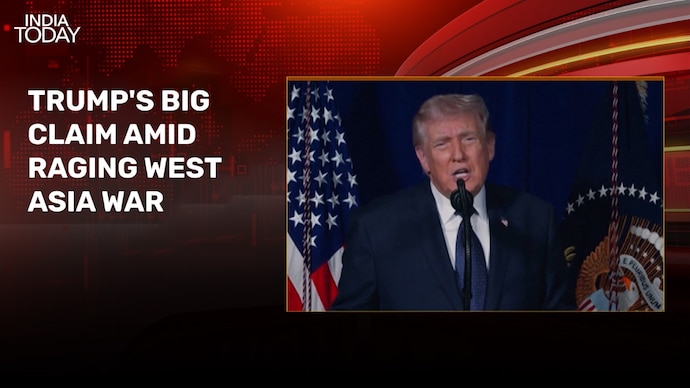
As the West Asia war enters Day 27, US President Donald Trump claimed that Iran sought a deal while warning that further delays may lead to a point of no turning back.
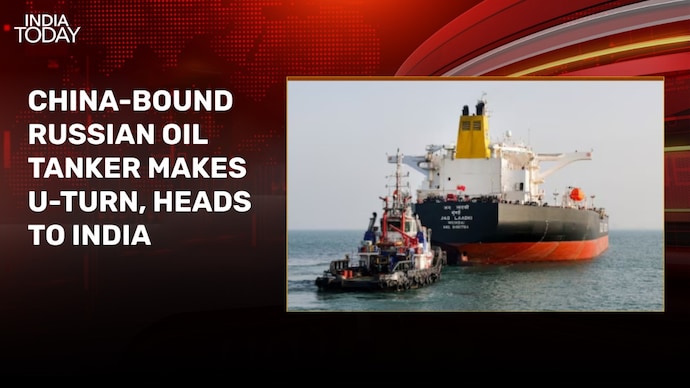
A Russian oil tanker, Aqua Titan, originally bound for China, has diverted course in the South China Sea and is now headed to India's New Mangalore port, set to arrive on March 21st.
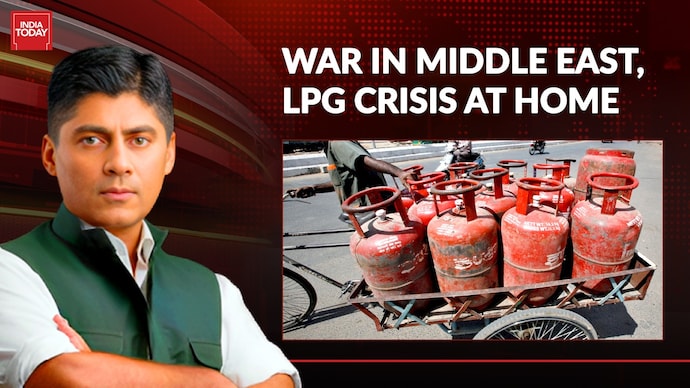
The shortage impacts 10,000 scheduled weddings in Punjab and Chandigarh and has forced street vendors to cease operations. The Indian Railway Catering and Tourism Corporation (IRCTC) has directed food plazas to utilise electric cooking methods.
The conflict has triggered fuel crises in Bangladesh and Pakistan, though Indian supplies remain stable. Iranian President Massoud Pezeshkian maintains a stance of national resilience despite ongoing strikes.
US President Donald Trump stated that Iran’s military leadership and naval assets are destroyed, claiming it is too late for negotiations
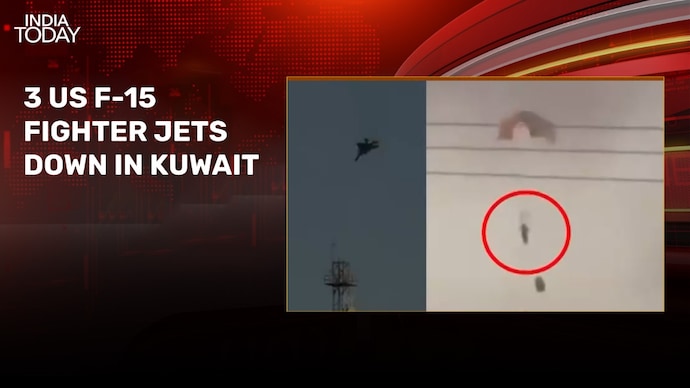
The US military has confirmed that it lost three fighter jets on Monday after they were mistakenly shot down by Kuwaiti air defence systems. All crew members on the three F-15 jets had ejected and were safe.
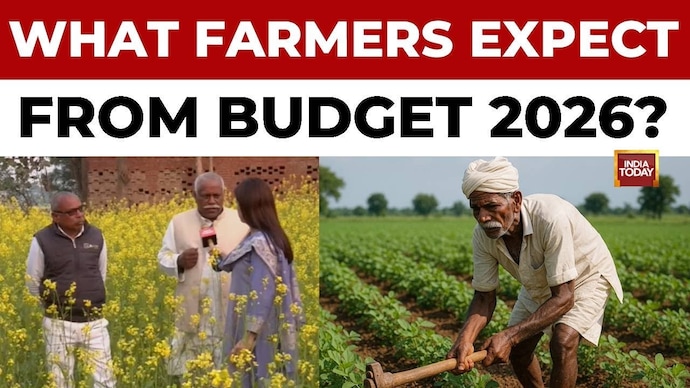
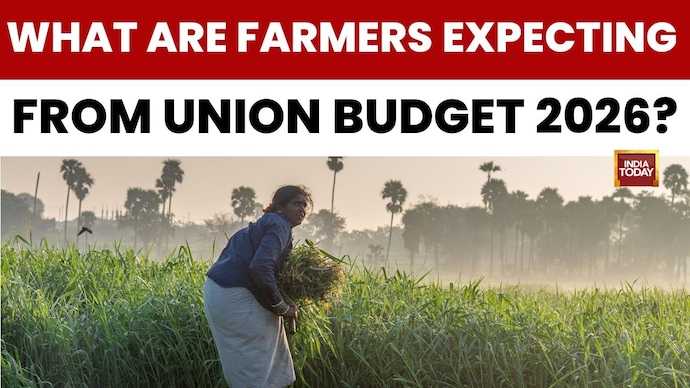
On this Special Report, Sneha Mordani explores the urgent expectations of the agricultural community ahead of the upcoming Union Budget. Reporting from Chandauli, Uttar Pradesh, Mordani highlights that the sector employs nearly 46% of India's workforce but faces rising input costs and erratic weather. A key sentiment captured from the ground is: 'We are not getting the cost of production because the profit value is very low.' Farmers expressed a desire for modern machinery, better irrigation, and a shift toward climate-resilient practices like black rice cultivation. Interestingly, many farmers stated they do not want subsidies or 'alms' but rather a fair price for their produce and a platform to sell chemical-free products. The report underscores the need for reforms in the PM Fasal Bima Yojana and investment in rural infrastructure to ensure the backbone of the rural economy remains sustainable and profitable.
On this Special Report, Sneha Mordani travels to the rural belt of Chandauli in Uttar Pradesh, often called the 'paddy bowl of India', to capture the urgent expectations of farmers ahead of the Union Budget. The agriculture sector, which employs nearly 46% of India's workforce, faces mounting pressures from rising input costs and erratic weather. One farmer highlighted the dire situation, stating, 'We are not getting cost of production. Profit is a far off thing.' The report details how the farming community is demanding a more robust Minimum Support Price (MSP) that ensures profitability rather than just covering costs. Beyond financial aid, the transcript outlines the need for modern machinery, subsidies for black rice farming, and improved irrigation facilities. Sneha Mordani notes that while the government has provided some machinery, the high operational costs remain a hurdle. The report concludes with a call for climate-resilient practices and a market platform for chemical-free products to ensure both farmer prosperity and consumer health.
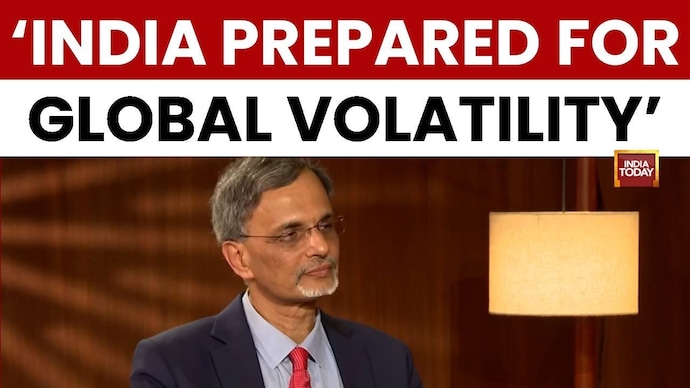
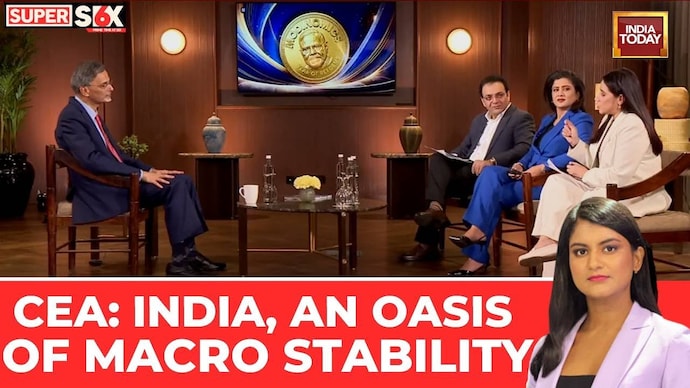
In this exclusive interaction, India's Chief Economic Advisor V Anantha Nageswaran discusses the priorities outlined in the latest Economic Survey and the trajectory of the country's 'reform yatra'. Addressing concerns over global instability, Nageswaran stated, 'The answer is we are prepared and that's it,' emphasizing that the government is investing in domestic capabilities to counter persistent volatility in the global landscape. He highlighted the success of deregulation at both union and state levels, noting that India has exceeded job creation targets by generating 15 million jobs in the last two years. The discussion also covered the landmark trade deal with the European Union, which Nageswaran believes will significantly benefit labor-intensive sectors like textiles and gems. On the subject of Foreign Direct Investment, he noted that resolving tariff uncertainties and maintaining policy predictability remain key to attracting global value chains. Nageswaran remains optimistic about India's 'Goldilocks phase', asserting that the current economic momentum is a result of cumulative efforts over the past decade.
On this Special Report, Chief Economic Advisor V. Anantha Nageswaran discusses the drivers behind India's recent economic reforms ahead of the Union Budget. Addressing the impact of global shifts, he states, 'I would not necessarily attribute the reformed dynamism to the geopolitical situation, although, doubtless, it would have played its part.' Nageswaran clarifies that key policy shifts, including the opening of the nuclear power sector to foreign and private investors, the liberalisation of the insurance sector, and the implementation of the labor code, were in development long before current geopolitical uncertainties arose. He emphasizes that while global factors are a consideration in India's policy calculus, the momentum for these structural changes was already established. The conversation provides a glimpse into the government's long-term economic strategy and what to expect as the nation counts down to the big budget day.
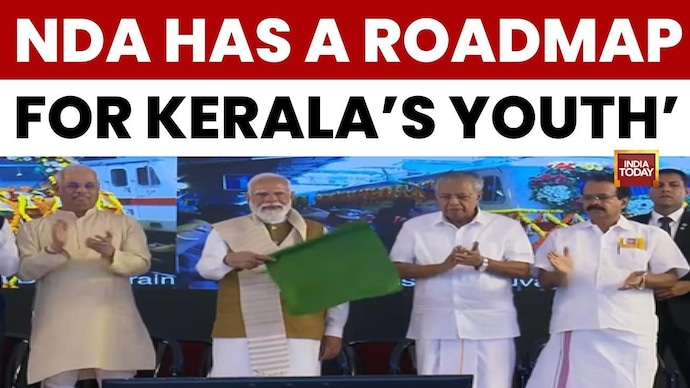
In this address, an unidentified speaker discusses the development roadmap for Kerala, emphasizing the role of the youth in the state's progress. The speaker highlights various central initiatives, stating, 'NDA has a roadmap for creating employment opportunities for Kerala's youth.' The transcript details benefits provided to the fishing community, including the extension of Kisan Credit Cards to fishermen and a five-lakh insurance cover. The speaker also mentions the modernization of boats for deep-sea fishing. Furthermore, the address touches upon the 'Atmanirbhar Bharat' campaign and India's growing international agreements with regions like the Gulf and Europe, suggesting these pacts will significantly benefit Kerala. The speaker criticizes the Congress party for allegedly misleading the youth and stresses the necessity of a 'double engine government' in the state to fully realize these opportunities and infrastructure goals like electrification.
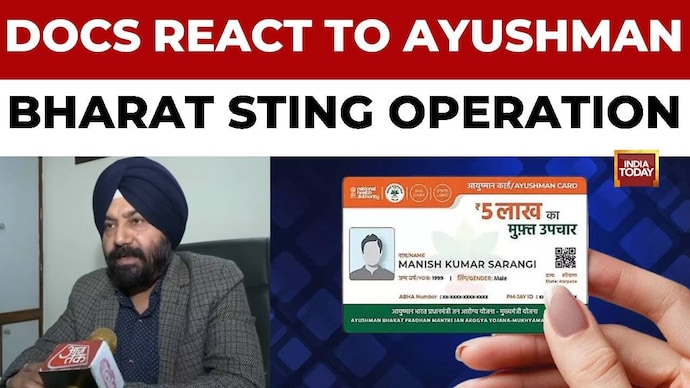
On this Special Report, Punjab Health Minister Dr Balbir Singh addresses the fallout from an India Today investigation into the Ayushman Bharat Yojana. Following reports of hospitals denying treatment or illegally charging beneficiaries, the Punjab government has issued show-cause notices to JP Diagnostics in Zirakpur and Indus International Hospital in Dera Bassi. Dr Balbir Singh stated, 'Central government owes Punjab 300 crore rupees,' while criticising the funding model where the Centre allegedly pays only 20 percent despite a 60-40 cost-sharing agreement. The Minister highlighted that while the state has allocated 1200 crore rupees to cover the entire population, delays and budget limits from the Centre continue to hamper the scheme. He confirmed having raised these concerns with the Union Health Minister twice. The programme examines the friction between the state and Centre over healthcare reimbursements and the impact on 16 lakh families in Punjab.
An unidentified speaker, presented in the bulletin as the Army Chief, delivers a warning on terrorism and says the operation is continuing. The key line is: 'Operation Sindoor remains ongoing. Any future misadventure will be resolutely responded to.' The speaker also describes a shift towards network-enabled multi-domain operations and lists planned capabilities including BrahMos extended range, Pinaka, QR-SAM extended range, drones and munitions. The transcript mentions reduced acquisition timelines under emergency procurement, greater funding, and empowerment of commanders with procurement powers. It also details logistics modernisation with logistic drones and robotic mules, claims major progress on indigenisation of ammunition, and outlines initiatives on quantum, AI platforms, sovereign LLM development, and the secure Samba mobile phone.
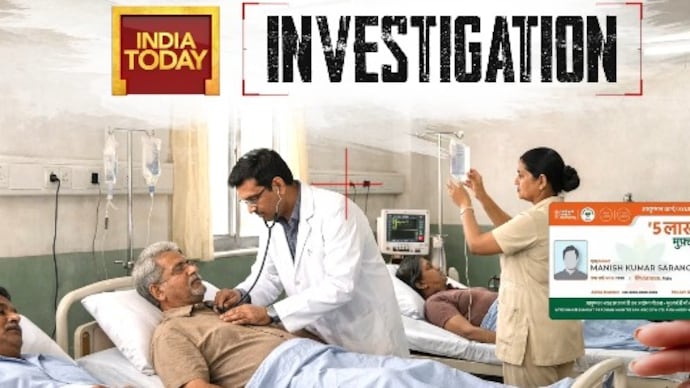
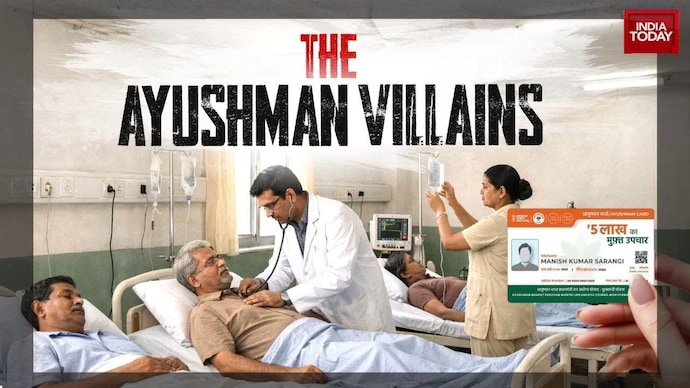
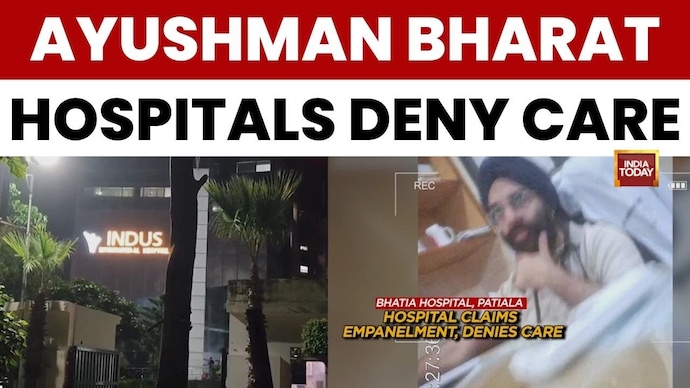
An India Today special investigation, 'Operation Ayushman,' exposed how numerous empanelled private hospitals deny cashless treatment to eligible patients and demanding cash payments across Delhi NCR, Punjab, and Himachal Pradesh.
This special report by India Today investigates the ground reality of the Ayushman Bharat Yojana, India’s largest publicly funded health insurance scheme. The investigation found repeated instances of patients being discouraged, asked to pay out of pocket, or denied treatment despite having valid Ayushman cards. The report covers hospitals across Delhi, the National Capital Region, Chandigarh, Punjab, and Himachal Pradesh. A key finding is: 'The promise of cashless healthcare ceases to exist.' Hospitals cited financial losses, pending government payments, and selective treatment policies as reasons for refusing care. The investigation raises serious questions about enforcement, accountability, and the true beneficiaries of the scheme.
In this Special Report, India Today’s Special Correspondent Nitin Jain conducts a reality check on the Ayushman Bharat Yojana. The investigation reveals that empanelled private hospitals in Punjab, Himachal Pradesh, and Chandigarh are denying cashless treatment to poor patients. Hospitals like Indus International in Mohali and Bhatia Hospital in Patiala were found demanding cash or citing pending government dues to refuse care. Dr. SR Sharma of Navjeevan Nursing Home in Solan admitted to rejecting cards due to unpaid dues of Rs 1 crore. The report exposes the gap between the scheme's promise and the ground reality.
In this investigative report, India Today’s special correspondent Nitin Jain conducts a multi-state reality check on the implementation of the Ayushman Bharat Yojana.
On this Special Report, an India Today expose reveals the 'bitter truth' behind the Ayushman Bharat scheme. An Unidentified speaker highlights that while the government claims 'hefty numbers' of beneficiaries, patients on the ground face significant hurdles. Doctors admit that 'wait time for such patients is generally far too long' and some hospitals refuse admission due to lack of specialties or payment issues. The report also uncovers issues with 'fake cards' and biometric delays.