Topic

Advertisement
TOPIC

Sensex

The Sensex (Stock Exchange Sensitive Index) is the benchmark stock index of the Bombay Stock Exchange (BSE) in India. It represents the 30 largest and most actively traded companies listed on the BSE, spanning diverse sectors such as finance, IT, energy, and consumer goods. These companies are selected based on their market capitalization, liquidity, and sector representation, making the Sensex a key indicator of India's stock market performance.

Established in 1986, the Sensex serves as a barometer of investor sentiment and economic conditions in India. It is calculated using the free-float market capitalization method, which adjusts the weight of a stock based on the proportion of shares available for public trading.

Movements in the Sensex are influenced by factors like corporate earnings, government policies, global market trends, inflation, interest rates, and geopolitical events. A rising Sensex signals investor confidence and economic growth, whereas a decline may indicate market concerns.

...Read More
  • ALL
  • STORIES
  • VIDEOS

STORIES

Load More

VIDEOS

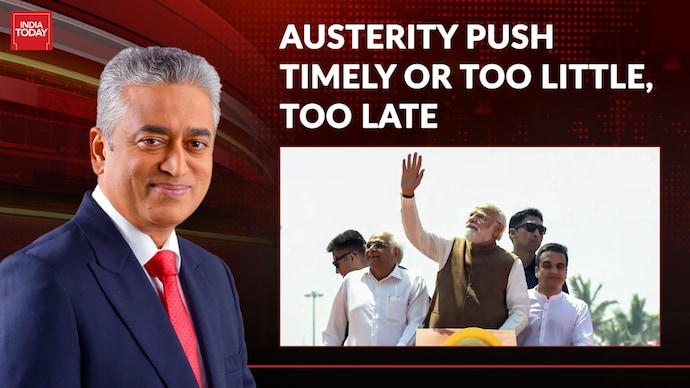
Call for austerity after election campaigning? Experts decode timing of PM's appeal

The Prime Minister has urged citizens to adopt austerity measures, including reducing fuel consumption and limiting gold purchases, as escalating West Asia tensions drive global crude oil prices higher. State-owned oil firms face significant financial losses while the national currency weakens against the dollar. During a televised debate, the ruling party defended these measures as necessary for economic stability, while the opposition criticised the government for placing the burden on citizens. In Tamil Nadu, the AIADMK faces a potential split as thirty rebel lawmakers met the pro-tem speaker ahead of a crucial floor test. Meanwhile, in Telangana, a Union Minister's son has been booked under the POCSO Act for alleged sexual harassment, leading to accusations of delayed investigations. In Kerala, the national leadership has yet to finalise a Chief Minister candidate a week after election victory. Additionally, a film producer addressed censor board delays and a lead actor's political transition. These developments highlight significant political and economic shifts across India, from energy policy to regional leadership transitions.

Amid Hantavirus alert, doctors explain how Andes strain spreads, why it's deadly

The Prime Minister has issued an urgent austerity appeal, advising citizens to reduce fuel consumption, avoid gold purchases, and limit foreign travel due to rising crude oil prices and global economic pressures. This announcement triggered a sharp domestic stock market sell-off and drew criticism from opposition parties. Tensions escalated after a Samajwadi Party Member of Parliament from Uttar Pradesh used objectionable language against the Prime Minister, leading to demands for accountability. Simultaneously, a global health alert was issued following a deadly Hantavirus outbreak on a luxury cruise ship off the coast of Spain. The vessel reported multiple fatalities linked to the Andes strain, with two Indian crew members currently under quarantine. While health agencies have activated emergency containment protocols, medical experts clarify that the virus primarily spreads through rodents and human-to-human transmission remains limited. Meanwhile, diplomatic friction persists as Iran’s Foreign Ministry spokesperson expressed mistrust regarding international negotiation proposals aimed at resolving the ongoing West Asia crisis and threats to the Strait of Hormuz.

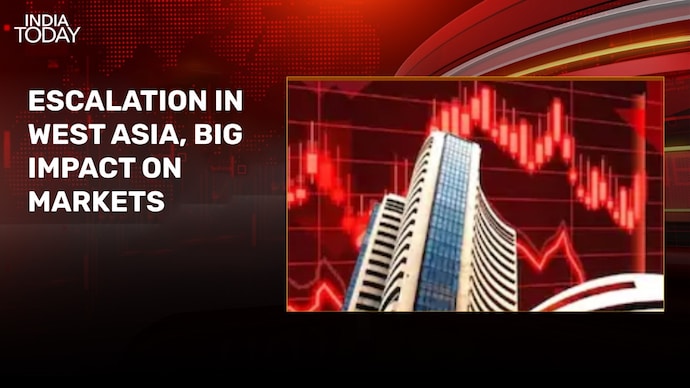
West Asia war wipes out lakhs of crores in investor wealth; Oil at $119

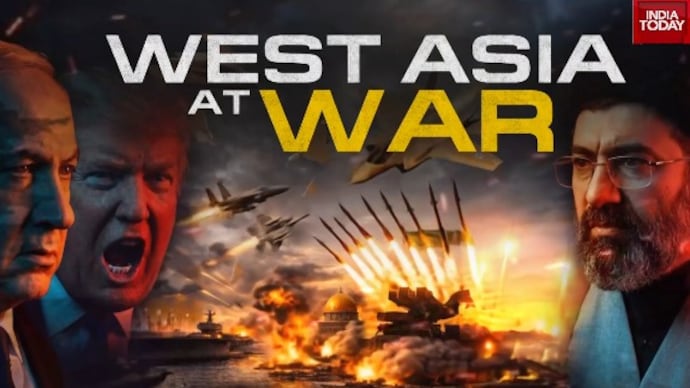
Indian equity markets have experienced a significant downturn as the West Asia conflict enters its tenth day. The Sensex crashed 1,353 points to 77,566, while the Nifty fell 422 points to the 24,000 level, marking a 4.58 percent decline since the hostilities began. This volatility has resulted in the loss of lakhs of crores in investor wealth. Brent crude prices surged to $119.50 per barrel following a 28 percent rally, driven by disruptions in the Strait of Hormuz. External Affairs Minister S. Jaishankar emphasized the region's importance for India's energy security and the safety of 10 million Indian expatriates. Global energy markets report a 26 percent jump in Russian Ural crude as China increases stockpiles. India maintains 74 days of oil reserves, while Japan utilises its 300-day supply. Market uncertainty is further compounded by shadow market activities involving Russian, Venezuelan, and Iranian crude. Additionally, regional tensions have prompted some Dubai residents to relocate following reported drone strikes near Palm Jumeirah.

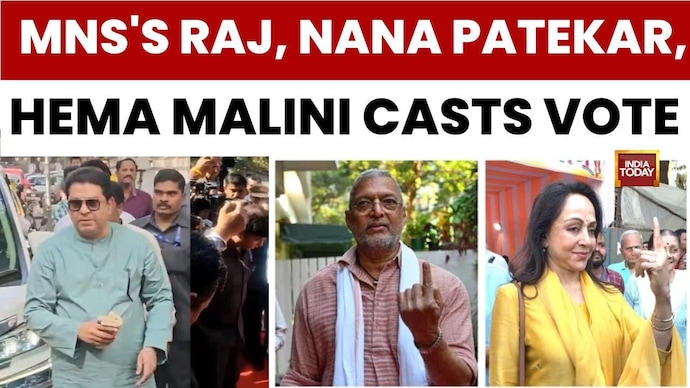
Mumbai BMC Polls: 'India's Richest Civic Body Is Going To Polls Today'

This report covers the ongoing elections for the Brihanmumbai Municipal Corporation (BMC), described as India's richest civic body. An unidentified speaker notes that 'India's richest civic body, which is going to polls today,' highlighting the significance of the election for Mumbai's infrastructure and governance. The transcript details the arrival of political figures at polling stations, including Balmohan Vidya Mandir in Dadar, a stronghold for the local identity movement. Key issues discussed include the consolidation of Marathi votes and the challenges facing the city, such as traffic congestion, pothole-free roads, and water supply. The speaker emphasizes that as the national financial capital, Mumbai deserves better living conditions and improved infrastructure to match its status as a commercial hub hosting major industrial houses and institutions like the RBI.